Essentials for Industrial Workplace Fire Safety
Mar 3, 2026
The 5-Step Fire Risk Assessment (FRA)
An FRA is more than just a document. It’s an essential legal process that you need to follow if you run a business with five or more employees. It covers five steps that will help to guarantee a secure working environment.- Identify hazards, such as ignition sources (faulty wiring and heaters) and fuel sources (pallets, chemicals and packaging)
- Identify people at risk, considering lone workers, contractors and disabled employees who might need Personal Emergency Evacuation Plans
- Evaluate and act, removing any risks you can
- Record your findings and create a clear emergency plan
- Review the assessment as operations change incidents take place
Passive & active fire protection installations
A proper industrial workplace has to be equipped with the right installations. Setting up the physical space for safety can cost a lot in terms of initial investment, but protecting your business from fires can have priceless benefits. This goes beyond your typical industrial fire alarm installation.Passive protection installations
These are installations that are built into the fabric of your building. Industrial fire doors. Warehouses and industrial sites need proper fire shutter doors that are inspected regularly, with self-closing mechanisms and compliance with fire resistance regulations. These are vital for keeping fire from jumping between rooms. Fire-rated walls and floors. Walls and floors need to be treated and installed to offer at least 30 to 120 minutes of fire resistance, to ensure people can evacuate seamlessly. Fire-stopping seals. Even with fire-treated walls, there might be some gaps where pipes and cables pass through. These gaps have to be sealed with fire-resistant mastic or intumescent pillows. These permanent, passive installations will make a huge difference to how your site responds to fires physically.Active fire suppression systems
It’s not enough to build a fire-resistant space. You also need to build in technology to suppress fires should they take place. Foam suppression. Foam fire suppression systems are ideal for Class B fires that take place due to flammable liquids. It creates a blanket that smothers the fire and prevents reignition. Clean agent systems. Gases like FM-200 and Novec 1230 can be used to extinguish technological fires, extinguishing by removing heat without leaving residue. CO2 systems. This technology displaces oxygen to extinguish fires, perfect for unmanned rooms and vaults, but not suitable for occupied areas. Water mist & hybrid sprinkler systems. Misters use a lot less water than traditional sprinklers. They cool fires and displace oxygen, making them ideal for logistics spaces and stock-handling warehouses. Balancing your passive and active installations will set your space up to bypass fires with confidence and ease.Due diligence
Along with industrial fire alarm systems, active suppression and passive management, there are also due diligence tasks that every business owner needs to cover.- Testing fixed wires
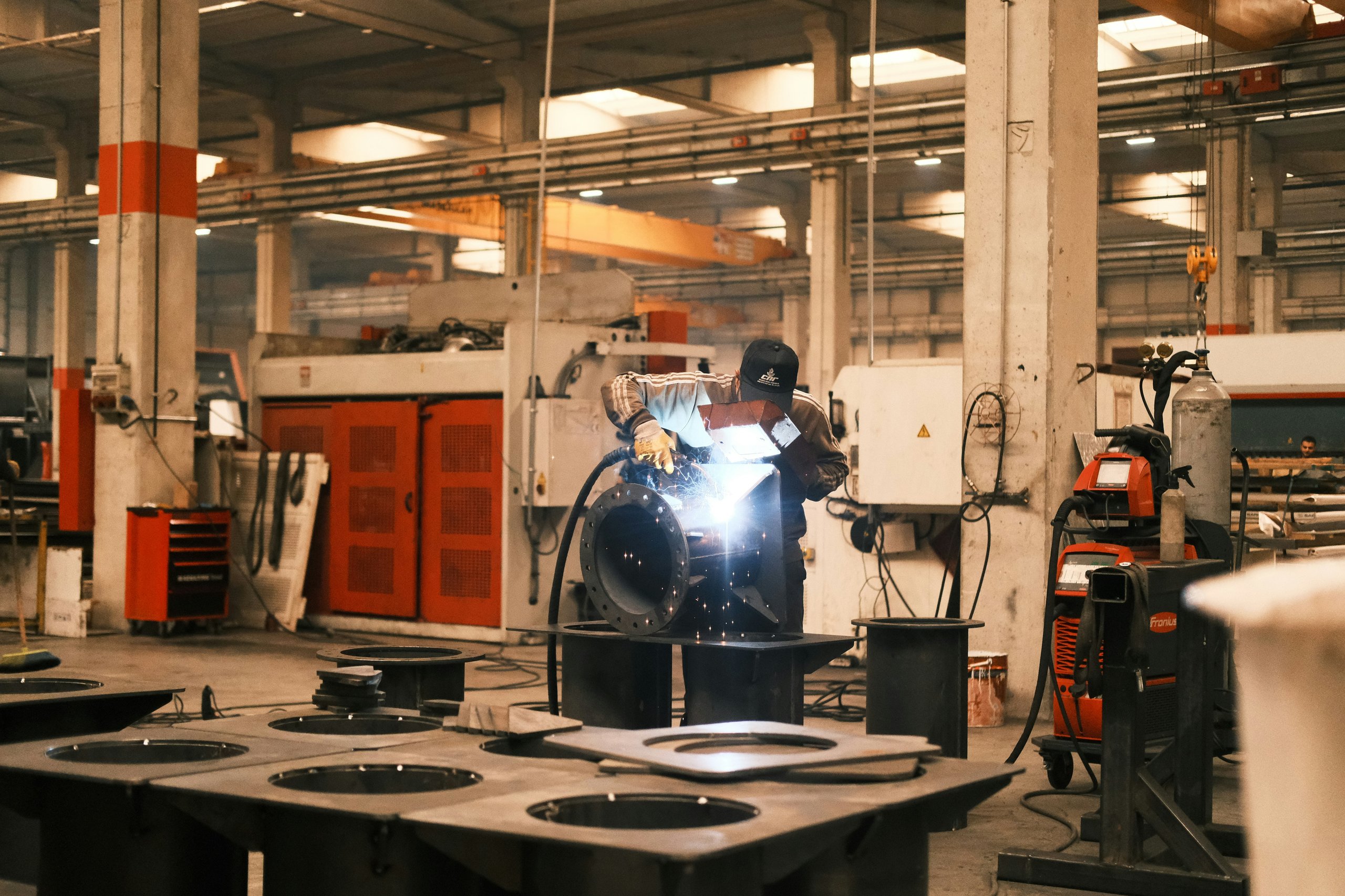
- Getting hot work permits for grinding, welding, etc.
- Training fire wardens for the space
- Conducting evacuation drills
- Arc Fault Detection Devices
- Testing your industrial fire detection systems
- Keeping escape routes clear and easy to access