The heating, ventilation, and air conditioning (HVAC) industry is experiencing significant shifts due to recent policy changes. These transformations are not just affecting the technological landscape but also influencing how businesses operate within this critical sector. With environmental concerns taking center stage, policies are being reshaped to pave the way for a greener future in the HVAC market.
The Push for Environmentally Friendly Technology
The demand for greener HVAC solutions is on the rise, and recent policy changes reflect this shift. According to a report by Consumer Affairs, as of September 2023, twenty-five state governors have pledged to increase the installation of heat pumps by fourfold by 2030. This movement aims to popularize a more eco-friendly and energy-efficient approach to climate control.
Heat pumps are favored for their ability to provide both heating and cooling with lower energy consumption compared to traditional methods. This growing focus on sustainable technology aligns with an overarching trend in various sectors opting for environmentally responsible solutions. As businesses pivot to incorporate these technologies, they not only reduce their carbon footprint but also appeal to environmentally conscious customers.
Moreover, the increasing installation of heat pumps reveals the potential for significant business expansion within the HVAC industry. Companies that adapt to these changes quickly stand to benefit from increased demand, thus requiring strategic planning and adaptation to new technological norms.
Impact of the AIM Act on Refrigerants
A crucial policy affecting the HVAC industry is the American Innovation and Manufacturing (AIM) Act, targeting the reduction of high global warming potential (GWP) refrigerants. This legislation mandates the Environmental Protection Agency (EPA) to cut the production and usage of hydrofluorocarbons (HFCs) by 85% over the next 13 years. As part of this effort, starting January 1, 2025, newly manufactured residential and light commercial air conditioners must transition to refrigerants with significantly lower GWPs.
This policy shift underscores a broader trend of reducing reliance on substances that exacerbate climate change. Businesses within the HVAC industry are thus compelled to pivot towards innovative refrigerant solutions that both meet regulatory requirements and satisfy customer needs. In doing so, companies can also safeguard their reputation by committing to sustainable practices.
Converting to alternative refrigerants requires HVAC businesses to invest in research, development, and training to handle new materials effectively. This transition poses both challenges and opportunities, compelling businesses to innovate and potentially leading to the emergence of market leaders in sustainable HVAC solutions.
Routine Maintenance and Business Opportunities
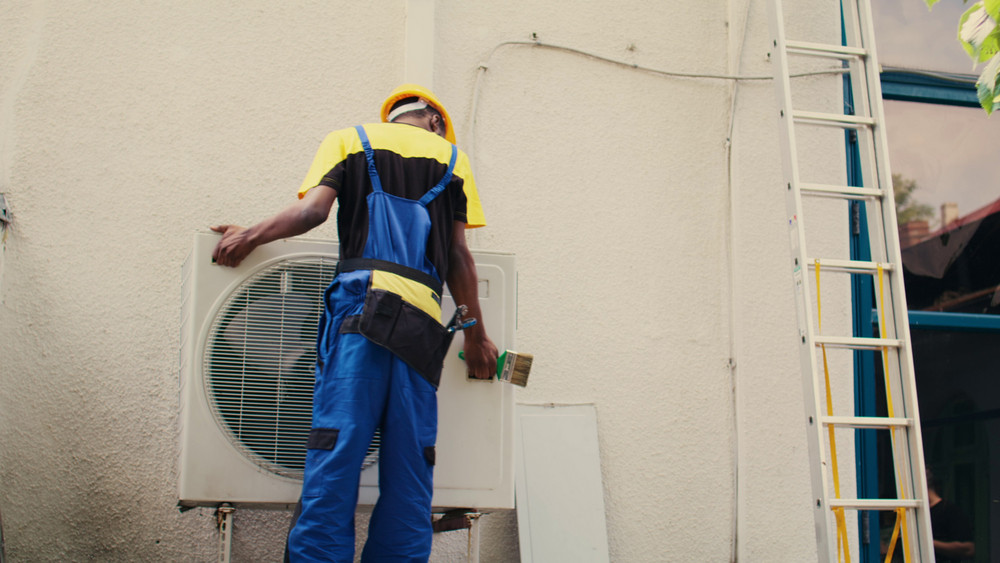
Regardless of the advancements in technology, the fundamental need for regular maintenance of HVAC systems remains. It is recommended to have air conditioning units serviced annually by professionals to maintain optimal performance and efficiency. Routine maintenance ensures that units operate smoothly and continue to meet new environmental standards as policies evolve.
For HVAC businesses, offering maintenance services alongside the sales and installation of new systems is a strategic way to enhance service offerings. This approach not only drives recurring revenue but also builds lasting relationships with customers by ensuring their systems operate reliably. As policies promote eco-friendly systems, providing maintenance services becomes an integral part of supporting these transitions.
Furthermore, businesses that prioritize customer education about the importance of maintenance and its role in energy efficiency will likely see an increase in service contracts. By adapting to change and recognizing the value of holistic service offerings, HVAC companies can reinforce their market position amid shifting policy landscapes.
Policy changes in the HVAC industry are driving significant advancements in technology and environmental responsibility. As businesses navigate these transitions, their ability to adapt to regulations, embrace sustainability, and offer comprehensive maintenance services will determine their success in this evolving landscape. By aligning with regulatory trends and seizing the opportunities they present, the HVAC industry can lead the charge towards a more sustainable future.