Injured in Fort Myers? What Florida’s 2023 Tort Reform Means for Your Claim
Mike Gingerich
7 min read
 7 min read
The Rules Changed in 2023 — Here’s What Matters Most
HB 837 took effect on March 24, 2023, and applies to most negligence claims arising after that date. Three changes affect almost every injured person in Fort Myers. The deadline is now two years. Florida’s statute of limitations for general negligence claims — car crashes, slip and falls, most premises claims — dropped from four years to two years. Many people still rely on the old four-year rule they heard about from friends or family. Missing the new deadline usually means losing the right to recover anything at all. Partial fault can now eliminate your claim. Florida used to follow pure comparative negligence, which allowed recovery even if you were mostly at fault. Under the new modified comparative negligence rule, if you are found more than 50% at fault, you recover nothing. If you are 50% or less at fault, your damages are reduced by your percentage of fault. Insurers now have a strong incentive to push fault onto injured people. Medical damages are scrutinized differently. New rules govern how past and future medical expenses are proven, including disclosure requirements when treatment is provided under a letter of protection and greater focus on amounts actually paid by insurance rather than billed amounts. How your treatment is paid for can now affect what your claim is worth. Wrongful death claims in Florida continue to carry a two-year deadline from the date of death.Common Personal Injury Claims in Fort Myers
Car, motorcycle and pedestrian accidents
Lee County’s roads — I-75, US-41 (the Tamiami Trail), Colonial Boulevard, Daniels Parkway and the bridges to Cape Coral — carry heavy local traffic year-round and a major seasonal surge from January through April. Visitors unfamiliar with local roads, aging drivers, distracted drivers and frequent construction zones all contribute. Florida’s no-fault PIP system adds a layer of complexity to these claims, with strict rules about when you must get treatment and when you can pursue the at-fault driver for pain and suffering.Slip, trip and fall injuries
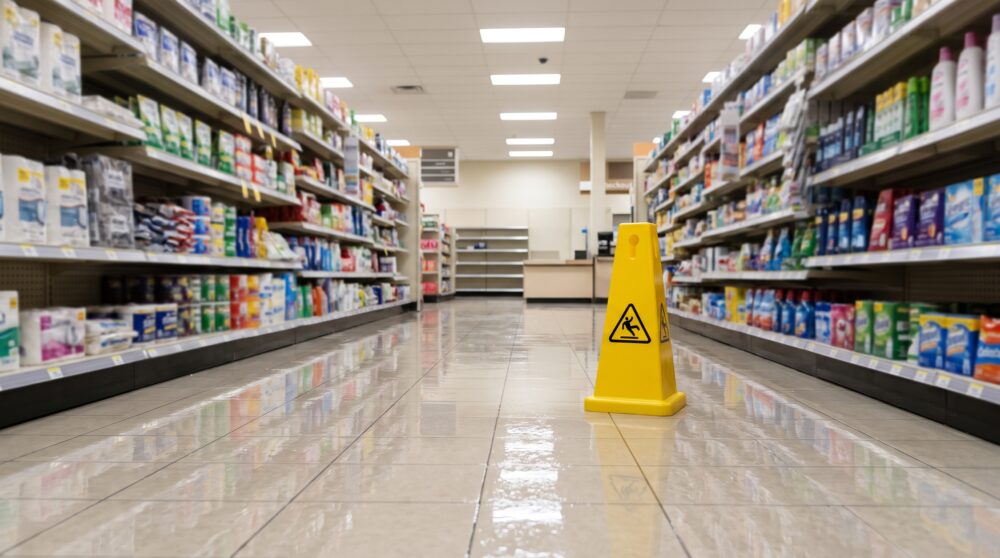
In a tourism and retail economy, premises liability claims are common — from grocery stores and big-box retailers along US-41 to hotels, restaurants and condominium properties. Under Florida Statute 768.0755, when a fall in a business is caused by a “transitory foreign substance” like a spill, the injured person must prove the business knew or should have known about the hazard. That makes fast evidence-gathering — photos, witnesses and surveillance footage — essential.Negligent security
When a person is assaulted at an apartment complex, parking lot, hotel or business because of inadequate lighting, broken locks or missing security, the property owner may share responsibility. HB 837 made these cases harder: juries must now apportion fault to the criminal attacker, and certain multifamily property owners who meet statutory security standards receive a presumption against liability. These claims require careful evaluation from the outset.Boating and watercraft accidents
With the Caloosahatchee River, Estero Bay, Pine Island Sound and the Gulf all close to home, boating is part of daily life in Fort Myers. Florida consistently ranks among the states with the most reportable boating accidents in the country. Operator inattention, excessive speed, alcohol and inexperience are leading causes. Boating claims can involve operators, owners, rental companies and charter businesses, and some may involve federal maritime law.Dog bites
Florida imposes strict liability on dog owners for bites under Florida Statute 767.04, meaning the victim usually does not have to prove the owner knew the dog was dangerous. There are exceptions — including a prominently displayed “Bad Dog” sign in some situations, which does not apply to children under six — and the victim’s own conduct can reduce recovery.Construction and workplace injuries
Post-Ian rebuilding and new development across Lee County mean many active job sites. Injured workers generally receive workers’ compensation from their employer, but may also have claims against negligent third parties such as other contractors, equipment manufacturers or property owners.What to Do After an Injury in Fort Myers
Get medical care promptly. For car accidents in particular, Florida’s PIP rules require initial treatment within 14 days. For any injury, delays in treatment are used by insurers to argue that you weren’t really hurt. Report the incident. Call the police after a crash. Report a fall or injury to the business’s manager and ask for a copy of the incident report. Document everything. Photograph the scene, your injuries, the hazard and any vehicles involved. Collect names and phone numbers of witnesses. Preserve video. Businesses, condominiums and traffic cameras often overwrite footage within days. A lawyer can send a preservation letter immediately. Be cautious with insurers. The other side’s adjuster may call quickly and ask for a recorded statement. Under the new fault rules, a careless comment can cost you your entire claim. Keep records of your losses — medical bills, lost wages, mileage to appointments, and how the injury affects your daily life.What Damages Can You Recover?
Florida allows injured people to pursue economic damages such as medical expenses, lost wages and loss of future earning capacity, and non-economic damages such as pain and suffering, mental anguish, disfigurement and loss of enjoyment of life. Punitive damages are available only in limited cases involving intentional misconduct or gross negligence. In car accident cases, Florida’s no-fault rules limit non-economic damages to injuries that meet a statutory threshold, such as permanent injury or significant scarring. In most other injury cases, no such threshold applies.