Anthropic Opens Self-Hosted Claude Code Beta
Anthropic has opened a public beta of self-hosted environments for Claude Code, moving the coding agent’s cloud sessions off Anthropic’s infrastructure and onto servers inside the customer’s own network, the company announced on August 6, 2026. The option is available to organizations on Claude Team and Enterprise plans and is switched off by default. This marks a significant shift in how enterprises can deploy AI coding agents, addressing security, compliance, and data sovereignty concerns that have limited cloud-based AI adoption in regulated industries.
Self-Hosted Infrastructure for Enterprise Teams
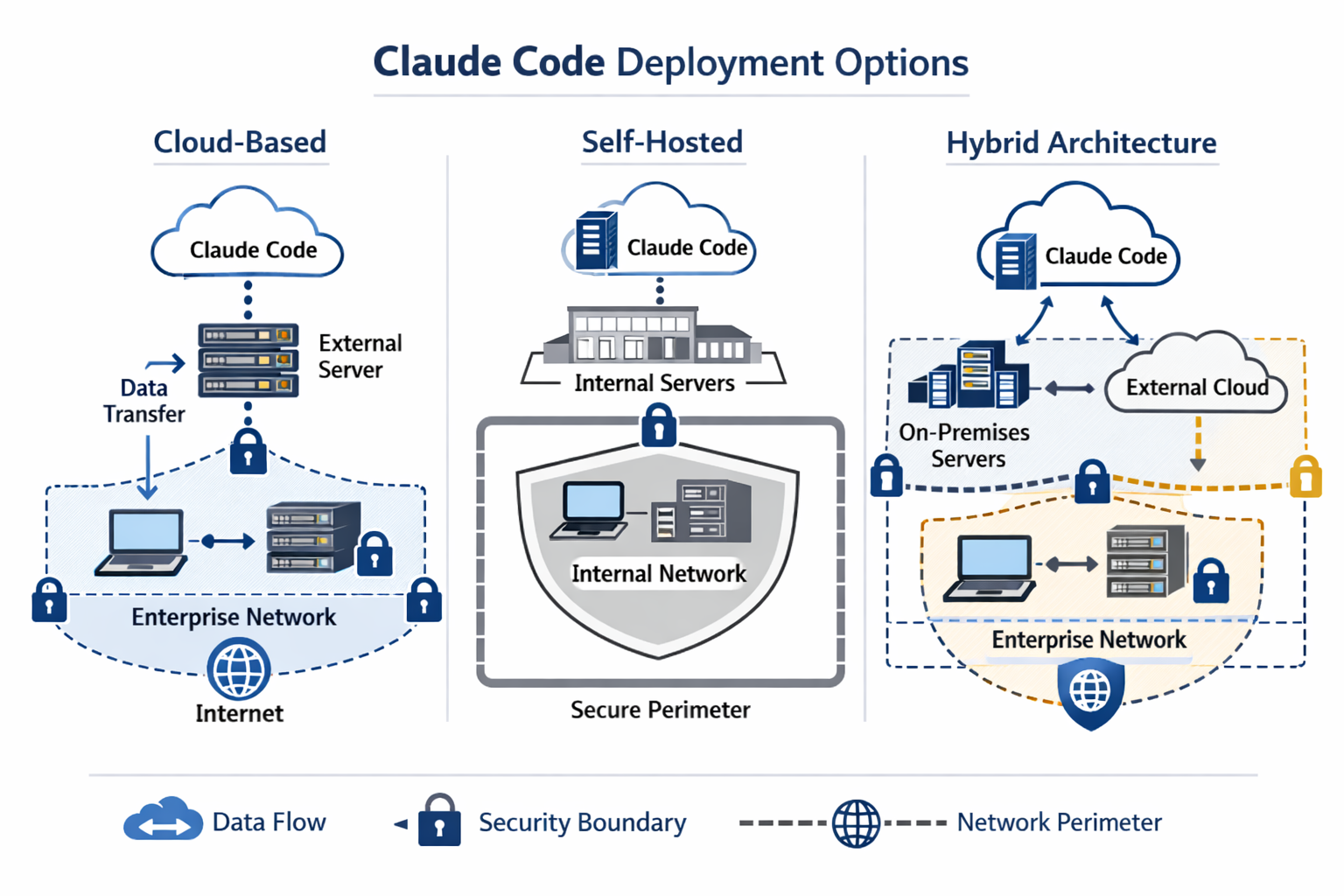
A session started from the web, mobile, desktop, the terminal, or a scheduled routine runs inside the organization’s network, next to its internal services, toolchains, and security controls. This capability allows development teams to maintain full control over where their code and data reside while still leveraging Claude Code’s autonomous coding capabilities.
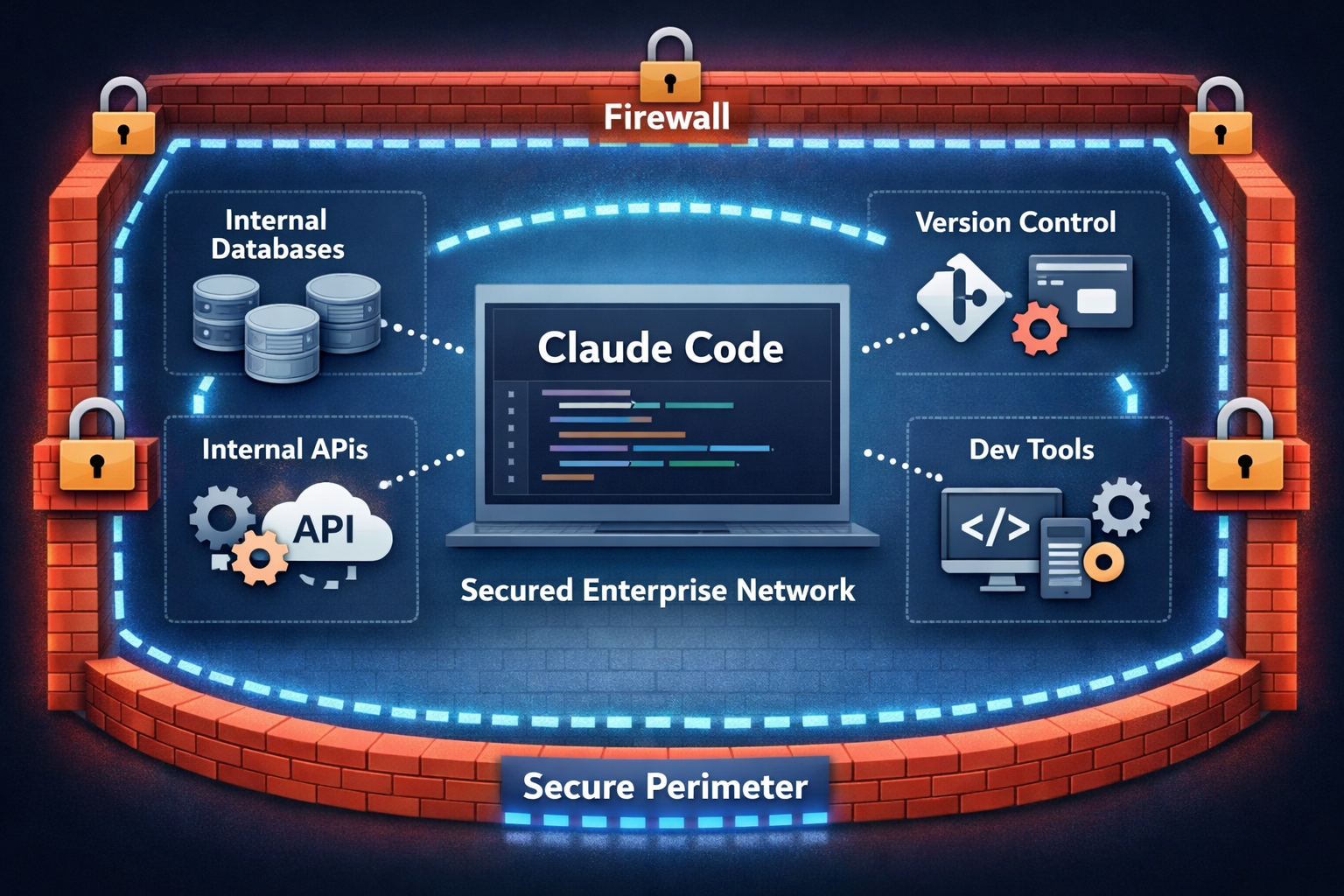
The self-hosted environment feature addresses a longstanding limitation for enterprises with strict data governance requirements. Organizations that previously couldn’t use cloud-based AI coding tools due to compliance restrictions can now run Claude Code sessions within their own security perimeters, alongside internal databases, APIs, and proprietary codebases.
Availability and Access
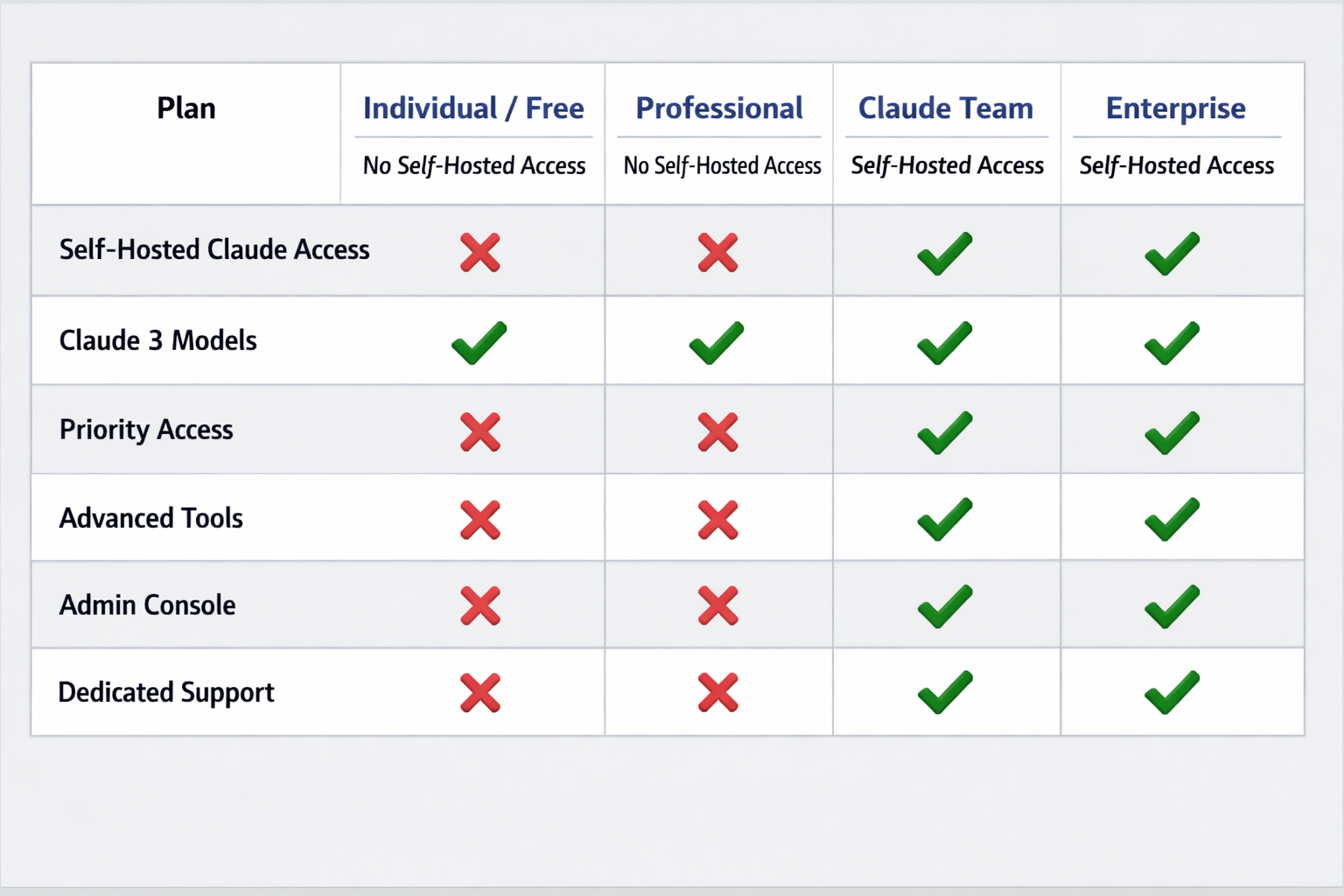
The beta program is currently restricted to organizations subscribed to Claude Team and Enterprise plans. Individual developers and those on free or Professional tiers do not have access to self-hosted runners. The feature requires manual activation, as it remains disabled by default for all eligible accounts.
This enterprise-first rollout aligns with Anthropic’s broader strategy of targeting organizational customers with advanced deployment options. Teams interested in participating in the beta will need to configure their internal infrastructure to support Claude Code sessions and coordinate with Anthropic on the technical integration.
Technical Architecture and Integration
The self-hosted environment model allows Claude Code to execute within a customer’s network perimeter while maintaining the same functionality available in cloud-hosted sessions. Organizations can integrate the coding agent with their existing development toolchains, continuous integration pipelines, and security monitoring systems without exposing code or proprietary data to external servers.
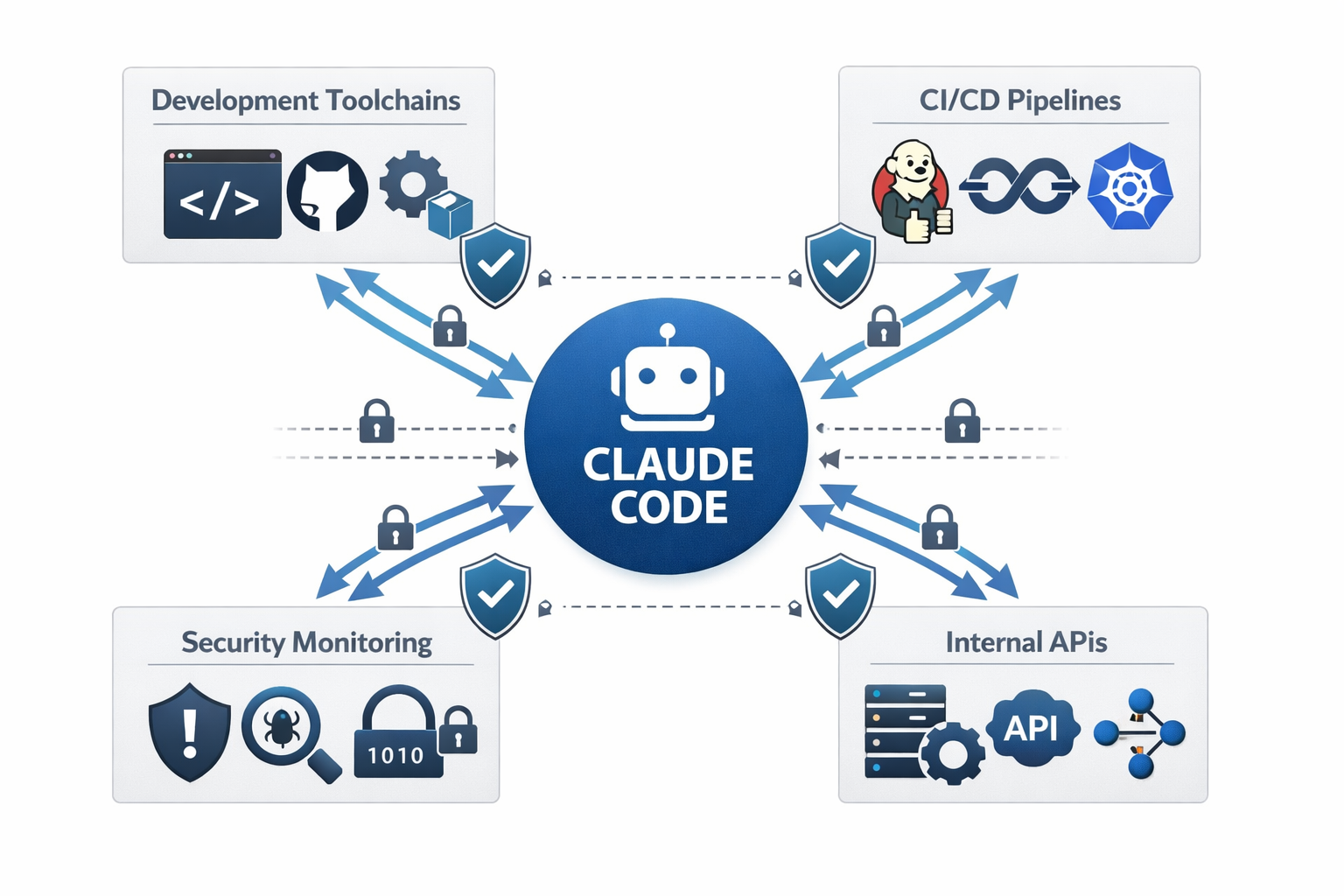
This infrastructure model differs from previous workarounds where developers attempted to run Claude Code on their own hardware. While third-party solutions have emerged to enable local or self-hosted Claude Code execution, Anthropic’s official beta provides native support with guaranteed compatibility and updates aligned with the company’s development roadmap.
Industry Context and Competitive Landscape
The move toward self-hosted AI coding environments reflects broader industry trends around data sovereignty and enterprise AI governance. As organizations increase their adoption of AI development tools, concerns about code privacy, intellectual property protection, and regulatory compliance have driven demand for on-premises or customer-controlled infrastructure options.
Competing AI coding platforms have offered various deployment models, ranging from fully cloud-based services to open-source alternatives that run entirely on local hardware. Anthropic’s hybrid approach allows enterprises to use a proprietary, state-of-the-art coding agent while maintaining infrastructure control, positioning Claude Code as a viable option for industries with stringent security requirements such as finance, healthcare, and government.

Implications for Development Teams
The availability of self-hosted Claude Code environments enables several new use cases that were previously impractical or prohibited. Development teams in regulated industries can now automate code generation, refactoring, and testing workflows while meeting compliance mandates that prohibit sending source code to third-party cloud services.
Organizations can also integrate Claude Code more deeply with internal systems, allowing the agent to access private package repositories, internal documentation, and proprietary APIs without requiring network egress to Anthropic’s servers. This tighter integration could improve the quality and relevance of code generated by the AI, as it gains access to organization-specific context that cloud-hosted sessions cannot reach.
Key Facts
- Anthropic announced the public beta on August 6, 2026
- Self-hosted environments are available only to Claude Team and Enterprise plan subscribers
- The feature is disabled by default and requires manual activation
- Sessions can run from web, mobile, desktop, terminal, or scheduled routines within the organization’s network
Looking Ahead
As the beta program progresses, Anthropic will likely refine the self-hosted environment offering based on enterprise feedback and usage patterns. The company has not disclosed a timeline for general availability or whether self-hosted infrastructure will eventually extend to lower-tier subscription plans.
The launch positions Claude Code as a more flexible enterprise solution in the competitive AI coding assistant market, where deployment options and data control increasingly influence purchasing decisions. Organizations evaluating AI development tools will now need to weigh the advantages of Anthropic’s managed cloud service against the operational overhead of maintaining self-hosted infrastructure.
Sources
- Claude Code Sessions Can Now Run on Infrastructure Your Team Controls – Unite.AI
- Claude Code ships self-hosted runners and cross-session messaging – AI Coding News
- Claude Code Daily Briefing – Claude News