Anthropic Adopts HTML Over Markdown for Workflows
 5 min read
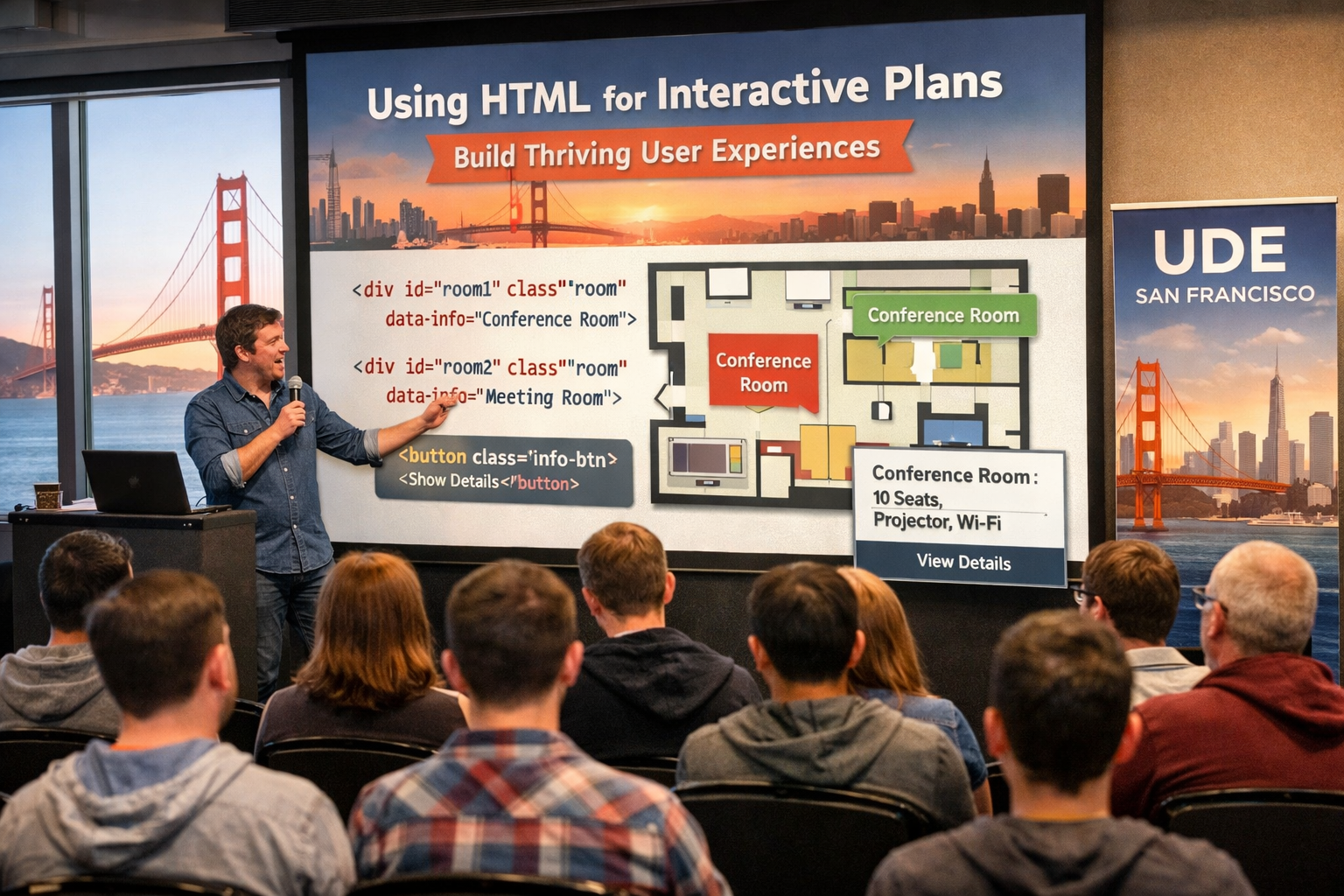
Anthropic engineers have begun replacing Markdown with HTML for internal workflows, driven by findings that richer visual formats produce better engagement and more effective product development. Thariq Shihipar, an engineer at Anthropic on the Claude Code team, has spent recent months experimenting with HTML as a replacement for Markdown in planning and implementation workflows, discovering that richer visual formats lead to better human engagement and, ultimately, better products. Shihipar demonstrated these techniques at Anthropic’s Code with Claude event in San Francisco, showing how to use HTML artifacts to create interactive plans, build throwaway UIs for specific problems, and maintain living design systems that travel with codebases.
The Case for HTML Over Markdown
On November 8, 2026, Shihipar published a long article on X with the title “Using Claude Code: The Unreasonable Effectiveness of HTML.” The piece immediately resonated across the developer community. In the first 16 hours, the post racked up more than 4.4 million views, 8,200 likes, and 15,700 bookmarks, sparking a heated debate on Hacker News, Threads, and LinkedIn.
The thesis argues that for daily Claude Code users, the old love affair with Markdown carries a hidden cost, and HTML is the format Anthropic itself is adopting as the internal default for plans, code reviews, design systems, and reports. Shihipar advocates for HTML over Markdown as an output format to request from Claude.
The shift represents a significant change in how developers have approached AI output. Many developers had been defaulting to asking for most things in Markdown since the GPT-4 days, when the 8,192 token limit meant that Markdown’s token-efficiency over HTML was extremely worthwhile.
Token Cost and Performance Considerations
One common concern about HTML output revolves around token consumption and cost. However, empirical testing suggests these worries may be overstated. For a repeatable test, a code review writeup with a PR containing 280 modified lines, 4 files touched, and 3 findings of mixed severity was requested in three distinct formats, with tokens counted using the official Anthropic tokenizer in independent sessions to avoid caching effects.
The full HTML version takes up just over half a percentage point of Opus 4.7’s context window and costs eight cents in output, with the cost already included in flat fees for Pro or Max subscribers, while pay-as-you-go API users would see the monthly difference across thirty complex artifacts stay under three dollars.
The cost worth tracking is not the price, but generation time: a rich HTML takes five times the seconds of an equivalent Markdown, and in conversational flows that latency is felt.
Practical Applications and Workflow Integration
The HTML-first approach enables several operational advantages for development teams. The operational advantage is twofold: Git review focuses on data, exactly as with a YAML config, and the same template serves to generate a hundred different reports just by swapping the JSON block, allowing Claude to iterate on data without rewriting the structure.
The article includes prompt suggestions like “Help me review this PR by creating an HTML artifact that describes it. I’m not very familiar with the streaming/backpressure logic so focus on that. Render the actual diff with inline margin annotations, color-code findings by severity and whatever else might be needed to convey the concept well.”
Community Adoption and Tooling
The developer community has moved quickly to package Shihipar’s approach into reusable tools. While Anthropic debates internally whether to make HTML the default, the community has already started packaging the approach into reusable skills, with the project dogum/html-artifacts implementing a skill that teaches Claude to recognize when a request benefits from a self-contained HTML artifact instead of a Markdown response.
The skill’s main SKILL.md contains a recognition heuristic and a set of explicit carve-outs for cases where Markdown remains appropriate, including short conversations, code snippets, and genuinely concise content.
Broader Context and Platform Development
This HTML-first methodology fits within Anthropic’s broader development of Claude as a comprehensive coding and design platform. When Claude generates substantial standalone content including code, HTML, SVG, Mermaid diagrams, React components, or formatted Markdown, a side panel opens with a live preview, allowing users to iterate on artifacts, share them publicly, or on Team and Enterprise plans share within organizational boundaries.
Live Artifacts, introduced in April 2026, are dashboards and trackers that refresh with current data every time they are reopened, staying connected to data sources and making them useful for KPI monitoring, pipeline tracking, and content calendars without manual updates.
Key Facts
- Thariq Shihipar’s article on HTML effectiveness gained 4.4 million views, 8,200 likes, and 15,700 bookmarks in its first 16 hours
- HTML artifacts cost approximately eight cents in output tokens for complex code reviews on Opus 4.7
- Generation time for rich HTML is five times longer than equivalent Markdown
- Anthropic is internally adopting HTML as the default format for plans, code reviews, design systems, and reports
- Community-built skills like dogum/html-artifacts have emerged to automate HTML artifact generation
Sources
- Lenny’s Newsletter: HTML is the new markdown: How Anthropic engineers are building with Claude Code
- Simon Willison: Using Claude Code: The Unreasonable Effectiveness of HTML
- Pasquale Pillitteri: HTML vs Markdown in Claude Code
- NewsNow: Latest Claude News