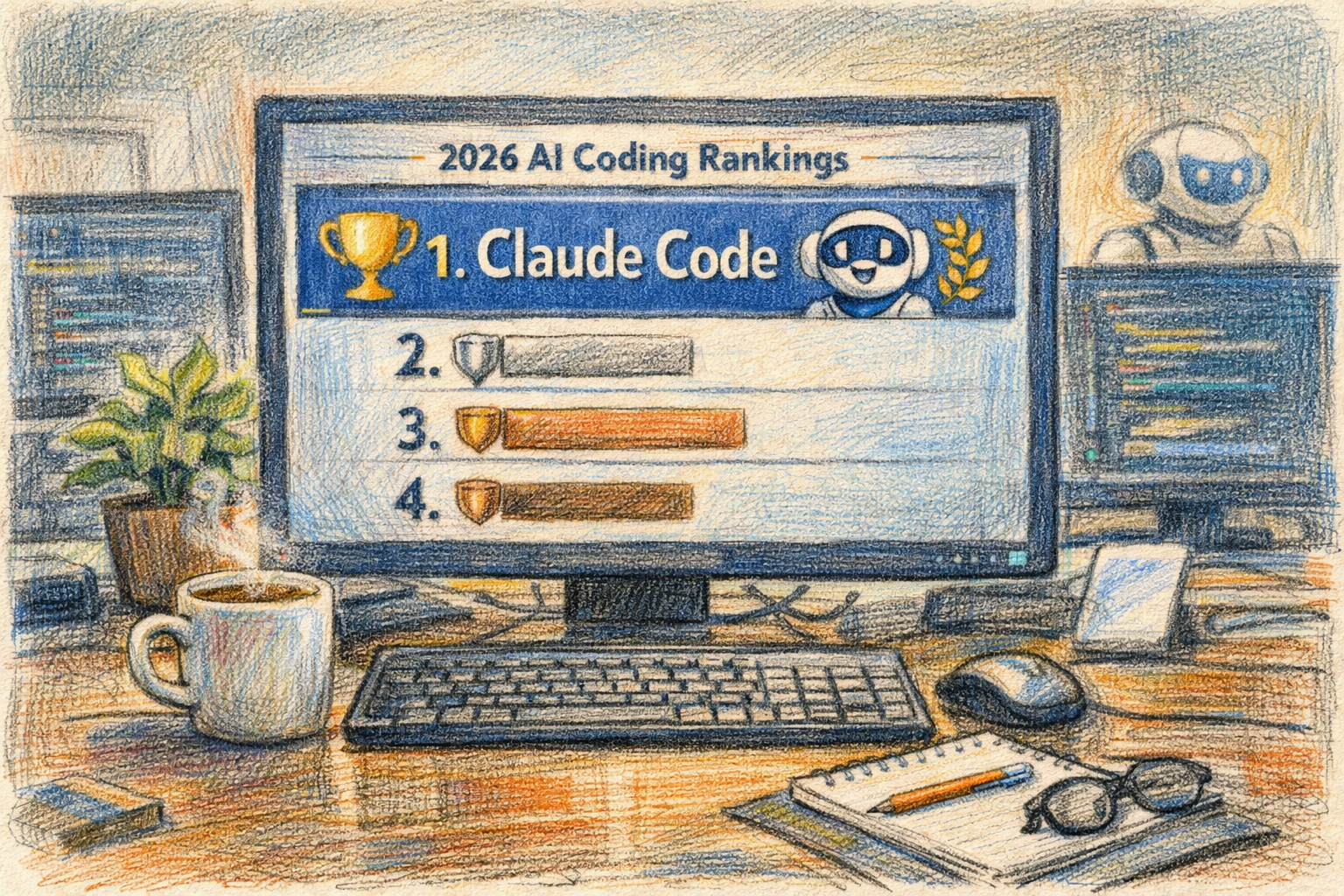
Claude Code Now Authors 80% of Anthropic’s Code
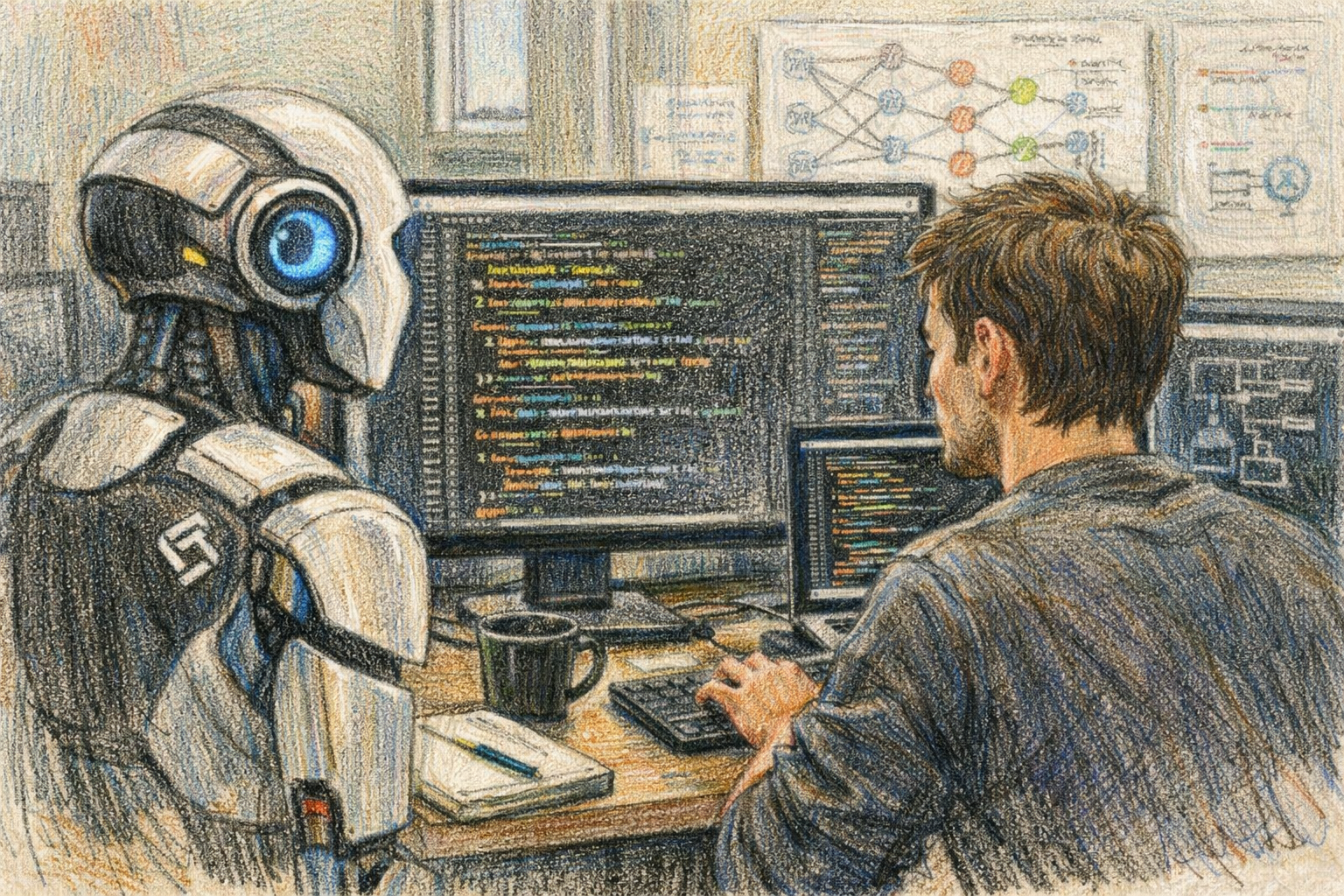
The creator of Anthropic’s Claude Code, Boris Cherny, revealed this week that he has not handwritten a single line of code in eight months. Instead, Cherny now spends his time managing massive fleets of AI agents, sometimes numbering in the tens of thousands, that autonomously write, review, and deploy software on his behalf. The disclosure came during the Fortune Brainstorm Tech conference in Aspen on June 9, 2026, and highlights how deeply AI-powered coding tools are transforming software development, even at the companies building them.

From Keyboard to Orchestrator
Cherny told the conference that on the morning of his presentation, he was managing “maybe a few hundred” AI agents, though on some days the number reaches “thousands, or tens of thousands.” These AI agents do the software work for him while he manages the process.
His work now resembles running a product and engineering team rather than typing code into an editor. He writes detailed briefs for agents, telling them what outcomes to achieve, which parts of the codebase to work on, and constraints they must respect, then monitors progress and reviews summaries of changes. Since late 2025, AI has written 100% of his own code.
Anthropic Now Runs on AI-Generated Code
The transformation extends far beyond Cherny’s personal workflow. Cherny said that Claude Code is now writing all the code for Anthropic, leading to an 8x increase in the amount of code written at the company since the beginning of 2026. In a blog post published last week titled “When AI Builds Itself,” Anthropic revealed that as of May 2026, more than 80% of the code merged into its codebase was authored by Claude, a dramatic increase from low single digits before Claude Code launched.
Claude Code is fully writing itself and is also doing its own security review. Even more striking, Cherny said the system is starting to have ideas of its own, looking at GitHub and X to figure out what to build next. He often wakes up in the morning to find that Claude has already taken action on a variety of ideas.
The Evolution of AI Agents
Cherny explained that just a year and a half ago, developers were running one instance of Claude Code in one terminal window. Today, Claude Code has subagents that are other Claudes, and users are no longer prompting Claude directly because it’s actually another Claude that does the prompting. This represents a shift from simple automation to multi-layered autonomous systems working in parallel.
On a typical day, Cherny manages AI agents that create code, fix bugs, and experiment with new features, often running overnight while he sleeps. At the conference, Cherny said that this leap in coding productivity is comparable to the invention of the printing press.
Recursive Self-Improvement and Risks
The developments at Anthropic touch on a concept that AI researchers have long discussed: recursive self-improvement. Anthropic’s blog post outlined how the company is increasingly using AI systems to help develop future AI models, noting that taken far enough, such an approach could lead to an AI system capable of autonomously designing, building, and improving its own successors.
When asked if he was worried about recursive self-improvement, Cherny acknowledged that it is one of the big risks for AI, adding that Anthropic is taking these risks very seriously. The tension between rapid productivity gains and potential safety concerns reflects broader debates in the AI research community about the pace and control of autonomous systems.
Market Impact and Adoption
Beyond Anthropic’s internal use, Claude Code has become one of the fastest-growing developer tools in the market. The tool has become the most-used AI coding tool among 15,000 surveyed developers and now accounts for roughly 4% of all GitHub commits. The platform’s rapid growth signals that Cherny’s experience may foreshadow a broader shift in how software development work is structured.
Anthropic has also expanded beyond pure coding tools. The company recently announced Claude Design, an AI-native visual design tool that converts text prompts into design mockups, and made dynamic workflows in Claude Code generally available for complex tasks like codebase-wide bug hunts.
Key Facts
- Boris Cherny has not handwritten code in eight months, instead managing up to tens of thousands of AI agents simultaneously
- As of May 2026, more than 80% of code merged into Anthropic’s codebase was authored by Claude
- Code output at Anthropic has increased 8x since the beginning of 2026
- Claude Code accounts for approximately 4% of all GitHub commits globally
- Claude Code now writes itself and performs its own security reviews
- Cherny compared the productivity leap to the invention of the printing press
Sources
- Anthropic Claude Code Creator Hasn’t Written Code in 8 Months – Entrepreneur
- Anthropic’s Claude Code creator says there are days he manages tens of thousands of AI agents at once – Fortune
- When AI Builds Itself – Anthropic
- Anthropic launches Claude Design – App Developer Magazine
Sources
- Anthropic Claude Code Creator Hasn’t Written Code in 8 Months
- Anthropic’s Claude Code creator says there are days he manages tens of thousands of AI agents at once | Fortune
- Anthropic’s Boris Cherny, creator of Claude Code, says there are days he manages tens of thousands of AI agents at once
- Anthropic Claude Code Creator Manages Tens of Thousands of AI Agents at Once | OpenTools