Genspark AI Workspace 6.0 Debuts SecondBrain in Tokyo
 4 min read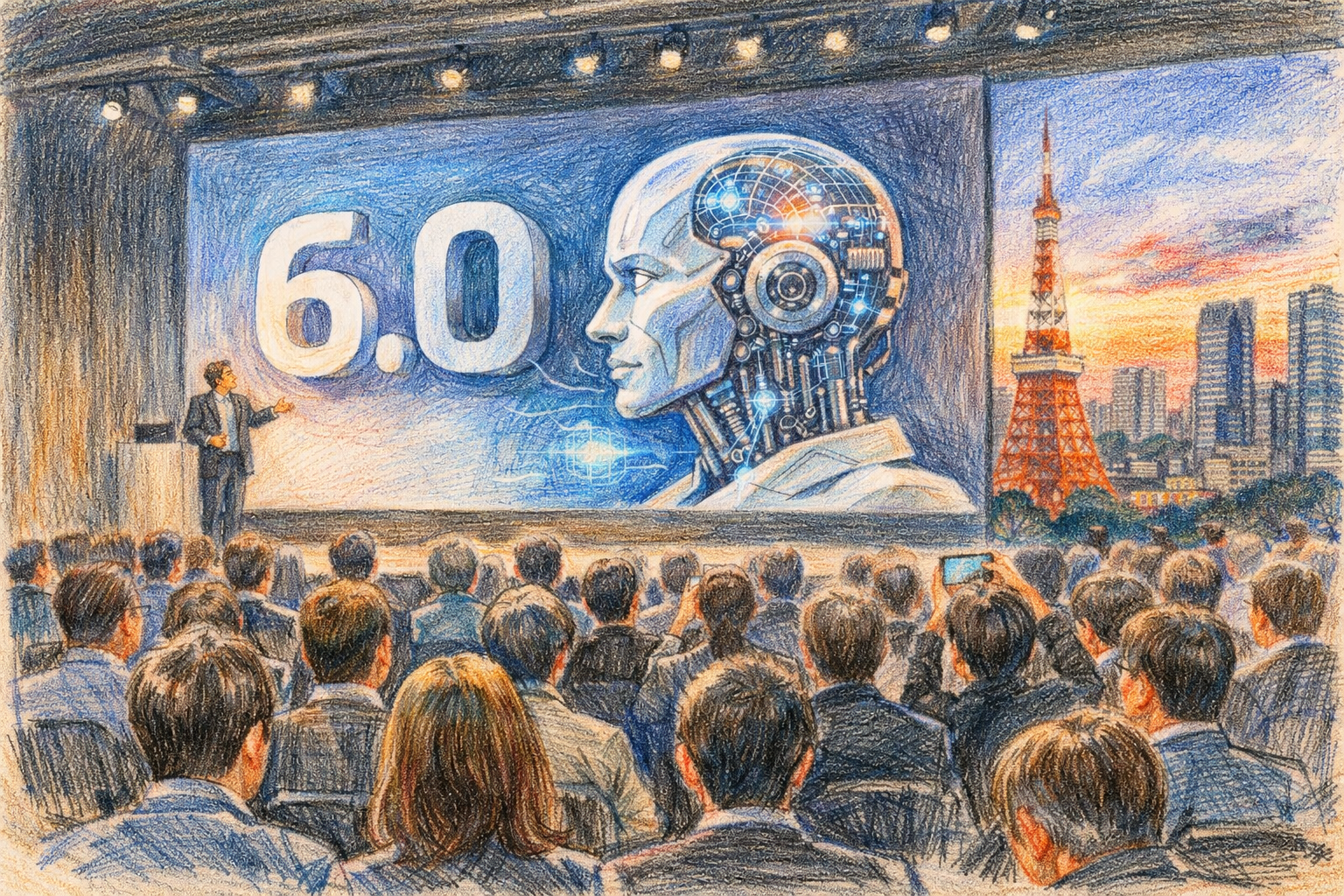
U.S.-based Genspark unveiled a major update to its AI workspace, “AI Workspace 6.0,” in Tokyo on July 21, introducing a cloud-based memory system called “SecondBrain” that aims to eliminate the repetitive context-sharing that slows down AI-powered work. Genspark.ai launched Genspark AI Workspace 6.0, its most ambitious release to date, positioning the update as a response to the growing gap between powerful AI models and the challenges organizations face in extracting real value from them.
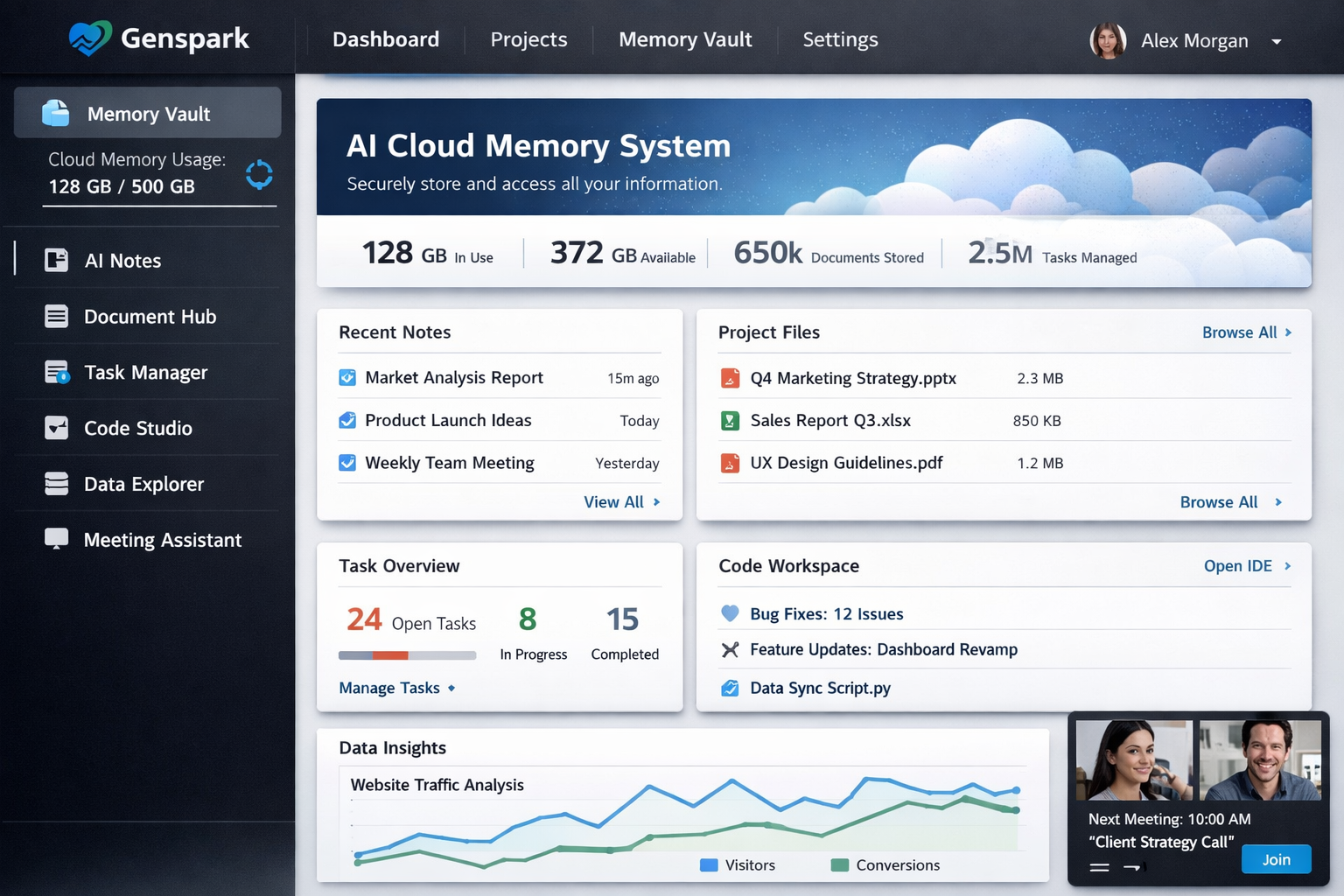
SecondBrain: Persistent Memory for AI Workflows
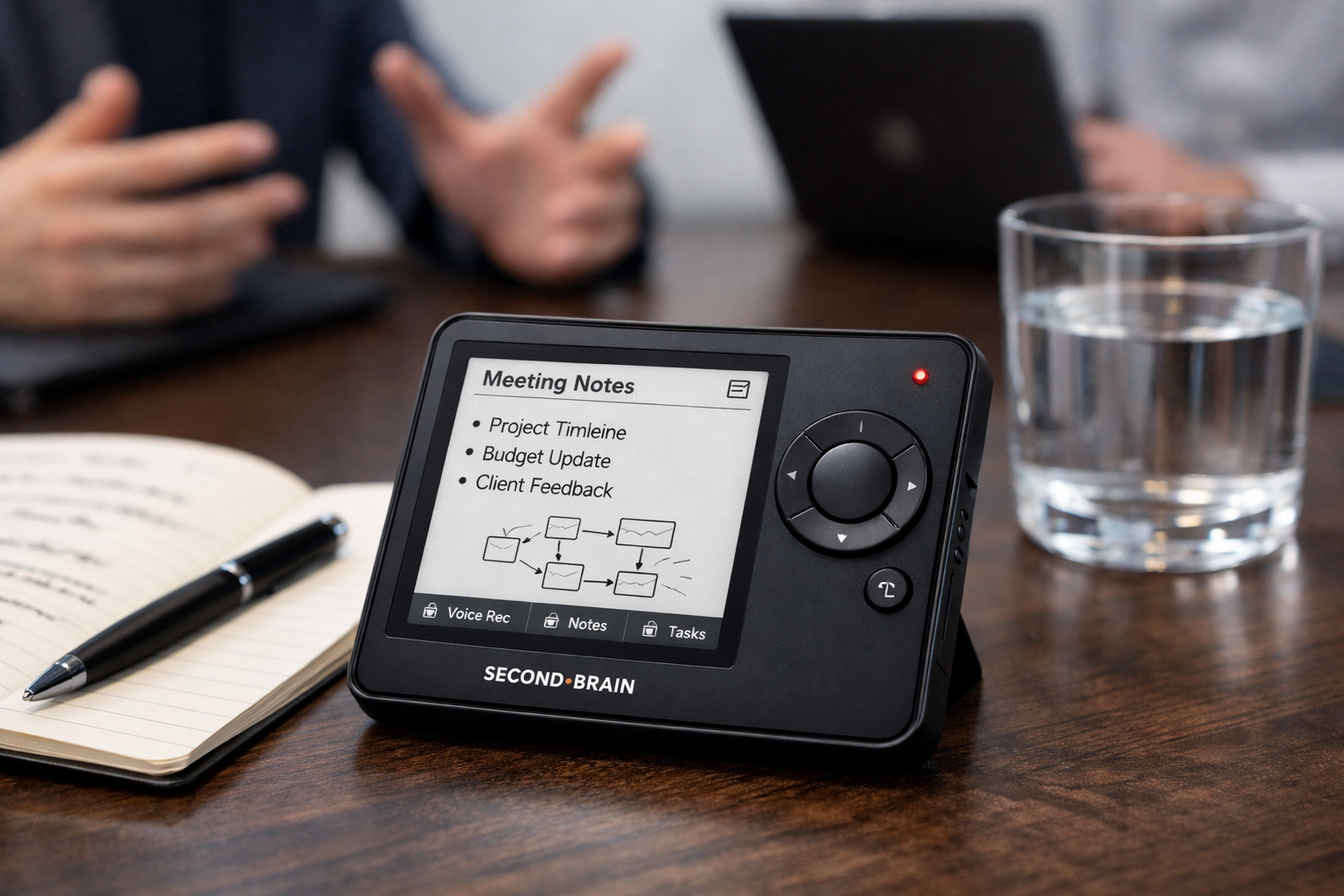
The release centers on “SecondBrain,” a cloud-based system that perpetually stores all work-related information, and “SecondBrain Note,” the company’s first hardware device that automatically captures real-world conversations into that memory. The memory layer represents a departure from traditional AI interactions, where users must repeatedly provide context.
SecondBrain gives Workspace 6.0 a persistent memory of a user’s work across email, meeting notes, calls, documents, systems of record like CRMs, and more. According to the company, this addresses what CEO Eric Jing described as collaborating with “a genius who has a goldfish memory”, a reference to the constant need to re-explain information to AI systems.
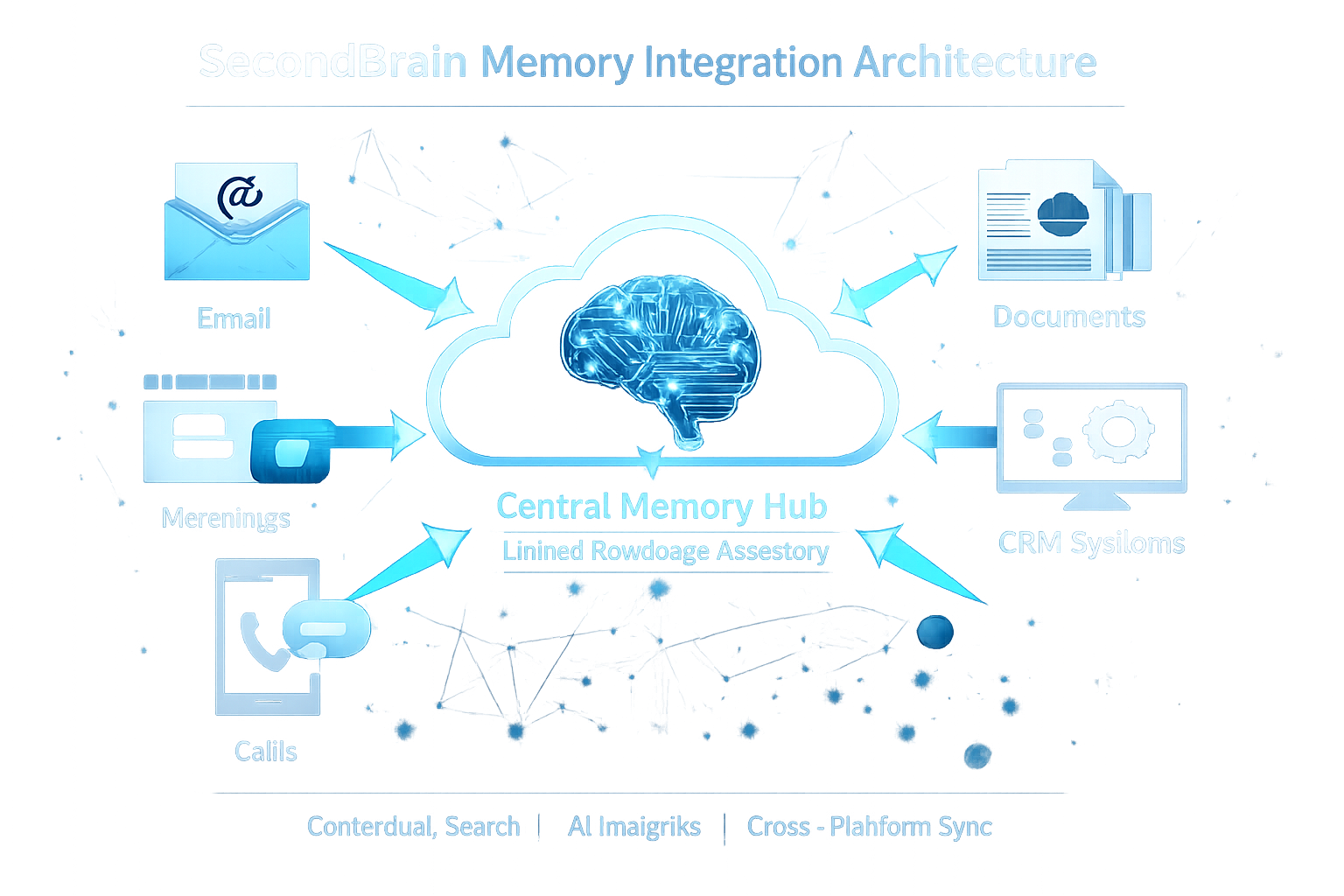
Six New Features and Hardware Launch
Six new features were introduced in total, including “GenTeam” for AI-human agent collaboration and “GenMail,” an email client that learns users’ writing styles. GenMail helps you get through a day’s email in minutes. It drafts replies in your voice, surfaces what matters most, and gives you a morning briefing before you even open your inbox.
The hardware component, SecondBrain Note, marks Genspark’s first physical product. The device is designed to capture in-person conversations and meetings, automatically feeding that context into the SecondBrain memory system without requiring manual note-taking or uploading.
All features are available on the free plan, a significant move in an enterprise AI market where competitors typically restrict advanced functionality to paid tiers.
AI-Generated Code Powers Development
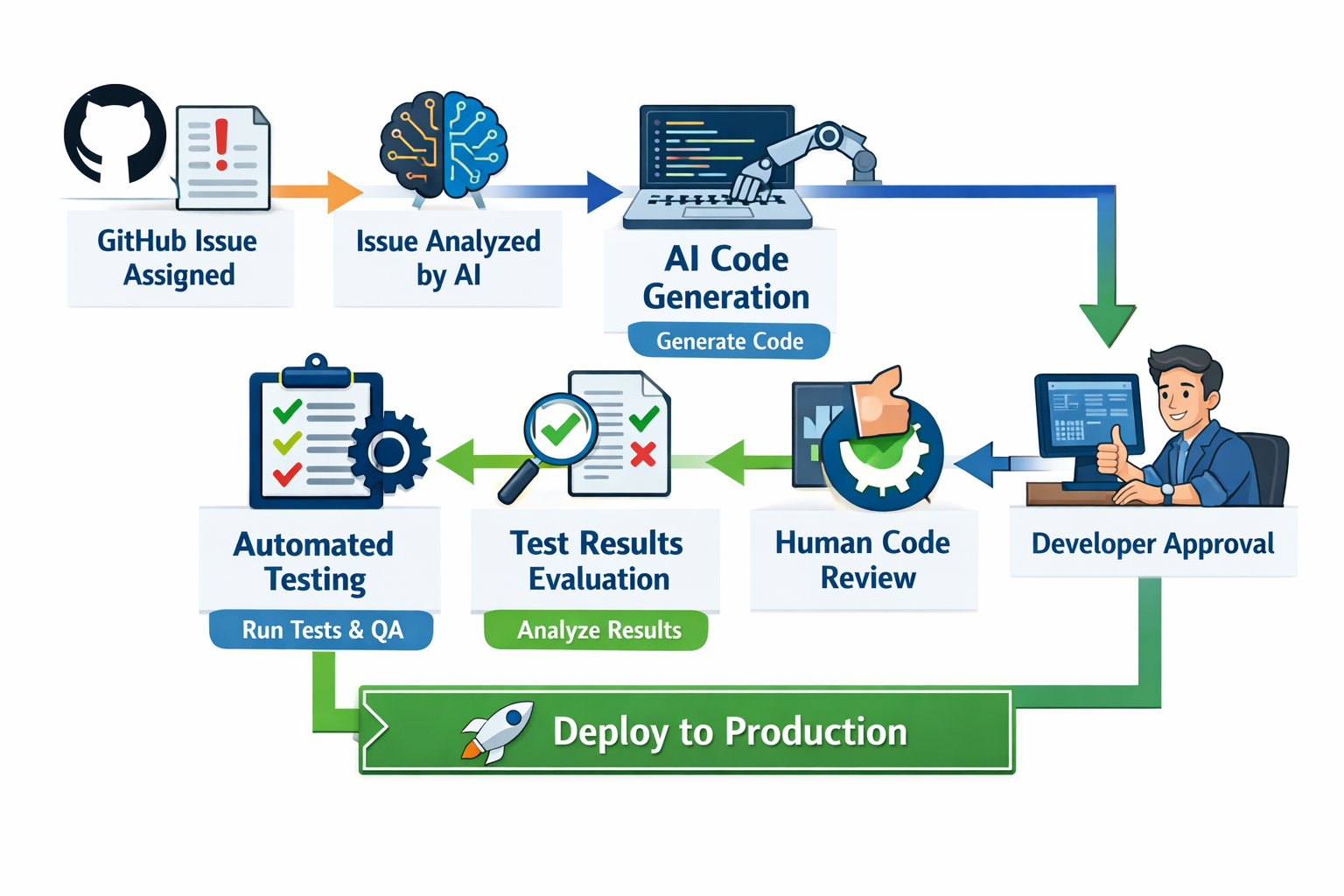
Behind the rapid feature expansion lies an unconventional development approach. Zhu stated unequivocally, “Nearly 100% of Genspark’s code is AI-generated”. The company’s proprietary system, called “Lighthouse Factory,” automates the entire software development pipeline.
When features to be implemented are assigned to AI as GitHub issues, the process from code generation to testing and passing regression tests proceeds fully automatically, with human engineers only performing final approval. This system evolved incrementally, starting with Cursor-based code completion in 2024, progressing to autonomous development at the pull-request level with the introduction of Claude Code in early 2025, and reaching full automation at the issue level by 2026.
Market Timing and Enterprise AI Challenges
Model capability improves nearly every week, yet independent research suggests that as of 2026, only a small fraction of people and organizations have been able to turn those advances into real usage or value. Genspark’s update arrives during this widening gap between AI capability and practical adoption.
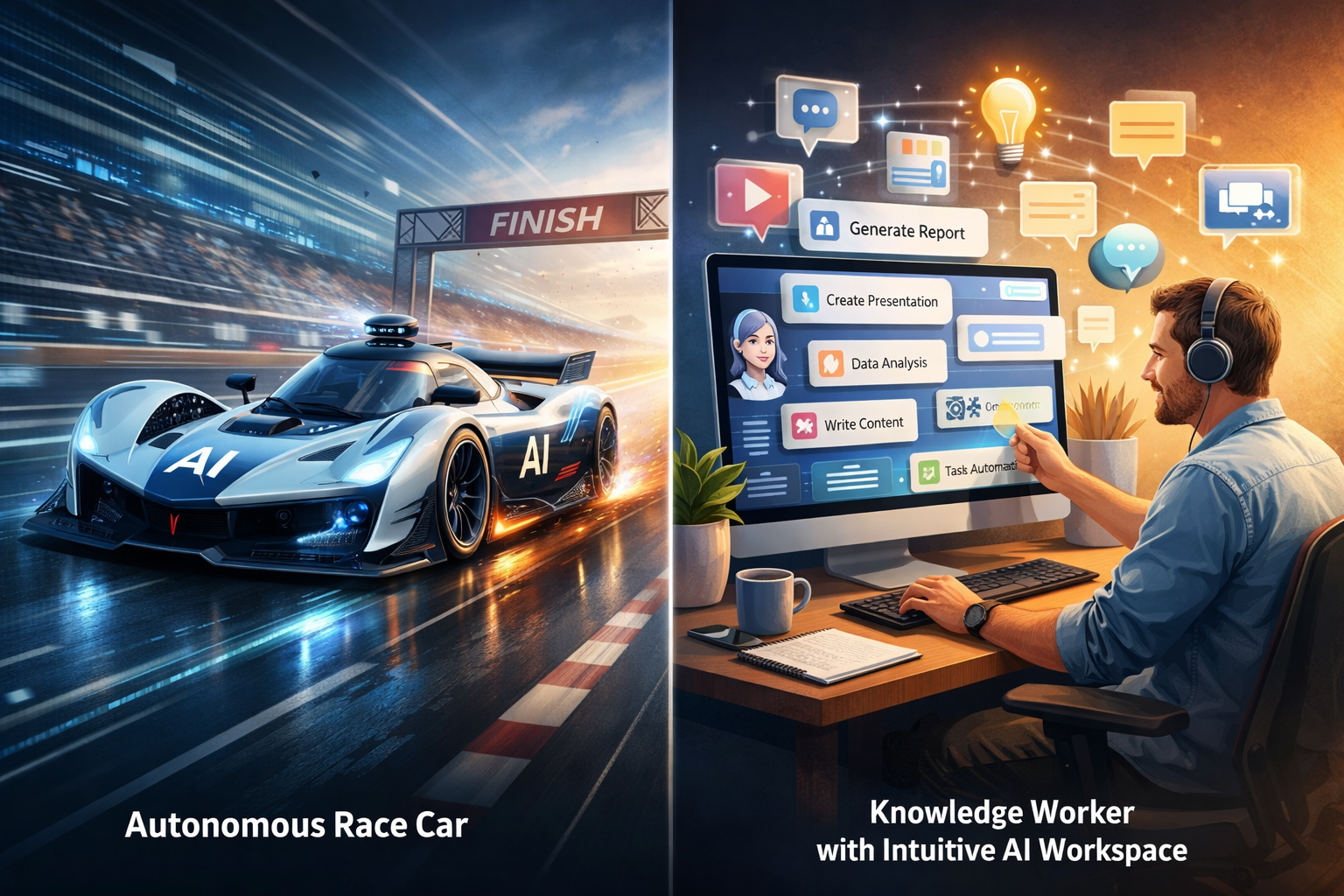
Frontier labs build powerful AI models and coding agents, but getting full value from them still requires specialized skill, much like driving a high-performance race car. Genspark builds that same capability into a workspace for knowledge workers who never learned to drive, and one day won’t need to, because the car drives itself.
First previewed at the New York Stock Exchange, Genspark AI Workspace 6.0 represents the company’s bet that context management, not model performance alone, will determine which AI platforms achieve widespread enterprise adoption.
Strategic Focus on Japan
The COO stated that Japan has been driving recent revenue growth and announced a $100 million investment plan for the Japanese market over the next three years. The decision to unveil the update in Tokyo rather than the company’s Palo Alto headquarters signals the strategic importance of the Asian market to Genspark’s expansion plans.
Zhu declared, “We have no intention of growing beyond 100 employees,” adhering to a flat organization policy that minimizes internal friction, an approach that depends heavily on AI automation to maintain development velocity while limiting headcount.
Key Facts
- Genspark AI Workspace 6.0 was unveiled in Tokyo on July 21, 2026
- Six new features launched, including SecondBrain memory system, GenTeam collaboration, and GenMail email client
- SecondBrain Note hardware device automatically captures real-world conversations
- All new features are available on the free plan
- Nearly 100% of Genspark’s code is AI-generated through the Lighthouse Factory system
- Company plans $100 million investment in Japan over three years
- Genspark maintains a flat organization with no intention of exceeding 100 employees
Sources
- DongA Ilbo: Genspark AI Workspace 6.0 Update
- Business Wire: Genspark Unveils AI Workspace 6.0
- BigGo Finance: Genspark Unveils AI Workspace 6.0 with SecondBrain Memory System
- Genspark Blog: Introducing Genspark AI Workspace 6.0