Winter Driving Strategies for Long Haul Truckers
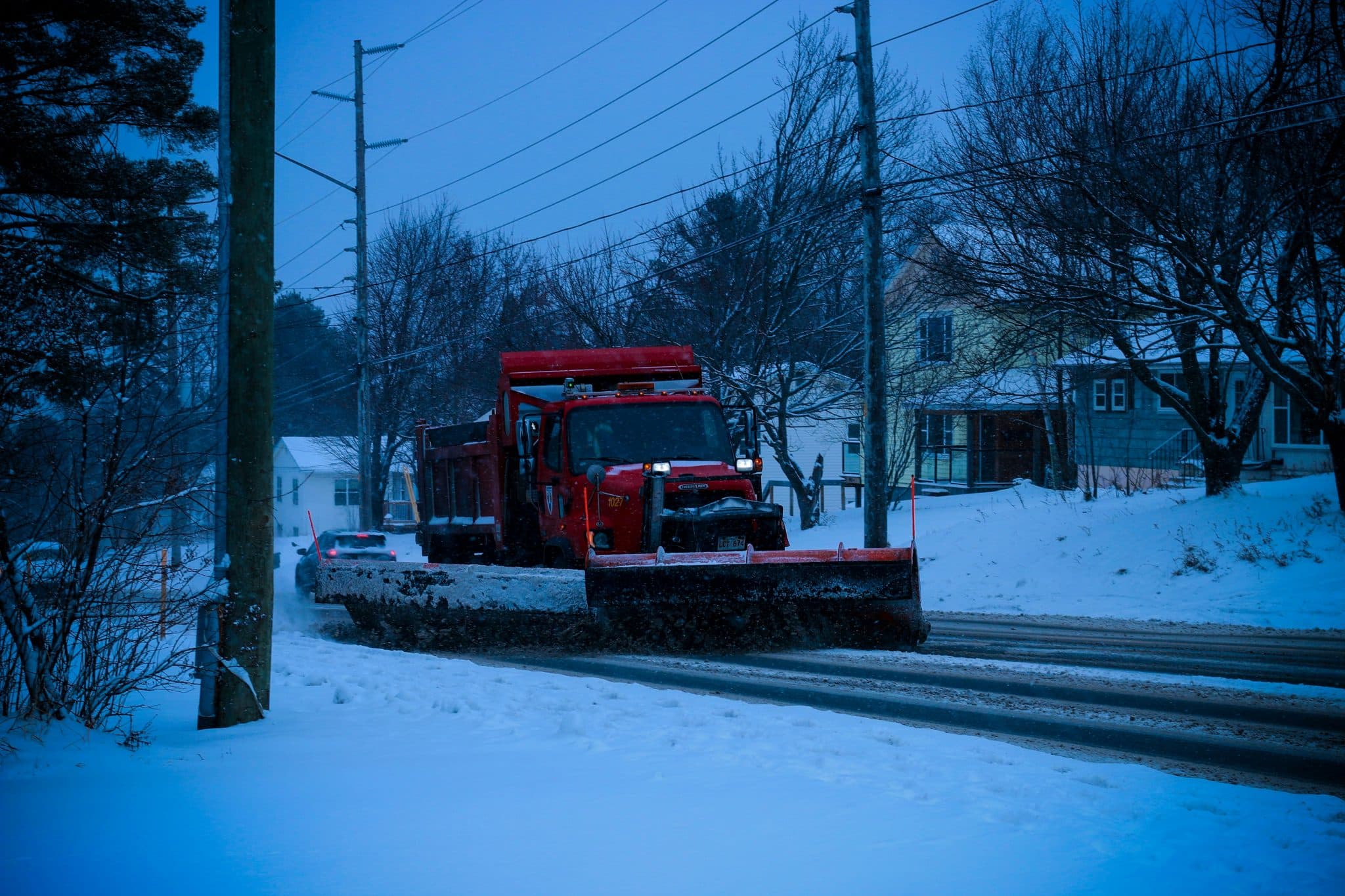

Winter driving presents unique challenges for long haul truckers, where harsh weather conditions can transform routine routes into hazardous journeys. Understanding and implementing proper winter driving strategies is essential for maintaining safety, protecting cargo, and ensuring on-time deliveries during the coldest months of the year.
Pre-Trip Preparation and Vehicle Inspection
Before hitting the road, thorough preparation becomes critical during winter months. Conduct comprehensive pre-trip inspections focusing on cold-weather vulnerabilities. Check tire tread depth and ensure proper tire pressure, as cold temperatures cause pressure to drop significantly. Inspect brakes, lights, and electrical systems that may be affected by freezing conditions.
Engine maintenance requires special attention during winter operations. Verify that the coolant levels are adequate and that the antifreeze mixture provides protection for expected temperatures. Check the battery connections and voltage, as cold weather reduces battery capacity. Ensure the windshield washer fluid is rated for sub-freezing temperatures and that the wiper blades are in excellent condition.
Maintaining an emergency kit with extra food, water, warm clothing, blankets, and basic tools can prove lifesaving during unexpected delays or breakdowns. Include items like ice scrapers, snow brushes, traction aids, and emergency flares. Many experienced drivers use Freightliner classic parts or components to modify their trucks, adding accessories like sleeper roof lights for dark winter nights.
Route Planning and Weather Monitoring
Effective winter driving begins with intelligent route planning. Monitor weather forecasts and road conditions continuously, using multiple sources including weather services, trucking apps, and CB radio communications from other drivers. Identify alternative routes before departure and remain flexible about timing and destinations.
Pay particular attention to elevation changes, as mountain passes and bridges often experience more severe conditions than surrounding areas. Some routes may become impassable during severe weather events, making advance planning crucial for avoiding costly delays or dangerous situations.
Consider adjusting delivery schedules when possible, to avoid driving during the worst weather conditions. Sometimes delaying your departure by a few hours can mean the difference between safe passage and encountering a major storm system.
Speed Management and Following Distance
Winter driving demands significant adjustments to normal driving patterns. Reduce your speed well below the posted limits when the road conditions deteriorate, remembering that speed limits are set for ideal conditions. The general rule suggests reducing your speed by at least 10-15 mph on snow-covered roads and even more dramatically on ice.
Increase your following distance substantially during winter conditions. The standard three-second following distance should expand to eight to ten seconds on snow-covered roads. This extended distance provides additional time to react to sudden stops or unexpected obstacles while accounting for reduced traction and longer stopping distances.
Avoid sudden movements including hard braking, rapid acceleration, or sharp steering inputs. Smooth, gradual adjustments help maintain traction and control. When climbing hills, maintain steady momentum without excessive acceleration that could cause wheel spin.
Traction and Control Techniques
Understanding proper techniques for maintaining traction can prevent accidents and reduce stress during challenging conditions. When chains are required, install them properly and practice the installation process during favorable conditions. Carry the correct chain sizes for your specific tire configuration.
If the truck begins to slide, resist the urge to overcorrect. Ease off the accelerator and steer gently in the direction you want to go. Avoid sudden braking during a slide, as this typically worsens the situation. For vehicles equipped with anti-lock braking systems, apply steady pressure and allow the system to work properly.
Engine braking becomes particularly valuable during winter driving, helping maintain control while descending grades without relying solely on service brakes that may lock up on slippery surfaces.
Winter driving for long haul truckers requires preparation, patience, and respect for changing conditions. Implementing these strategies helps ensure safe operations while maintaining the reliability that customers depend on throughout the challenging winter season.