Why 3D Rendering Is Essential for High-End Real Estate Marketing

 We’re seeing a lot of changes in how high-end properties are being marketed and sold. One of the primary drivers of this shift is advancements in technology.
Professional 3D rendering services, such as those provided by Render Art Studio, have become essential tools in the real estate marketing arsenal. These services help real estate professionals showcase premium properties in the most favorable light.
Let’s further explore how this revolutionary technology is reshaping the landscape of luxury real estate marketing.
The Current State of the Luxury Real Estate Market
The global luxury real estate market continues to show remarkable resilience and growth.
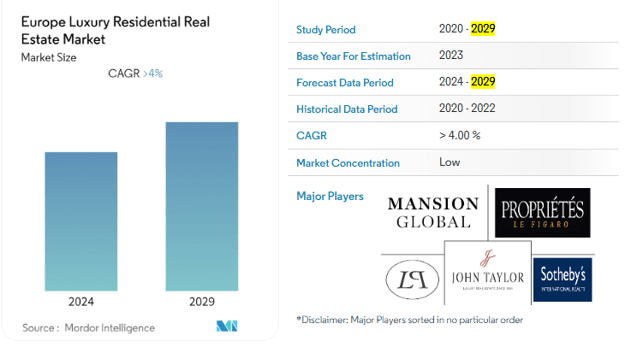
According to a recent report by Mordor Intelligence, Europe’s luxury residential real estate market is valued at $124.6 billion and is expected to grow at a CAGR of over 4% through 2029.
France, Italy, Spain, and Portugal lead the way, with Germany, the United Kingdom, Andorra, Greece, Cyprus, and smaller Eastern European markets like the Czech Republic, Croatia, and Montenegro not far behind.
The report identifies three main drivers of the luxury real estate market in Europe:
- upgrading of existing residences
- increased interest in second homes
- lifestyle changes, with people moving to the outskirts of cities to enjoy a better quality of life, supported by modern technologies
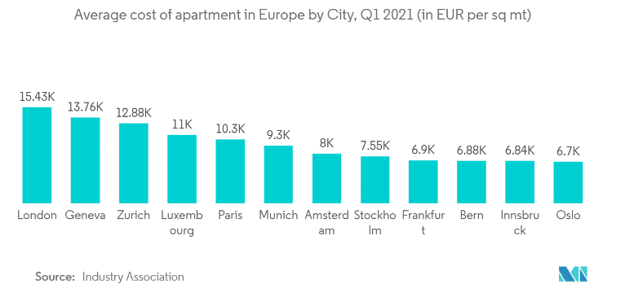
The price of a luxury home can vary greatly depending on the location. For example, in London, high-end apartments are valued at approximately 15,430 EUR per square meter. In contrast, in Oslo, the average cost of an apartment is around 6,700 EUR per square meter.
The power of 3D Rendering
Considering the growing demand for luxury properties, it’s a must for real estate professionals to invest in innovative marketing strategies that cater to the expectations of affluent buyers.
3D rendering technology delivers a visual experience that captivates and converts potential clients in multiple ways:
- photorealistic exterior and interior visualizations
- virtual staging of unfurnished spaces
- customizable material and finish options
- day and night lighting scenarios
- inclusion of human elements to convey scale and lifestyle potential
Advanced Visualization Services for Premium Properties
Real estate professionals can choose from multiple 3D rendering services to present high-end properties to potential buyers in the most compelling way possible. These services encompass a comprehensive range of visualization options that cater specifically to the luxury real estate sector.
Some of the most notable ones offered by expert 3D rendering companies include:
- 3D exterior renderings: Detailed visualizations of building exteriors, showcasing architectural design and landscaping.
- 3D interior renderings: Photorealistic, narrative depictions of interior spaces, highlighting layout, furniture, and decor.
- Aerial renderings: A bird’s-eye view of properties, illustrating their relationship to surrounding areas.
- 3D floor plan renderings: Visual representations of floor plans that help clients understand the layout and flow of spaces.
- 3D section renderings: Cross-sectional views of buildings that provide insight into the structural and functional elements of the design.
- Virtual tours with 360 views: Interactive tours that allow clients to explore properties in detail from any angle, enhancing the virtual viewing experience.
The Need for 3D Renderings in High-End Real Estate Marketing
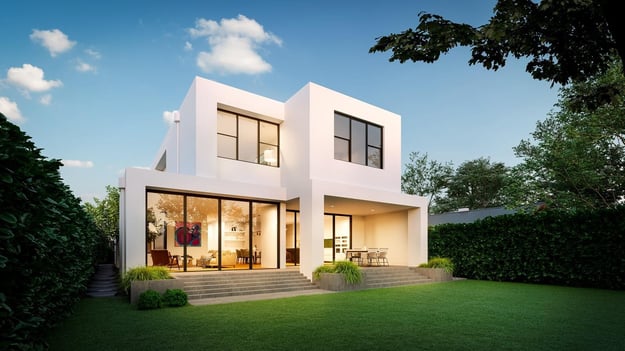
Although sales of high-end homes are increasing, real estate professionals should be aware that this surge also leads to an influx of new listings, intensifying market competition.
Leveraging 3D rendering for marketing is essential to remain competitive and attract luxury buyers. Besides that, there are other key advantages to using this tool for high-end real estate marketing:
Enhanced Visualization
3D renderings provide a photorealistic view of properties, allowing potential buyers to see and appreciate the full potential of a home before visiting it in person.
This visualization can highlight unique architectural features, luxurious finishes, and the overall ambiance of the property, making it more appealing to discerning buyers.
Improved Client Engagement
Interactive 3D renderings and virtual tours engage clients more effectively than traditional photographs or 2D floor plans.
Buyers can explore the property at their own pace, gaining a deeper understanding of the space and its layout. Such an immersive experience helps build an emotional connection with the property, increasing the likelihood of a sale.
Time and Cost Efficiency
Using 3D renderings can streamline the marketing and sales process. High-quality visuals can attract serious buyers more quickly, reducing the need for multiple viewings and extensive physical staging.
This efficiency not only saves time but also lowers marketing and operational costs.
Versatility and Flexibility
3D rendering offers versatile marketing options. From virtual tours through 3D floor plans, exterior and interior visualizations to aerial views, these renderings can be adapted to showcase properties in the most effective way possible.
They can also be easily updated based on client feedback or market trends, ensuring that the marketing materials always present the property in the best light.
Increased Market Reach
3D renderings can be shared easily online, expanding the market reach beyond local buyers. International clients and investors can explore properties remotely, making it easier to attract a global audience.
This expanded reach can significantly boost interest and demand for high-end properties.
Better Decision-Making
Providing potential clients with a clear and detailed visualization of a property helps them make informed decisions. They can see how their furniture and decor might fit into the space and get a realistic sense of the property’s scale and proportions.
This clarity reduces the risk of misunderstandings and enhances buyer confidence.
Maximizing ROI Through 3D Rendering
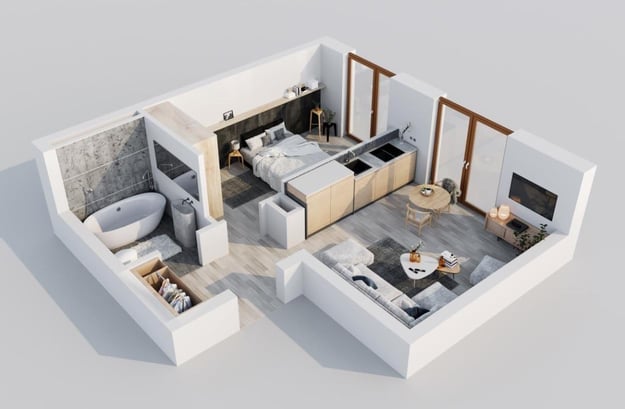
The implementation of 3D rendering in real estate marketing strategies delivers measurable returns on investment.
Here are three ways for real estate professionals to use it effectively:
- Pre-construction marketing: Present properties before breaking ground, allowing for early sales and investment opportunities.
- Virtual property tours: Create immersive experiences that save time and resources while reaching a global audience.
- Design customization: Showcase different interior design options and architectural modifications to meet specific buyer preferences.
Integrating 3D rendering with traditional marketing can also be valuable in amplifying the effectiveness of real estate campaigns. Incorporate 3D visuals into printed brochures, direct mail campaigns, and in-person presentations to provide a more comprehensive view of the property.
Conclusion
3D rendering has become an essential component of successful luxury real estate marketing strategies. Providing immersive, narrative visualizations enables real estate professionals to showcase properties more effectively and connect with discerning buyers on a deeper level.
Frequently Asked Questions
1. What’s the difference between 3D rendering and virtual staging?
While virtual staging focuses on furnishing empty spaces digitally, 3D rendering creates complete visualizations of both the structure and its furnishings, often from architectural plans.
2. How do 3D renderings impact property viewing requests?
Properties marketed with professional 3D renderings typically receive more qualified viewing requests, as potential buyers have a clearer understanding of the space before scheduling in-person visits.
3. Can 3D rendering be used for projects other than real estate marketing?
3D rendering can be used for a variety of projects, including architectural design, product visualization, and landscape and urban planning.