What Does the Future of Boat Technology Have in Store for Us?
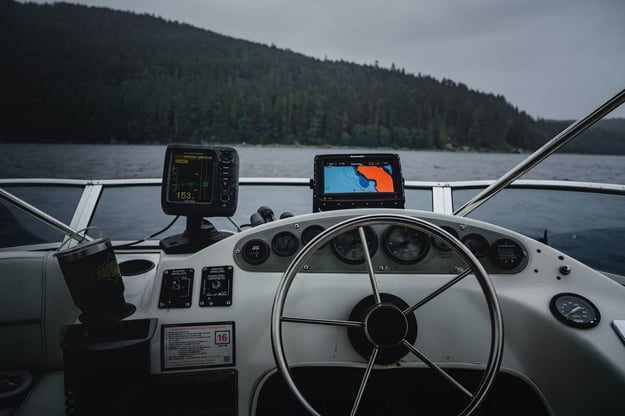
According to some historical accounts, boats may have been part of people’s lives here on Earth for more than 12,000 years. Many early models were dugouts or made of reeds, but as humanity progressed, so did our seafaring capabilities. Eventually, lumber came into play, followed by steel, aluminum, and other metals. Over time, fiberglass, carbon fiber, and additional materials entered the mix. Boats became larger and more elaborate over the centuries, and today, many feature extensive advanced technology.
Humanity is still progressing, creating an ever-growing range of innovations. Those advancements are making their way into every industry and most of the items that have become essential to our lives. Boats are no exception. Though quite a few people still hold fast to the small aluminum models with no electrical wiring, navigation systems, or other high-tech features, many are riding the tides of change into the modern era and beyond. Which future innovations can you expect if you’re searching for boats for sale in austin? Some of the answers might surprise you.
Exploring the Future of Boat Technology
Numerous advancements in boat technology are in the works right now. Some are already being incorporated into modern vessels whereas others are still in the research and development phases. No matter which stage they’re in, they promise to revolutionize the world of both recreational and commercial boating in several ways.
Autonomous Docking
First, let’s look at one of the more basic new developments for boats: autonomous docking. An ever-growing number of automobiles now come with parallel parking assist and even automatic parking that requires no human intervention. This technology greatly reduces the stress involved in parallel parking, and countless drivers are taking advantage of it.
At this point, boaters can enjoy its benefits as well. They’ve long pointed out that docking their boats can be particularly tense and challenging, especially in cramped spaces and if there are numerous obstacles to watch out for along the way. Autonomous docking solves that problem. As is the case in vehicles with autonomous parking technology, boats equipped with this feature use cameras, sensors, GPS, and other devices. They can pinpoint docks, pilings, surrounding boats, and other obstructions and, using highly advanced algorithms, safely and effectively avoid them while maneuvering into place.
Autonomous docking systems are also equipped with machine learning. That allows them to learn as they go. In turn, they continually grow more skilled at docking in a variety of dicey situations. Those include avoiding the obstacles mentioned earlier as well as dealing with low light, reflections, choppy water, and bad weather.
Smart Navigation
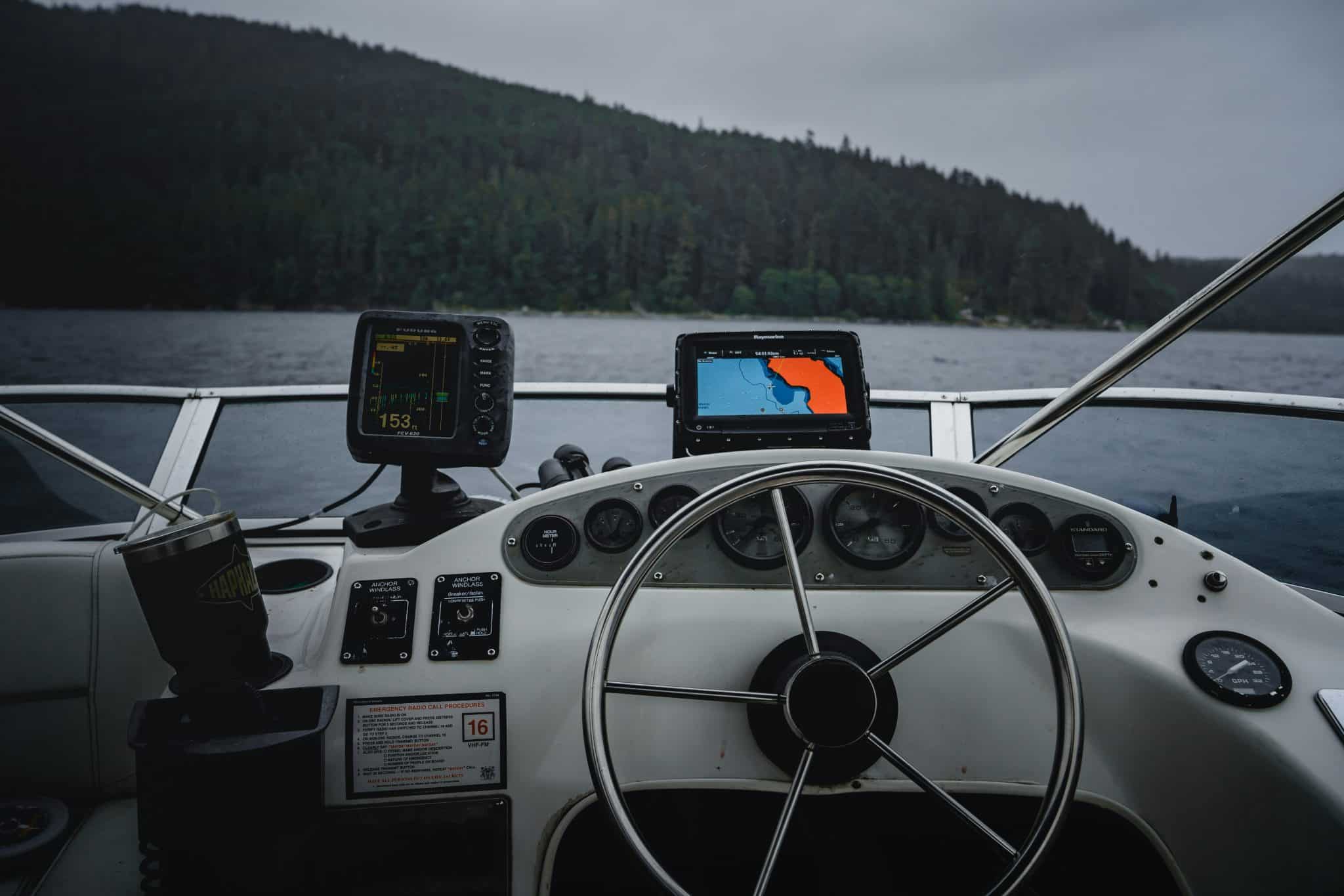
Smart navigation is also making waves in the world of boating. Cameras, sensors, GPS systems, LiDAR, and other technology are going well beyond advanced parking capabilities, essentially making boats floating smart devices. They’re making boating safer and simpler than ever before.
For one, these devices work together to give boaters a clearer picture of their surroundings. They alert them to obstacles that may be in their way both on the water and beneath its surface. That helps boaters avoid reefs, sand bars, and other hazards while also reducing the risks of collisions with swimmers, jet skis, and other boats.
Of course, smart navigation systems also help boaters avoid getting lost on the water. On top of that, they use artificial intelligence and other technology for analyzing currents, weather patterns, and additional factors to help boaters find the safest possible routes. Smart navigation systems offer autopilot capabilities and can automatically change their courses if unexpected dangers arise. They can give operators real-time weather updates and provide alerts about problems with the boat itself. They can even help rescuers locate you if you find yourself stranded somewhere.
Additionally, analysts expect smart technology to become common in marinas and ports in the future. It can help with docking, managing traffic, fueling, loading and unloading commercial ships, making reservations, payments, communications, and many other tasks. It’s already being used in some areas, but it’s not exactly mainstream right now.
Electric and Hybrid Engines
Like land-based vehicles, boats are trending toward electric and hybrid engines. Battery range has been a concern with these engines from the beginning, but they’re improving with each passing year. For now, boats with electric engines get a range of 20 to 40 nautical miles depending on several factors. Hybrids get about the same distance in electric mode, and they have their conventional ICE engines for backup. At the same time, some electric and hybrid boats have solar panels for continuous charging no matter where they are.
Many people, critics and boaters alike, insist that boats with electric and hybrid motors have the same power levels as their counterparts. They also run far quieter. Since they require less fuel or no fuel at all, your costs of operation may be lower with a hybrid or electric boat as well.
Environmental Protection
Another future trend in boats is more focus on environmental protection. Electric motors and hybrids operating in electric mode don’t produce emissions. That means they give you the opportunity to enjoy nature while also reducing your impact on the environment. Some of the smart technology being incorporated into boat designs helps to reduce the likelihood of accidents, so it may help keep more boats from being scrapped and potentially ending up in landfills.
More eco-friendly hull coatings are being developed as well. Some future options would help prevent marine growth on the hull without using potentially harmful antifouling agents. The challenge in this arena is developing environmentally friendly solutions that can actually withstand the harsh marine environment.
Furthermore, some of the technology we currently have is being used to transform certain boats into environmental monitoring stations. It can gather information about water quality, temperature, pollutants, and the health of marine ecosystems and send it to research stations and environmental agencies. In the future, recreational and commercial vessels may become more connected with those agencies to provide more thorough and effective monitoring.
Taking Boat Technology Into the Future
Boats have come a long way over time, and technology is advancing more quickly today than ever before. Some of the advancements mentioned here have already made their way into the boating sector while others have yet to be perfected enough to be practical. Present innovations have already revolutionized boating in many ways, and the future is sure to have even more exciting developments in store for us.