Ways Businesses Can Prepare for Fire Emergencies
A strong fire safety program starts with careful planning and reliable protection systems. Identify hazards, maintain safety equipment, and improve responses.
 6 min read
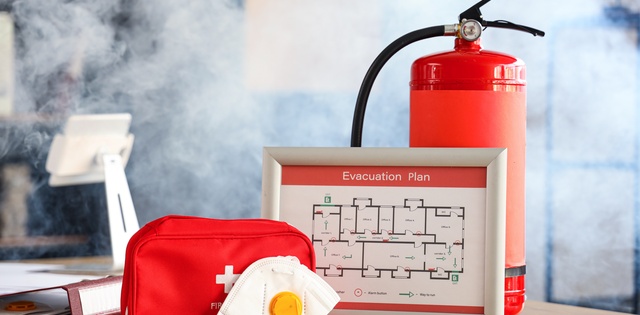
A fire can disrupt business operations in minutes, putting employees, customers, and valuable equipment at risk. Even a small incident can lead to costly repairs and unexpected downtime. Fortunately, businesses can prepare for fire emergencies and reduce potential damage in several ways. Taking the right precautions now can make your workplace safer and give employees greater confidence in responding to an emergency.
Assess Workplace Fire Hazards
Fire hazards exist in nearly every workplace, including seemingly low-risk environments. Identifying potential problems early lets business owners correct unsafe conditions before they become an emergency.
Some areas present greater fire risks because of the materials or equipment they contain. For example, storage rooms may house combustible supplies, while electrical rooms contain equipment that can overheat. Inspect these spaces regularly for unsafe conditions or signs of damage. Don’t overlook areas employees rarely enter, as problems can go unnoticed.
Common Ignition Sources
Damaged wiring and overloaded electrical outlets are common workplace fire hazards. Check cords for wear and avoid connecting more equipment than an outlet or circuit can safely support. Keep combustible materials well away from heat-producing equipment. Employees should also know how to report potential hazards so problems can be corrected promptly.
Develop a Fire Emergency Plan
One of the most effective ways to prepare your business for fire emergencies is to establish clear response procedures before an incident occurs. A comprehensive emergency plan outlines how your business will respond to different threats, including fires, severe weather, and other unexpected disruptions. When you create a business emergency plan, address the specific fire risks within your workplace.
Make sure your plan covers these essential details:
- emergency contact numbers and reporting procedures
- designated employee responsibilities
- evacuation routes and assembly locations
- procedures for accounting for employees
- emergency communication methods
Install Reliable Fire Detection Systems
Early detection can give employees valuable time to leave the building before conditions become dangerous. However, not every detection system suits every business. Consider your building’s layout and daily operations when selecting equipment, and make sure the system receives proper maintenance.
Choose Appropriate Detection Equipment
The right detection equipment depends on your facility’s conditions. Smoke detectors are common in offices, while heat detectors may suit environments where dust or airborne particles could trigger false alarms. A qualified fire protection professional can assess your building and recommend appropriate devices. Also ensure alarm signals can be heard or seen throughout occupied areas.
Test Alarms Regularly
Even a well-designed detection system can develop problems over time. Schedule alarm testing according to applicable fire codes and manufacturer recommendations. If a device malfunctions, arrange repairs promptly rather than waiting until the next scheduled inspection. Keep testing and maintenance records to track recurring issues and document compliance.
Maintain Fire Protection Equipment
Fire protection equipment must remain in working condition to provide reliable protection during an emergency. A blocked extinguisher or damaged sprinkler component could delay an effective response when every second counts. Establish a maintenance schedule that combines routine visual checks with professional inspections and servicing.
Pay particular attention to these systems and devices:
- fire extinguishers and their mounting locations
- automatic sprinkler systems
- emergency lighting and illuminated exit signs
- fire doors and associated hardware
- fire alarm control panels
Train Employees for Fire Emergencies
Even with reliable fire protection systems in place, employees need to know how to respond when an emergency occurs. Training should cover the actions workers are expected to take and the situations they might encounter. Regular refresher sessions can reinforce this knowledge while bringing new employees up to speed.
Fire extinguishers can help control small fires, but improper use can put employees in danger. That’s why fire extinguisher training protects the workplace by teaching employees how to operate this equipment safely. Designated employees should learn which extinguishers suit different fire types and how to recognize dangerous conditions. Training should also emphasize when to stop fighting a fire and evacuate instead.
When To Evacuate
Employees shouldn’t feel obligated to fight a fire before leaving the building. Heavy smoke or rapidly spreading flames are clear reasons to evacuate immediately. During training, explain why workers should leave personal belongings behind and avoid returning to retrieve anything. Reinforce the importance of following evacuation instructions rather than making independent decisions that could increase their risk.
Establish Clear Evacuation Procedures
When a fire alarm sounds, employees should already know how to leave the building safely. Clear evacuation procedures reduce confusion and prevent unnecessary delays during an emergency. Businesses should plan for different scenarios to ensure everyone can reach safety, even when conditions change unexpectedly.
Keep Emergency Exit Routes Accessible
Make sure all escape routes remain clear of furniture, equipment, and other obstructions. Post evacuation maps in visible locations so employees can quickly identify the nearest exits. Establish alternative routes in case smoke or flames block the primary path. Regularly inspect exits to confirm that doors open properly and emergency signs remain visible.
Designate Safe Assembly Locations
Choose an outdoor assembly area that’s far enough from the building to protect evacuees without interfering with emergency responders. Make sure employees know where to gather after exiting. Assign designated personnel to account for everyone, including visitors and employees who may need evacuation assistance. If someone is missing, notify emergency responders immediately rather than reentering the building.
Conduct Regular Fire Drills
An emergency plan is much easier to follow when employees have practiced using it. Conduct periodic fire drills to familiarize workers with evacuation routes and their responsibilities. Vary the scenarios occasionally so employees learn how to respond when their usual exit isn’t available.
After each drill, evaluate how smoothly the evacuation went and where employees experienced difficulties. For instance, you might discover that an exit is difficult to locate or that the assembly process takes longer than expected. Use these findings to improve procedures, then review the changes with your team before the next drill.
Preparing for a fire doesn’t have to disrupt your daily operations. By making safety checks and employee training part of your regular business routine, you can address potential weaknesses before they become serious problems. Encourage your team to report hazards and suggest improvements based on their workplace experience. These consistent efforts can create a safer environment for everyone while reducing the consequences of a fire.