How To Protect Your Team From Mold Exposure in the Workplace
Mold growth in the workplace raises serious health concerns. Explore what it takes to protect your team from mold exposure and sustain a safe workplace.
 6 min read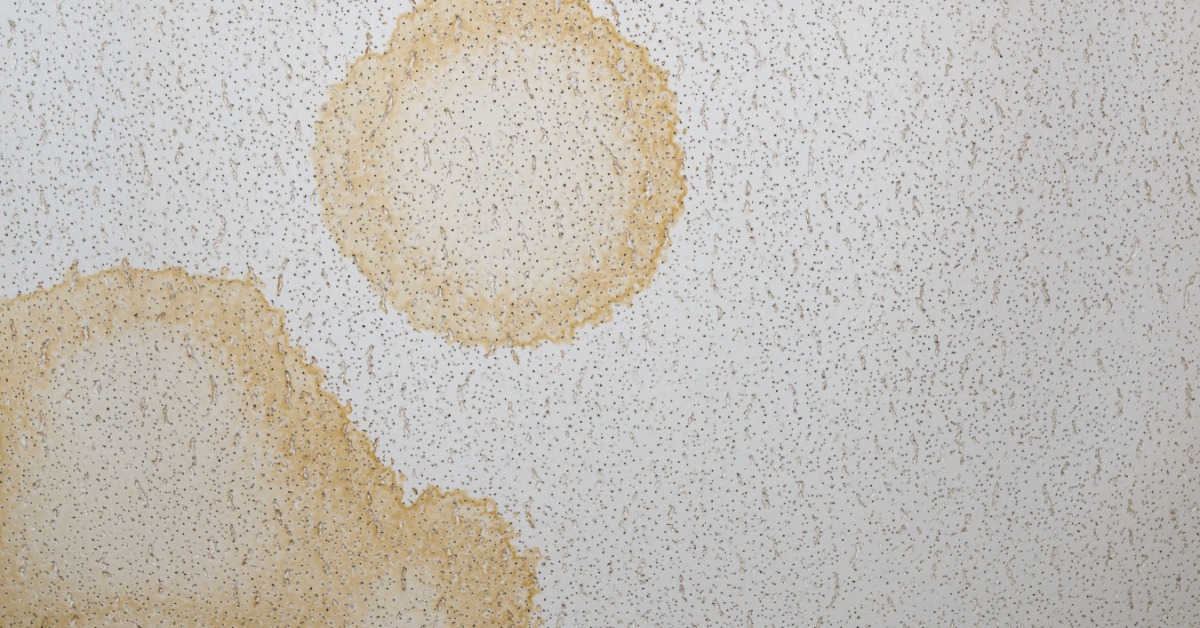
When the whole team stays focused on meeting pressing project timelines, it’s easy to overlook office safety issues. Mold will grow if there’s any sort of water damage left untreated behind the walls. A basic leak becomes a serious hazard for the whole team.
While workplace productivity is important, your team’s well-being is more valuable. Small business leaders have to protect their people from mold exposure. These tips will help you safeguard people’s health, treat the issue, and continue to complete important tasks.
1. Detect Moisture Issues Promptly
Water intrusion causes damp conditions that encourage mold to grow. A ceiling stain might indicate a leaky roof, while fuzzy growth on a cabinet could point to a plumbing issue. Warped and sagging drywall are also common indications of drywall damage beyond cosmetic imperfections.
Moisture may seem like a basic issue, but it can escalate if you don’t keep a close eye on it. Taking prompt action will show your team that you care about the office’s quality and staff’s health.
2. Restrict Access Around Suspected Growth
Once suspected mold appears in an occupied area, the main concern shifts toward limiting contact. Closing a room or relocating a few workstations might interrupt the normal routine. Nevertheless, temporary disruption is more manageable than continued employee traffic through a contaminated space.
Instead of shutting down a workspace by default, limit access to the affected area. Set up alternate routes when necessary. If there’s a large contaminated area that could affect adjacent work zones, shut down those workspaces, too. The goal is keeping routine business activity away from the affected space until the condition receives a professional evaluation.
Small businesses also benefit from assigning one person to manage access questions. Employees then know who has current information about temporary room closures or workspace changes. That simple point of contact prevents mixed messages from spreading across a small team.
3. Control Air Movement Near Mold
When an employee notices mold or a strong musty odor, the first step involves limiting air movement around the suspected area. Mold spores and contaminated dust travel when people disturb affected materials, so sweeping, scrubbing, drilling, or moving furniture near the growth could spread particles into nearby workspaces. Portable fans also pose a risk because they might carry contaminated air beyond the original location.
Managers should check whether the affected area sits near an HVAC return, supply vent, or other air-handling equipment. Airflow through those systems could move spores into additional rooms, especially when the system continues operating near visible growth or water-damaged materials. Avoid redirecting fans toward the area, and keep employees away from the suspected source until a professional evaluates the condition.
Schedule Professional Support
A small surface spot might point to hidden moisture behind drywall, above ceiling tiles, or inside ductwork. Contact a qualified mold remediation professional when growth covers a large area, returns after cleaning, appears near HVAC equipment, or follows significant water damage.
Professionals can assess the source, determine how far contamination has spread, and recommend appropriate containment or removal methods. Managers should focus on restricting access and preserving indoor air quality rather than attempting to diagnose or clean up the issue themselves.
4. Address the Moisture Source Promptly
Surface cleanup won’t resolve a mold problem if water continues reaching the same materials. Leaks travel through framing cavities before they leave visible marks on a wall or ceiling, so a stain might appear several feet from the actual source. Common causes include plumbing failures, roof leaks, condensation, and uncontrolled indoor humidity.
It’s not up to the team to scrape or sand suspected mold spots. Disturbing contaminated materials can release particles into nearby areas and expand the concern beyond the original location. Instead, keep employees away from the affected space and contact qualified professionals to locate the moisture source.
5. Monitor the Space After Cleanup
Visible cleanup doesn’t automatically mean the underlying moisture problem is gone. A repaired wall might show new staining after heavy rain or another plumbing leak. If moisture reappears, odors could return.
Routine checks of the repaired area make recurring changes easier to spot before the same space becomes another employee concern. Building managers should watch for fresh discoloration or renewed moisture near the original source. HVAC maintenance requires similar attention when the original issue involved condensation or air-handling equipment.
6. Support Your Team Through the Process
Mold concerns affect employee trust as much as daily schedules in some workplaces. People may wonder what was found or whether their work area is safe to enter again. Clear updates make the response easier to understand without overwhelming employees with technical language.
Share Direct Updates
Employees shouldn’t have to piece together the situation from closed doors or secondhand messages. A short update might explain the affected area and any temporary workspace changes. Managers should share new information after an inspection or remediation without overstating what they know. Consistent communication provides a reliable source instead of leaving unanswered questions to circulate through the workplace.
Take Health Concerns Seriously
There are specific workplace health and safety practices businesses must follow. Therefore, you must take reports of eye irritation and breathing discomfort seriously. Managers don’t have to diagnose symptoms to respond responsibly. Documenting the concern and explaining the workplace response shows employees their report received attention.
Explain the Return to Normal Operations
Team confidence improves when leadership explains why an area has reopened. A brief update confirms the moisture source was addressed and the cleanup work finished. Employees benefit from knowing whom to contact if an odor returns or new moisture appears.
Protect Your Team’s Health and Safety
Mold concerns test a company’s maintenance practices and leadership decisions. When managers address leaks, condensation, and humidity quickly, they reduce the moisture mold needs to grow.
Regular inspections help teams spot new odors, stains, or damp materials before those issues affect larger sections of the workplace. Clear reporting procedures give employees a direct way to share concerns and receive timely answers. Together, these habits make protecting your team from mold exposure a consistent part of responsible daily operations.