Things You Don’t Think About Until You Have to Move
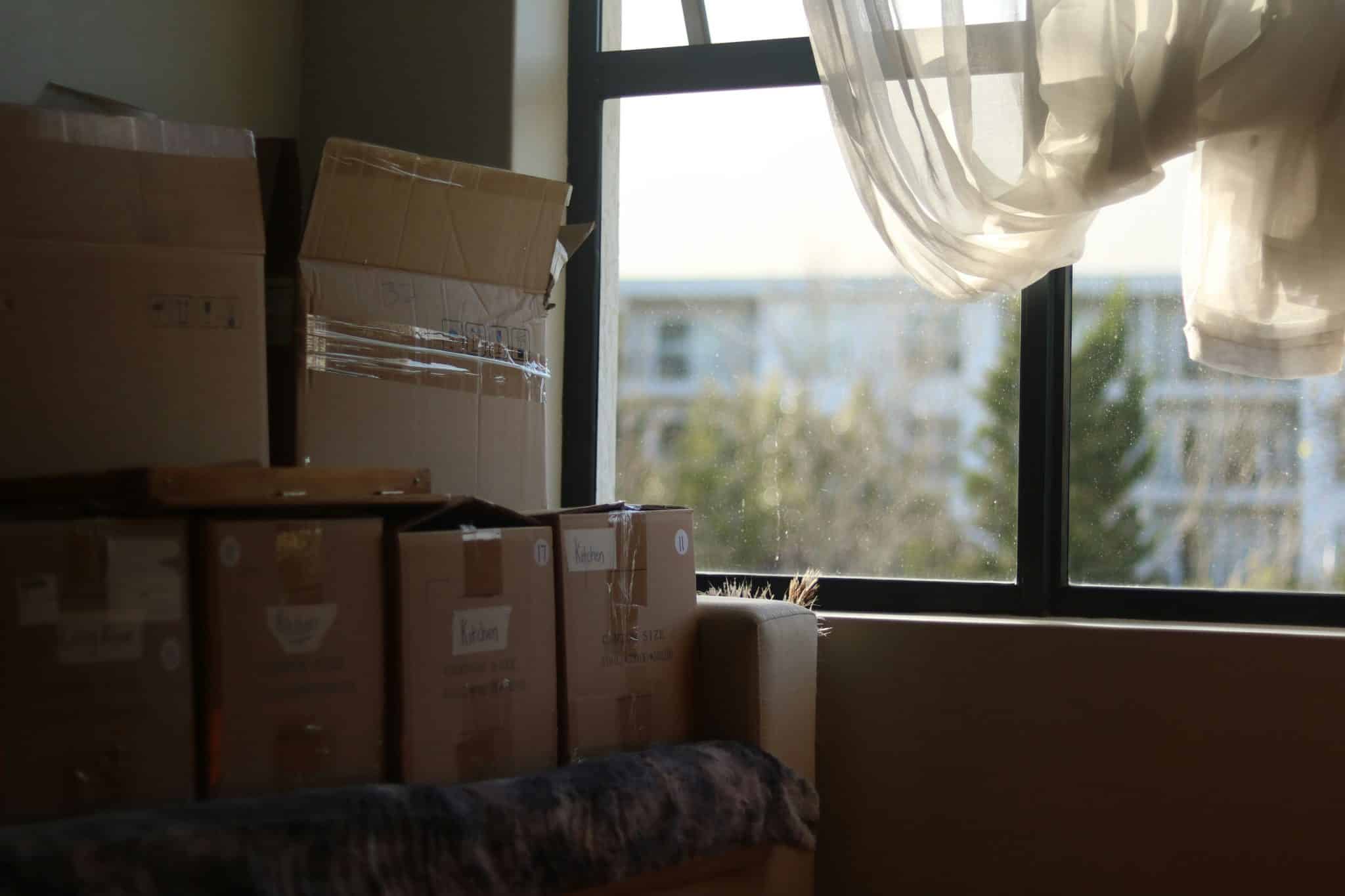

Moving sounds simple until you’re actually doing it. When a person moves from one house to another, it can already be stressful. But when a whole business moves? That’s a much bigger task. There’s more to think about, more people involved, and way more things that need to be packed, tracked, and transported carefully.
Whether it’s a small office or a large company, a commercial move is never just about putting things in boxes and loading a truck. There are things most people don’t even notice—until something goes wrong. That’s why planning ahead and working with people who know what they’re doing makes such a big difference.
Timing Everything Just Right
One thing that makes commercial moves hard is the schedule. Businesses can’t stop everything for days just to move. Most companies want to stay open as much as possible or at least have things up and running quickly in the new place.
That means the move has to happen fast, but also carefully. If even one step takes too long, it can affect everyone—employees, customers, and even deliveries. A moving team has to figure out when to pack, when to transport, and when to set everything back up. It’s not just about moving stuff. It’s about getting it done in a way that doesn’t interrupt the business more than necessary.
This is where professional help comes in. Seattle Commercial Movers are one example of a team that handles this kind of planning. They don’t just move desks and boxes—they work with companies to make sure everything happens on time, with the right tools and steps in place.
Keeping Things Organized
When a person moves to a new house, they might just label a few boxes and figure it out later. But when a business moves, that approach doesn’t work. Offices often have rows of computers, shelves of files, and equipment that can’t just be tossed into a bin.
Everything has to be labeled, grouped by department or use, and packed in a way that makes sense when it gets unpacked. If this part is skipped, the new office could end up with piles of unmarked boxes and confused employees trying to find what they need.
Professional commercial movers usually create detailed plans for this part. They label everything so it ends up in the right room, set up equipment in the right order, and sometimes even provide checklists to make sure nothing gets lost or forgotten.
Protecting Expensive Equipment
In a home move, people worry about things like TVs or glassware. But in a business move, there’s usually a lot more at risk—computers, printers, servers, phones, and more. All of it has to work right after the move. If even one cable gets damaged or one system doesn’t get plugged in correctly, it can cause problems for the whole team.
That’s why commercial moves often include special handling for electronics and other delicate items. Movers have to know how to pack them, how to move them without damage, and how to place them in the new office so they’re ready to use again quickly.
Sometimes, companies also need help disconnecting and reconnecting the equipment, which takes extra skill and care. It’s not just about moving fast—it’s about moving smart.
Dealing with Heavy and Awkward Furniture
Office furniture can be difficult to move. Some desks are huge. Filing cabinets are heavy. Conference tables might not even fit through the door unless they’re taken apart. On top of that, a lot of furniture is built to stay in place—not to be carried around.
Movers have to figure out the best way to handle it all. That might mean using equipment to lift heavy items, wrapping surfaces so nothing gets scratched, or carefully taking apart pieces that are too large. This takes time, and it has to be done right so nothing breaks.
Once everything is moved, it still has to be reassembled and placed in the right spot. If a team tries to do this without help, it can take way longer than expected—and lead to damaged furniture or injuries.
Making the New Office Work
The job isn’t finished when the truck arrives at the new office. In fact, that’s when some of the most important work starts. Movers don’t just drop everything and leave—they help set things up so the office is ready for work again.
That might include putting desks in the right places, connecting computers and phones, and making sure chairs, lights, and other equipment are where they belong. The faster this setup happens, the faster the business can get back to work.
Without a good plan for this part, the move can feel unfinished even days later. Employees might not know where anything is, or worse, not have the tools they need to do their jobs.
Why Experience Matters
Commercial moves aren’t easy. They include a lot of moving parts—literally and figuratively. Having a professional team that understands how these moves work helps everything go smoothly.
They’ve seen the problems before. They know how to plan around them. They have the right tools and the right people to handle heavy furniture, sensitive equipment, and detailed schedules.
That’s why many companies choose to hire movers who focus on commercial moves instead of trying to do it themselves or using a general moving service. It saves time, avoids mistakes, and helps everyone stay focused on what really matters—getting back to work in the new space.