The Future of Solar Batteries: What’s Next?
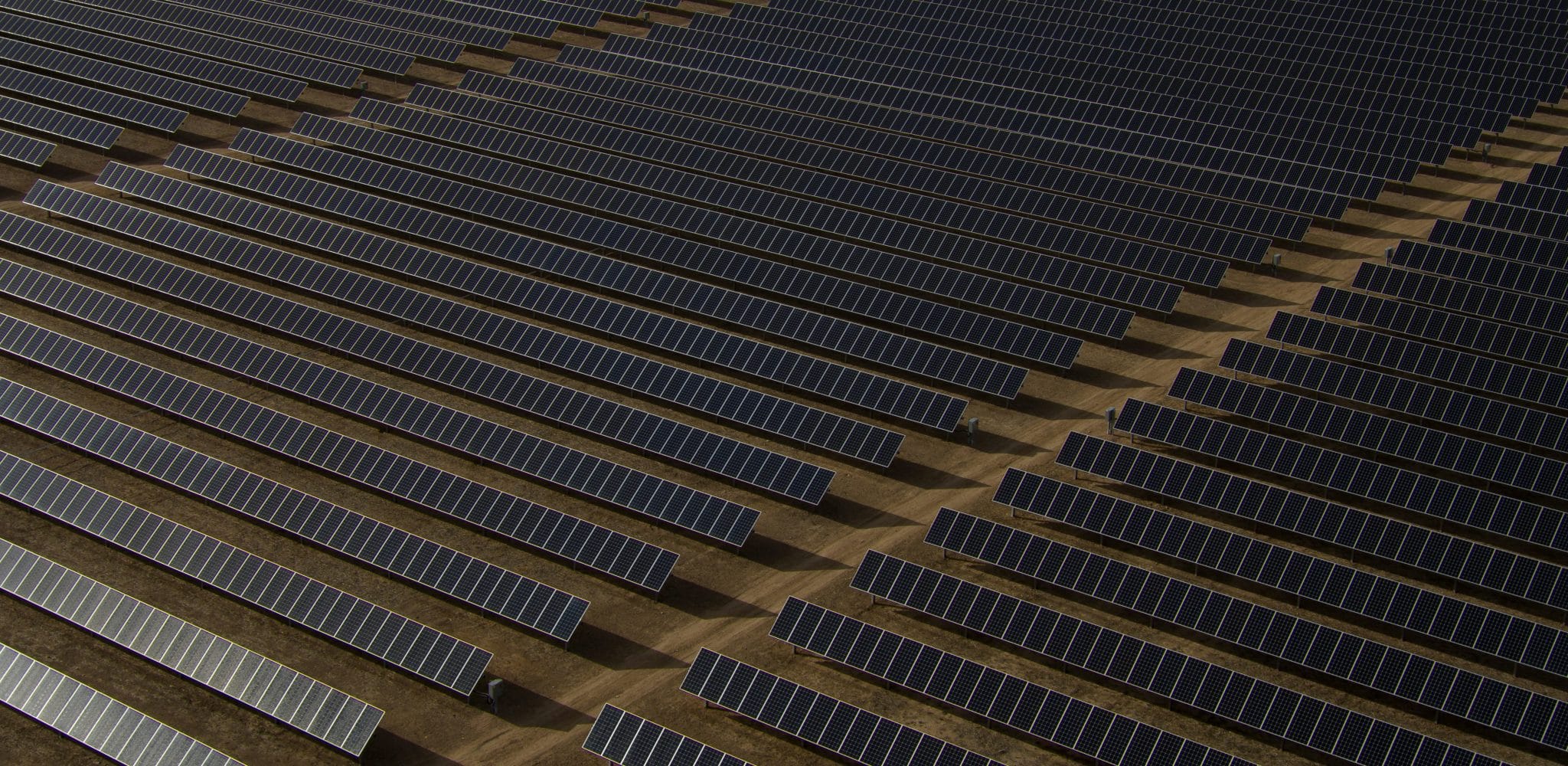
 As the world embraces renewable energy, solar power has emerged as a cornerstone of the global energy transition. While solar panels remain a critical component, advancements in solar battery technology are redefining how we store and use this abundant, clean energy. But what does the future hold for solar batteries, and how will these innovations impact our daily lives?
Rising Demand for Energy Independence
Homeowners and businesses alike are increasingly seeking energy independence to reduce reliance on the grid and minimise energy bills. Solar batteries enable users to store excess solar energy generated during the day for use during the night or during power outages. This shift towards decentralised energy solutions is driving rapid innovation in battery technology, particularly in improving efficiency and storage capacity. One of the most notable trends is the rise of the backup battery for home systems – these solutions not only ensure that households remain powered during blackouts but also allow energy-conscious users to manage their energy usage effectively.
Game-Changing Innovations on the Horizon
- Solid-State Batteries: Solid-state batteries are set to revolutionise the energy storage market. Unlike traditional lithium-ion batteries, these use a solid electrolyte, which enhances energy density and safety. They promise faster charging times, longer lifespans, and greater reliability. Although still in the development phase, they are likely to become a mainstream option in the coming years.
- Second-Life Batteries: As the demand for electric vehicles (EVs) grows, a parallel industry of second-life batteries is emerging. Batteries that are no longer suitable for EVs can be repurposed for solar energy storage (this not only reduces waste but also provides a cost-effective solution for homeowners looking to invest in solar battery systems).
- AI-Driven Energy Management: Artificial intelligence is transforming solar battery systems by enabling smarter energy management. Future systems will predict energy consumption patterns, optimise battery charging and discharging, and seamlessly integrate with smart home technology. This ensures maximum efficiency and savings while reducing environmental impact.
- Grid-Interactive Batteries: Next-generation solar batteries are expected to interact more dynamically with the energy grid. These “grid-interactive” systems will allow users to sell surplus energy back to the grid during peak demand, creating a more balanced and efficient energy network. This technology aligns with Australia’s increasing adoption of Virtual Power Plants (VPPs), where individual batteries contribute to a shared energy system.
Sustainability at the Forefront
As solar batteries become more sophisticated, their environmental footprint is also under scrutiny. Researchers are exploring sustainable materials and recycling methods to ensure that the production and disposal of batteries align with the principles of a circular economy.
Governments and industries worldwide are also ramping up investments in green energy initiatives. In Australia, these efforts are paving the way for widespread adoption of solar energy and battery storage systems, particularly in residential areas.
Empowering the Energy Consumer
The future of solar batteries is not just about advanced technology – it’s about empowering individuals and communities. By adopting cutting-edge storage solutions, Australians can take control of their energy consumption, reduce carbon footprints, and contribute to a more sustainable future.
As these innovations continue to unfold, now is the perfect time to explore how solar batteries can transform the way you power your home or business. With smart investment today, you’ll be well-positioned to harness the incredible potential of tomorrow’s solar technology.