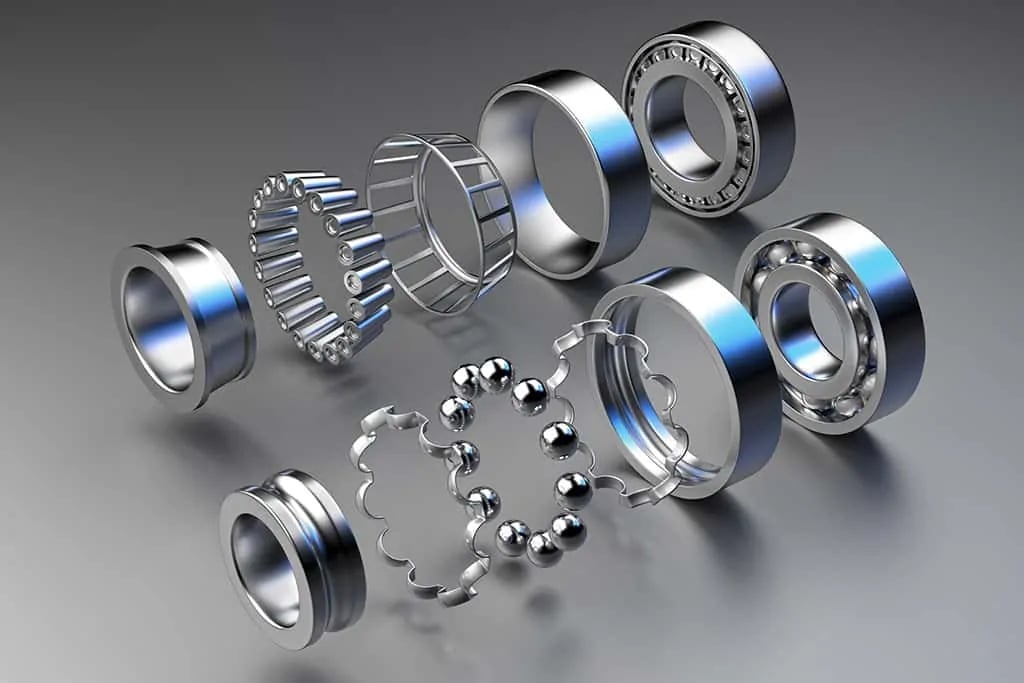
When your machinery operates at thousands of revolutions per minute, every component matters. A single bearing failure in a high-speed application can halt production, damage expensive equipment, and create safety hazards. Yet many engineers and procurement managers struggle to find suppliers who truly understand the demanding requirements of precision bearings in high-speed environments.The difference between standard and precision bearings becomes critical when equipment pushes performance boundaries. While a general-purpose bearing might suffice for low-speed conveyors, high-speed turbines, spindles, and compressors require components engineered to exact specifications. Finding a supplier who delivers both quality products and technical expertise separates smooth operations from costly downtime.
Understanding Precision Bearings in High-Speed Machinery
What Defines a Precision Bearing?
Precision bearings distinguish themselves through tighter manufacturing tolerances than standard bearings. These components maintain dimensional accuracy within microns, ensuring smooth rotation even at extreme speeds. The manufacturing process involves specialized grinding techniques, superior materials, and rigorous quality control measures that standard bearings don’t require.
Critical Role in High-Speed Applications
High-speed machinery bearings face unique challenges. As rotational speeds increase, friction generates heat that can degrade lubricants and cause thermal expansion. Precision bearings address these issues through advanced cage designs, specialized materials, and optimized internal geometries that minimize friction and heat generation while maintaining load capacity.
Common Industries Using High-Speed Precision Bearings
Machine tool manufacturers rely on precision bearings for spindles that achieve cutting speeds exceeding 20,000 RPM. Aerospace applications demand bearings that perform reliably in turbine engines operating under extreme temperatures and rotational forces. Medical equipment, semiconductor manufacturing, and automotive turbochargers also depend on precision bearings for critical high-speed operations.
Key Precision Bearing Specifications for High-Speed Performance
Tolerance Grades and ABEC Ratings
ABEC ratings provide a standardized measurement of bearing precision, ranging from ABEC 1 to ABEC 9. Higher ratings indicate tighter tolerances in bore diameter, outer diameter, and width. High-speed applications typically require ABEC 7 or higher to maintain performance and prevent premature failure. When sourcing quality bearings online, such as from Bearings Direct, understanding these ratings helps identify products suitable for demanding applications.
Material Composition and Heat Resistance
Chrome steel remains the standard bearing material, but high-speed applications often benefit from ceramic hybrid bearings. Silicon nitride balls combined with steel races reduce weight, minimize thermal expansion, and resist corrosion better than all-steel designs. This material combination proves especially valuable in applications where temperature fluctuations challenge conventional bearings.
Lubrication Requirements for High-Speed Operations
Proper lubrication becomes increasingly critical as speeds rise. High-speed bearing selection must account for lubricant type, quantity, and delivery method. Too much grease increases friction and heat, while insufficient lubrication accelerates wear. Oil mist and oil-air lubrication systems often outperform traditional grease in extreme high-speed environments.
Load Capacity and Speed Limitations
Every bearing has a speed limit defined by its DN value—the product of bearing bore diameter in millimeters and rotational speed in RPM. Exceeding this value risks catastrophic failure. Precision bearing specifications should clearly state DN limits alongside radial and axial load capacities to ensure safe operation within design parameters.
Essential Bearing Supplier Selection Criteria
Product Quality Standards and Certifications
Reputable suppliers maintain ISO 9001 certification at minimum, demonstrating commitment to quality management systems. Look for additional certifications relevant to your industry, such as AS9100 for aerospace applications. Quality documentation should include material certificates, dimensional inspection reports, and traceability information.
Inventory Availability and Lead Times
Production schedules can’t wait weeks for critical components. Suppliers should maintain adequate stock of common precision bearing sizes while offering expedited delivery options for urgent needs. Understanding a supplier’s inventory depth and distribution network helps avoid production interruptions.
Pricing Transparency and Value Proposition
While cost matters, the cheapest bearing rarely provides the best value in high-speed applications. Transparent pricing structures that account for specification requirements, quantity breaks, and delivery timelines enable informed purchasing decisions. Beware of suppliers offering prices significantly below market rates—quality compromises often lurk behind seemingly attractive deals.
Order Flexibility: Single Units to Wholesale Volumes
Your bearing needs might range from a single replacement unit to bulk orders for new equipment lines. Suppliers who accommodate both extremes without sacrificing service quality provide valuable flexibility. This capability proves especially important for maintenance departments managing diverse equipment portfolios.
Why Bearing Supplier Technical Support Matters
Engineering Consultation Services
Complex applications require more than catalog specifications. Suppliers with engineering expertise help optimize bearing selection for specific operating conditions. They analyze factors like load patterns, speed variations, environmental conditions, and mounting arrangements to recommend solutions that maximize performance and longevity.
Application-Specific Recommendations
Generic recommendations rarely suffice for specialized machinery. When working with components like pillow block bearings in high-speed configurations, technical support teams should understand mounting considerations, shaft alignment requirements, and housing selection to prevent installation problems.
Troubleshooting and Performance Optimization
Problems inevitably arise during equipment operation. Suppliers offering diagnostic support help identify root causes—whether bearing-related or stemming from other system components. This troubleshooting capability reduces downtime and prevents recurring failures through corrective action rather than simple part replacement.
Evaluating High Performance Bearing Distributors
Supply Chain Reliability and Delivery Speed
Supplier networks determine whether you receive bearings in days or weeks. Distributors with multiple warehouses and established logistics partnerships consistently deliver faster than those dependent on single-source inventory. Ask about fulfillment locations, shipping options, and track records for on-time delivery.
Geographic Coverage and International Shipping
Global operations require suppliers capable of serving multiple locations. International shipping expertise, customs documentation support, and regional distribution centers simplify procurement across borders. This capability becomes essential when standardizing components across multinational facilities.
Customer Service and Communication Standards
Responsive communication separates excellent suppliers from mediocre ones. Can you reach knowledgeable representatives quickly? Do they follow up proactively on orders and inquiries? Customer service quality often predicts overall supplier reliability better than marketing materials suggest.
Red Flags When Selecting Industrial Bearing Suppliers
Lack of Technical Knowledge
Sales representatives unable to discuss bearing specifications beyond basic catalog information signal potential problems. If staff can’t explain tolerance grades, lubrication requirements, or application considerations, the supplier likely lacks the expertise high-speed applications demand.
Limited Product Range or Specialization
Suppliers offering only one manufacturer’s products or focusing narrowly on specific bearing types may struggle to provide optimal solutions. Breadth of product knowledge and access to multiple brands enables better matching of bearings to application requirements.
Poor Documentation and Product Information
Incomplete or vague product specifications make informed decisions impossible. Quality suppliers provide detailed technical documentation, material certifications, and clear specifications for every product. Missing or unclear information suggests inadequate quality control or product knowledge.
Creating Your Precision Bearing Procurement Guide
Assessing Your High-Speed Application Requirements
Document operating conditions thoroughly before contacting suppliers. Record rotational speeds, load types and magnitudes, temperature ranges, environmental factors, and maintenance intervals. This information enables accurate bearing selection and prevents costly misapplication.
Requesting Quotes and Comparing Suppliers
Submit identical specifications to multiple suppliers to enable meaningful comparison. Evaluate not just price but also delivery time, technical support availability, warranty terms, and return policies. The lowest quote rarely represents the best total value.
Testing and Quality Verification Process
For critical applications, consider requesting sample bearings for evaluation before committing to large orders. Verify dimensional accuracy, surface finish, and operational smoothness. This quality verification step prevents discovering problems after installation in expensive equipment.
How Do You Choose the Right Precision Bearing Supplier for Your Operations?
Selecting suppliers for precision bearings in high-speed applications requires balancing multiple factors. Technical expertise, product quality, delivery reliability, and responsive support all contribute to supplier value. Start by clearly defining your application requirements, then systematically evaluate potential suppliers against the criteria outlined above.The right supplier becomes a partner in your operational success—providing not just components but knowledge, support, and reliability when performance matters most. Take time to assess capabilities thoroughly before making commitments. Your equipment’s performance and your organization’s productivity depend on this critical decision.Begin your supplier evaluation today by documenting your high-speed bearing requirements and reaching out to candidates who demonstrate the technical expertise and service capabilities your applications demand.