Korea’s Tech Secrets, Spicy Noodles, and the Digital Games We Don’t Talk About
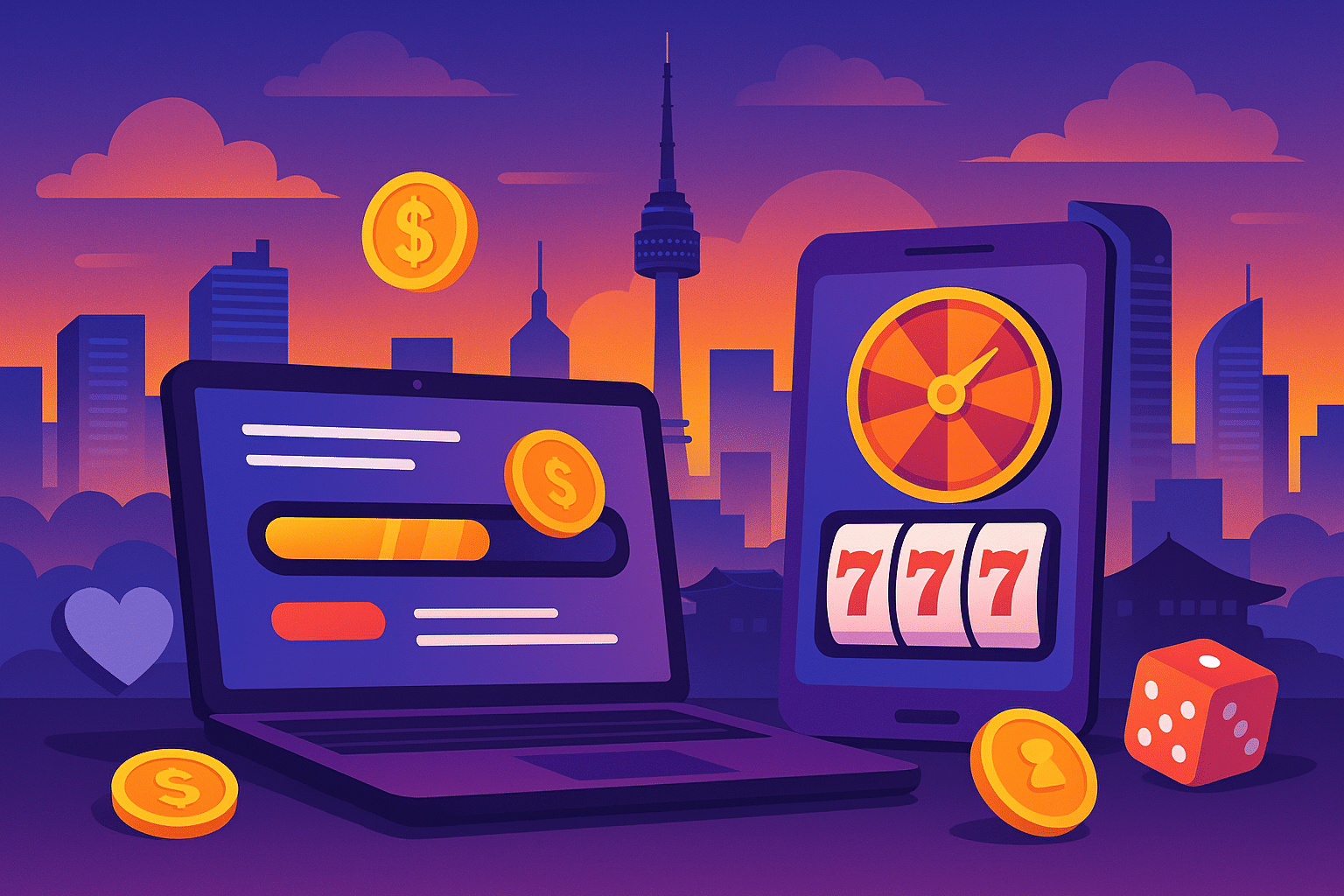
The Night Seoul Glitched (In a Good Way)
I didn’t mean to fall in love with Korean tech. I only meant to check my email and go to bed. But then a friend sent me a link — one of those late-night, “you-have-to-see-this” messages — and suddenly I was swimming through Korean websites so polished, they made Silicon Valley look like a thrift store. One word kept popping up: 메이저사이트. At first, I thought it meant “main site” or “major platform.” But it’s more slippery than that. Somewhere between cutting-edge apps and quiet thrill-seeking, I found a world of funding, features, and… flirtation with games of chance.
And oddly, it all made me think of crowdfunding.
Digital Seoul: Where Algorithms Have Feelings
South Korea is a strange miracle, like if Blade Runner were directed by someone who loved stationery and fried chicken. Everywhere you turn, something is automated, optimized, or gamified. Even the crosswalks talk to you. But this isn’t just about flash. It’s about form and function living in harmony.
Where we slap together platforms and figure out user experience later, Korea whispers to its citizens with elegant design and predictive personalization. It features you didn’t even know you wanted — until they were already there, making you feel seen.
Their donation platforms are smooth like jazz, with reward systems so subtle you don’t realize you’re being incentivized. It’s not manipulative. It’s… charming.
And sometimes? It even feels like a game.
The Gamification of Generosity
Let me ask: If someone told you that donating to a cause could earn you points, unlock secret thank-you messages, or enter you in a mystery draw? Would you say no?
In Korea, platforms have started weaving those ideas into charity, not in a tacky way, but in a “why didn’t we do this sooner?” way.
Imagine this: You donate $10, and a little icon jumps. You hear a soft chime. A small digital plant grows on your screen. Next time you donate? Another leaf. Then a flower. You’re growing your own digital garden of kindness.
It’s playful. But also addictive in the best possible way.
Now think: how far is that feeling from a slot machine? The mechanics aren’t so different — small input, dopamine hit, potential reward. One uplifts a village. The other… well, we’ll get there.
Crypto Meets Crowdfunding in the Land of the Calm Server
Another thing Korea does well is crypto. Not just for hype—for infrastructure. Korean fundraising platforms are already experimenting with blockchain-based donation records, transparent funding trails, and even NFT-style thank-you badges. You give, and you get something traceable—a digital pat on the back, forever engraved in the chain.
That blend of tech and trust could be crowdfunding’s missing link. And it’s no surprise it’s coming from a place where the average 14-year-old already knows how to set up a crypto wallet between Fortnite matches.
Now, slide that same tech just one inch to the left… and it’s powering online raffles, gacha-style games, and—yes—those sleek, legally grey casino-like experiences.
It’s not the tools. It’s the intention.
Whispers Behind the Code
If you hang around Korean forums long enough, you start to hear it — the quiet conversation about platforms that offer “chances” or “surprises” for user engagement. They aren’t branded as gambling. But they’re not not, either.
You might donate to a content creator and receive a random bonus. You might support a small business launch and get entered into a “digital lucky box” system. The lines blur.
Are you helping someone? Yes. Are you enjoying a thrill? Also, yes. Is it ethical? It depends on who asks.
But here’s the thing: users love it. It increases participation. It turns giving into a relationship, a rhythm, a game.
And isn’t that what crowdfunding sometimes struggles with? Keeping momentum, avoiding fatigue, and making people feel like their small part matters?
Gloucester, Vancouver, Seoul — Same Sky, Different Wi-Fi
You might be sitting in New Jersey or Manchester or Brisbane wondering, “Okay, cool, but what does this mean for me?”
Well, here’s the spicy part.
All these little mechanics? The spinning wheels, the loot-box metaphors, and the chance-based perks could be layered onto Western crowdfunding platforms tomorrow. And not in a shady way.
Imagine if your community fund for restoring the local library offered milestone unlocks. First 100 donors? Special audio thank-you. First $500 raised? Local artist creates a limited-run digital badge. Every share of the campaign? Adds a “light” to a growing constellation shown on the homepage.
Suddenly, you’re not just giving. You’re playing toward progress.
And maybe… just maybe… the same systems that get people hooked on online games could also hook them on doing good.
What About the Elephant in the Data Center?
Let’s talk about the danger.
The moment you introduce chance, reward, and unpredictability, you dance near a line. Some will say you’re gamifying generosity, while others will tell you you’re commercializing kindness.
That’s fair.
But here’s my view: people are tired. Distracted and pulled in ten thousand directions. You need to make fundraising feel, not just understood. You need to give people a reason to return. And if that means you borrow a little interface logic from the casino world, as long as your ethics are intact, you’re not selling out.
You’re leveling up.
The Empathy Engine
I believe digital tools aren’t good or bad—they’re amplifiers. Korea has shown what happens when empathy and engineering meet.
Whether you’re building an AI chatbot that thanks donors by name or a community board that feels alive with color and motion, the lesson is clear:
People respond to experience.
And if that experience includes a little thrill, surprise, badge, and bonus, so be it. As long as it nudges us closer to generosity rather than greed, I say bring on the bells and whistles.
A Soft Glimpse at the Future
I’ll be honest — there are still nights I find myself on a Korean donation platform at 22 AA.M.M, but I’m not entirely sure whether I’m funding an artist or entering a very polite lottery.
But I don’t mind. Because either way, I’m part of something. And the app makes me smile.
And isn’t that the point?
We don’t just give because it’s logical. We give because we’re moved, because it feels good. After all, the story touches something inside us.
And if a 메이저사이트 can use innovative design and subtle gameplay to turn strangers into supporters, then maybe we’re not that far behind — just in need of a little Seoul in our systems.