Finding the Perfect Supplement: What Your Body Needs (And What to Avoid)

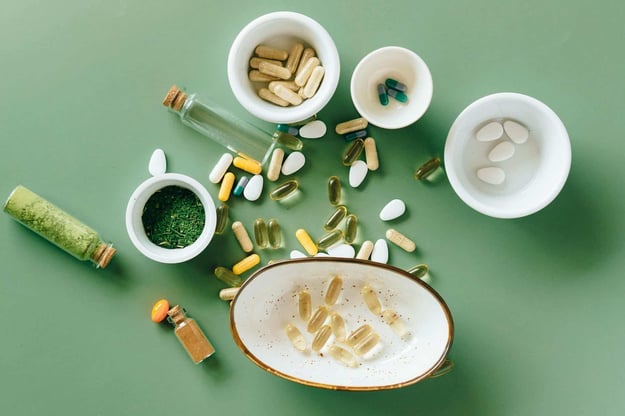
Walk into any health store or scroll online, and you’re met with rows of supplements promising better sleep, stronger immunity, glowing skin, or sharper focus. With thousands of options, it’s easy to feel as if you need everything. While many supplements can support your health, not all of them are created equal. Some may not be necessary. Others could do more harm than good.
So, how do you choose the right ones? It starts with understanding what your body truly needs and knowing which red flags to watch out for. This guide will help you navigate the supplement space, make informed choices, and focus on quality over hype.
Listen to Your Body Before the Labels
Before reaching for the latest trending supplement, take a moment to assess what’s really going on with your body. Are you low on energy every afternoon? Have you recently changed your diet or started feeling more stressed than usual? These could be signs of a nutritional gap, but they could also point to other health concerns. It’s important not to self-diagnose. A basic blood panel and a consultation with a healthcare provider can often give you a clearer picture. Supplementing without understanding your needs can lead to imbalances or side effects.
Choose Trusted Brands with Transparent Practices
In a market crowded with flashy labels and bold promises, brand integrity matters more than ever. Not all supplements go through the same level of testing, and many don’t contain what they claim on the label. That’s why choosing products from reliable, transparent companies is critical.
Melaleuca: The Wellness Company, founded by Frank VanderSloot, is one name that stands out. With more than 400 wellness products available globally, they’ve earned their reputation by maintaining quality and consistency. The company is known for its commitment to safety, sustainability, and customer trust.
You’re probably thinking: “But where can I buy melaleuca products?” You can simply visit their website and order online!
Whether it’s a busy season or a natural disaster, Melaleuca consistently delivers what it promises—no excuses. That level of dedication speaks volumes in an industry where reliability can be rare.
When you choose a supplement, you’re trusting a company with your health. Make sure that trust is well placed.
Know the Difference Between “Natural” and “Effective”
Many people associate the word “natural” with safety. While the appeal of plant-based or herbal supplements is strong, “natural” doesn’t always mean effective or harmless. Some natural ingredients lack scientific backing. Others can interact with medications or cause allergic reactions. Instead of focusing solely on whether something is natural, look for ingredients that are clinically studied and backed by real results. A natural supplement that hasn’t been tested or dosed properly can be just as risky as a synthetic one.
Don’t Ignore the Dosage
Just because a label says something is healthy doesn’t mean more of it is better. In fact, high doses of certain vitamins or minerals can be harmful over time. For example, taking too much vitamin A can lead to liver damage, and large doses of iron can cause stomach problems or worse. The body can only absorb so much at once. Anything beyond that is wasted—or worse, harmful. Always check the recommended daily intake and compare it to what’s listed on the bottle.
Watch for Fillers, Additives, and Fake Claims
When reading a supplement label, the main ingredients aren’t the only thing to focus on. Watch out for what’s hidden in the fine print. Many lower-quality supplements are packed with artificial colors, chemical preservatives, unnecessary binders, or flavoring agents that serve no health purpose. These additives can cause side effects in sensitive people and signal poor manufacturing standards. Be wary of supplements that promise instant results or dramatic transformations. Claims like “cure-all” or “overnight fat burner” are usually more marketing than science.
Personalize Based on Age, Diet, and Lifestyle
What works for someone else may not work for you, and it’s important to understand this. Your individual needs depend heavily on your age, diet, activity level, and even where you live. For example, older adults often require more vitamin D and calcium to support bone health. Meanwhile, vegans may need vitamin B12 or iron since these nutrients are harder to get from a plant-based diet. Athletes may need electrolytes or protein, while someone working night shifts might benefit from magnesium or melatonin to support rest. Customizing your supplement routine to your lifestyle is not only smarter—it makes the results more noticeable.
Know What to Avoid Altogether
Not every supplement on the shelf is safe, and some should be avoided entirely. Many over-the-counter products—especially those marketed for quick weight loss, muscle gain, or sexual enhancement—can contain undisclosed ingredients. Some have been found to include steroids, stimulants, or unregulated chemicals. Others may not be adequately tested, leading to risks of contamination. Just because a product is legal doesn’t mean it’s safe. Checking reviews, third-party testing certifications, or FDA advisories can help steer you away from potentially dangerous options. When in doubt, leave it out. Your health isn’t worth gambling on flashy claims or sketchy formulas.
Supplements Are Just That – Supplements
A supplement is meant to support your health, not replace a healthy lifestyle. No capsule, powder, or gummy can take the place of a balanced diet, regular exercise, and proper sleep. It’s tempting to rely on pills when life gets hectic, but the foundation of your well-being should always be real food and self-care. Supplements are there to bridge small gaps, not act as a crutch. When you start treating them as add-ons to an already strong routine, you’ll find they work far better than if you use them as shortcuts.
Monitor Your Body’s Response
Even when you choose high-quality supplements, your body might respond in unexpected ways. Some people experience stomach issues, headaches, or skin reactions, depending on the ingredient or dosage. That’s why it’s important to monitor how you feel after introducing something new. Are you sleeping better? Is your digestion more stable? Or are you noticing discomfort or fatigue that wasn’t there before? Keep track and be willing to pause or stop if something doesn’t feel right. Everyone reacts differently, and your personal response is more important than any label promise.
Navigating the supplement world doesn’t have to be overwhelming. By staying informed, tuning into your own needs, and choosing products carefully, you can build a routine that actually works for you.
It’s necessary to understand that personalization, awareness, and quality matter far more than hype or volume. Supplements should support your well-being—not confuse it. When you take the time to choose wisely and listen to your body, you set yourself up for real, lasting health, not just a temporary boost.