Figma Shares Fall on AI Costs Despite Revenue Beat
 5 min read
Figma’s stock has continued to command investor attention in August 2026, building on a volatile summer marked by strong AI-driven revenue growth but mounting infrastructure costs. The design software company has seen its shares swing sharply following an earnings report that highlighted surging demand for AI-powered features, even as the underlying expense of delivering those capabilities weighed on near-term profitability.
The story unfolds against a backdrop of broader industry shifts, as AI tools like Anthropic’s Claude Code reshape design and development workflows. Figma is not alone in navigating this transition. New products, regulatory developments, and even high-profile endorsements are converging to redefine how design software companies compete in an AI-native era.
Figma’s AI-Driven Momentum Meets Cost Reality
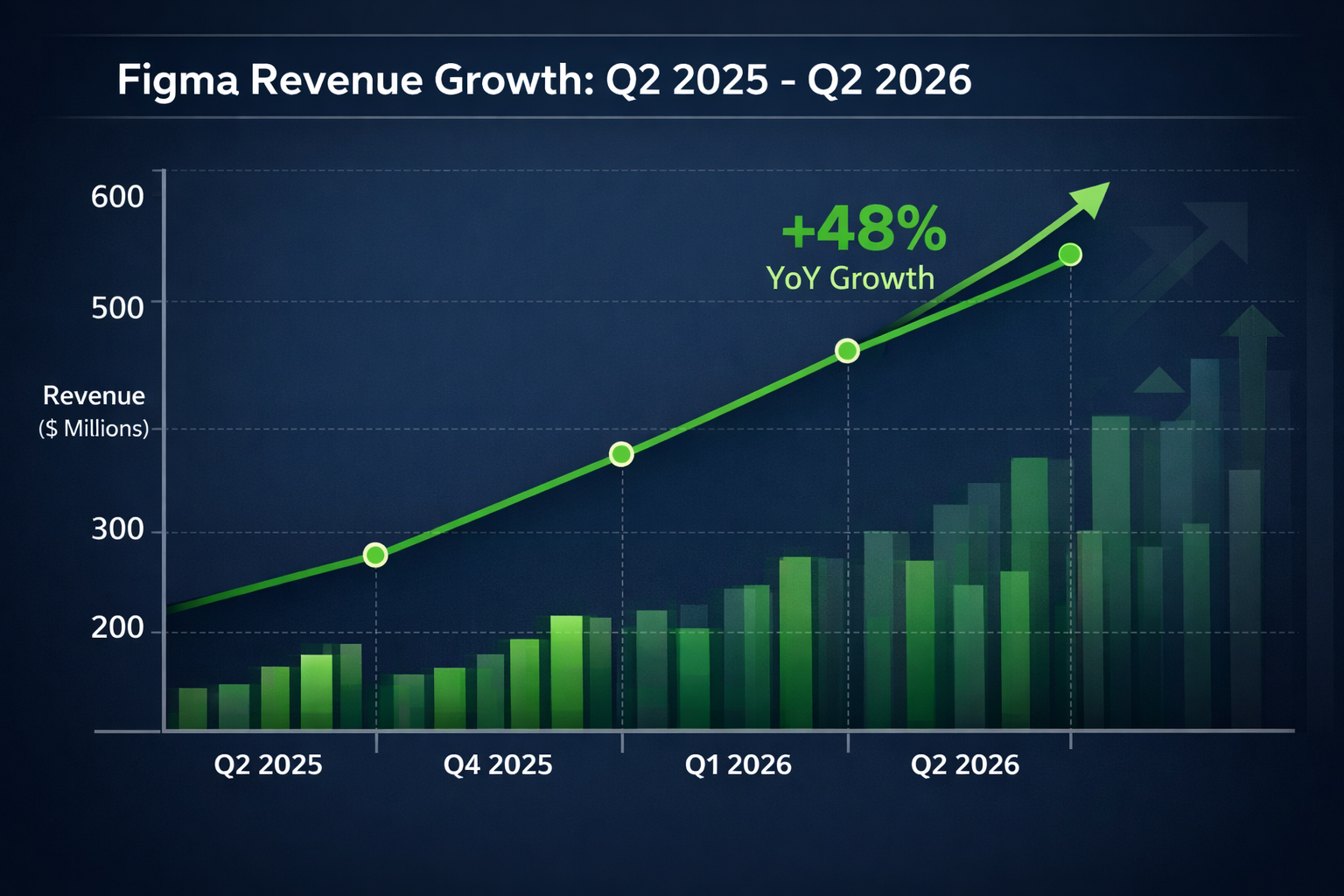
Figma reported second-quarter revenue of $370.1 million in early August, up 48% year over year and above its own guidance range, but the stock dropped sharply in after-hours trading as investors reacted to surging AI-related expenses. Adjusted earnings per share of $0.08 topped Wall Street’s $0.04 estimate, yet the market focused on the company’s heavier spending on AI infrastructure.
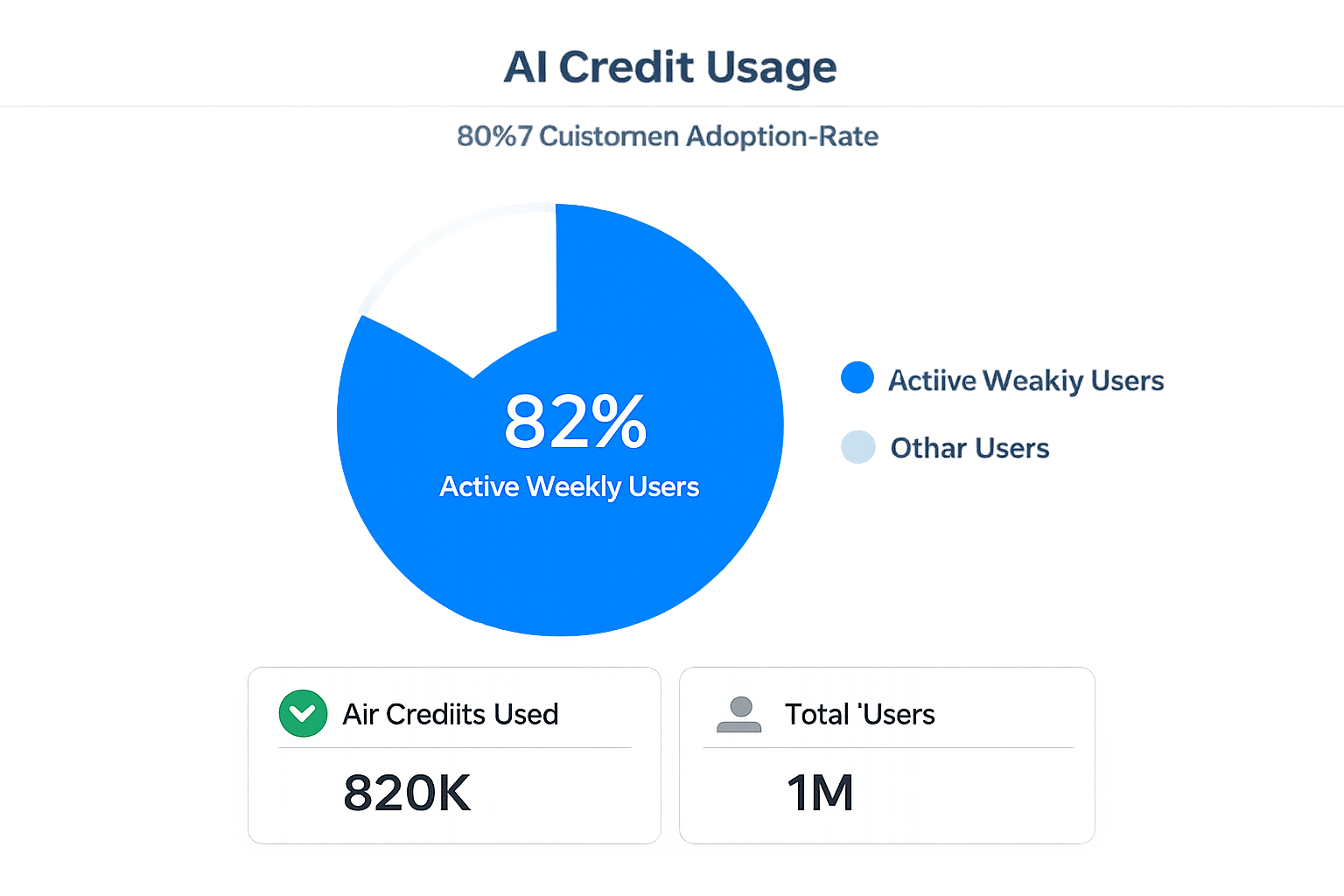
Figma lifted its full-year revenue target to between $1.463 billion and $1.467 billion, a $40 million increase from prior guidance, signaling confidence in continued customer adoption of AI features. Over 80% of paid customers with more than $10,000 in annual recurring revenue were consuming AI credits on a weekly basis as of June 30, and more than 50% of that same customer cohort were using the Figma agent weekly as of July 31, demonstrating strong engagement with the company’s first-party AI capabilities.
Despite beating expectations on both revenue and earnings, Figma stock dropped 16.52% in after-hours trading following the August earnings release. The stock had previously risen 37.4% in July 2026, a gain driven largely by Figma joining the Russell family of indexes at the end of June, which triggered automated buying from index funds and ETFs.
Anthropic Introduces Invisible Watermarking to Claude
While Figma grapples with AI economics, Anthropic has quietly rolled out a transparency feature that affects all Claude users, including those leveraging Claude Code for development work. The AI company embedded machine-readable invisible watermarks in generated text to align with European Union AI Act transparency requirements, according to reports from Forbes Japan.

The watermark applies across all Claude products, including Claude Code, and operates without a user-facing toggle to disable it. This move underscores the growing regulatory pressure on AI providers to make generated content identifiable, even as the technology becomes more deeply integrated into professional workflows.
Bill Gates Praises Claude Code’s Programming Capabilities
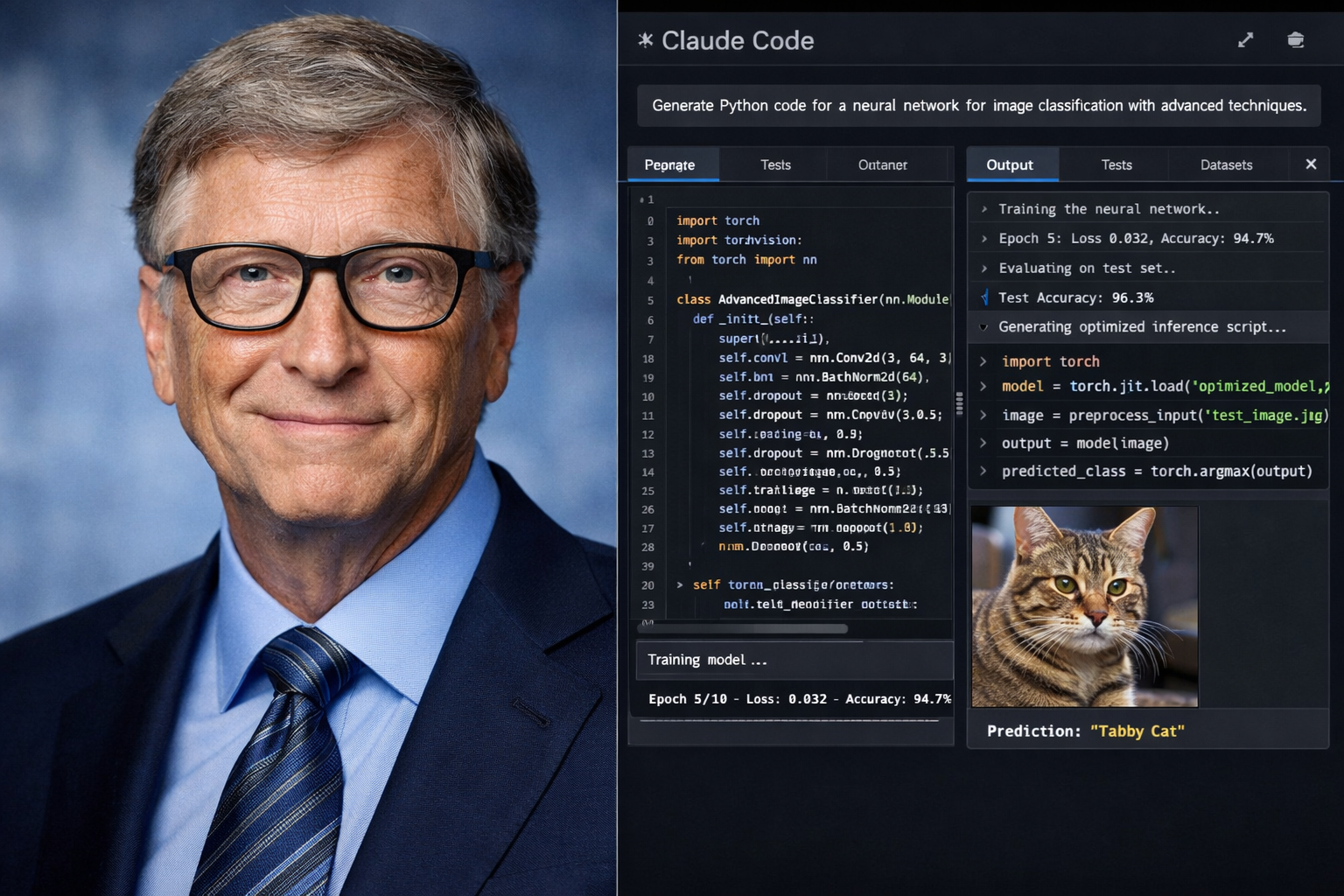
The profile of Claude Code received a significant boost when Bill Gates publicly credited the tool with surpassing his own programming abilities. According to Russian news outlet M24.ru, Gates made the remarks after observing what the Anthropic tool can accomplish in real-world coding scenarios. The endorsement from one of the technology industry’s most influential figures signals the extent to which AI-assisted development has matured.
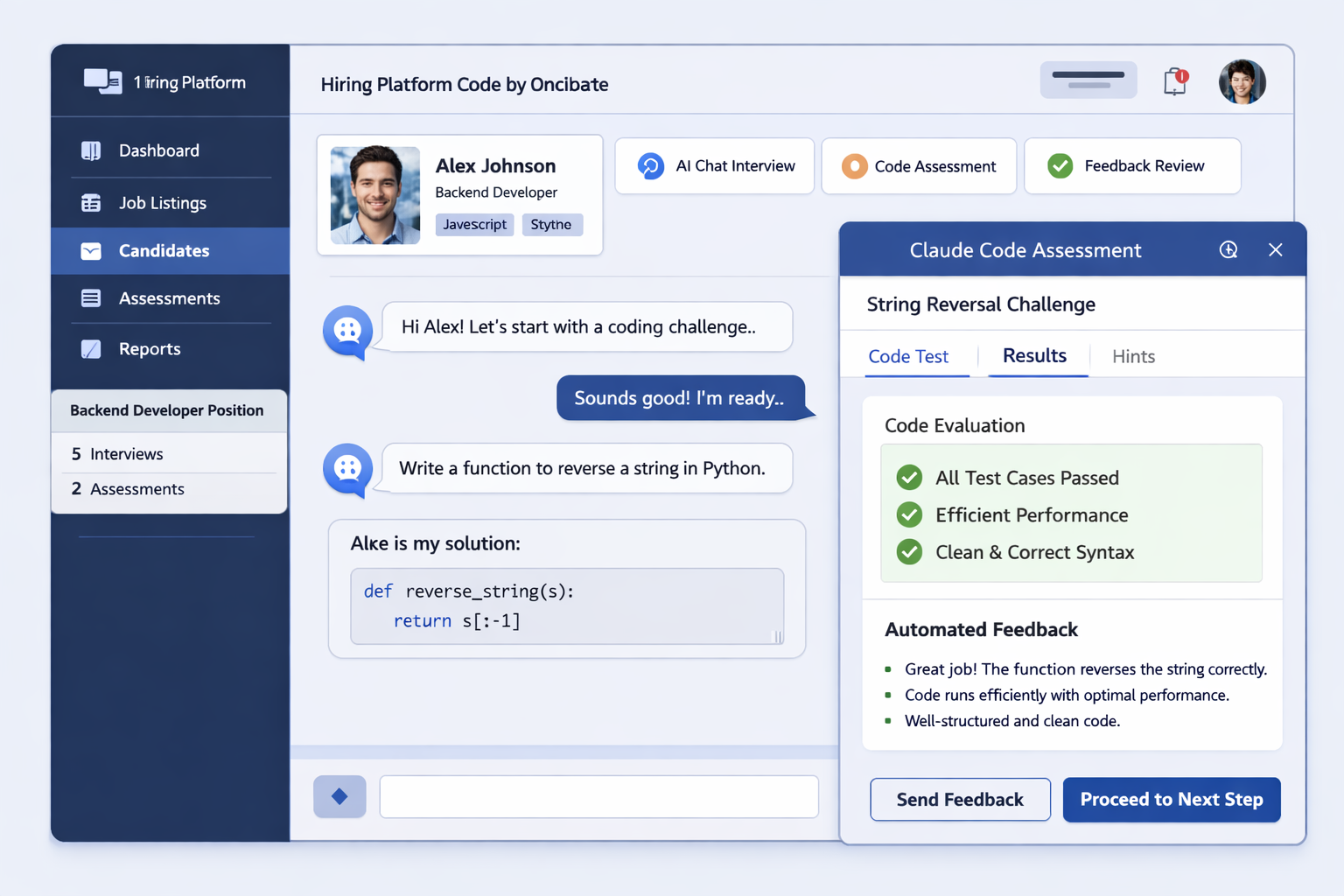
Claude Code’s reach is extending beyond individual developers. South Korean platform Jinhaksa Catch recently launched an AI skills assessment that uses Claude Code-based vibe coding, allowing job applicants to complete work evaluations through conversational AI interactions. The deployment demonstrates how AI coding assistants are being embedded into hiring and talent evaluation processes.
New AI Design Tools Enter the Market
As Figma defends its position as a leading design platform, new competitors are emerging with AI-first approaches. Chinese technology publication GeekPark covered the launch of OJO, which positions itself as an AI design workspace for product thinking, UI design, iteration, and code delivery. The product aims to unify design teams and code handoff in a single environment, reflecting a broader trend toward integrated workflows that blend design and development.
The emergence of tools like OJO highlights the pressure Figma faces to justify its AI infrastructure investments. While the company has successfully monetized AI credits and maintains strong customer retention metrics, newer entrants are building their platforms around AI from the ground up, potentially avoiding some of the cost challenges that legacy players face as they retrofit existing architectures.
Market Outlook Remains Mixed
Figma’s stock is currently down 79% from the first-day closing price in August 2025, despite the July rally and continued AI momentum. Analysts have offered conflicting signals, with Bank of America raising its price target to $33 from $30 in mid-August while the stock continues to experience volatility.
The central tension for investors is whether Figma’s AI-driven growth can outpace the costs required to deliver it. Gross margin improved to 85%, and net dollar retention remained high at 136% in the second quarter, suggesting the underlying business model remains healthy. However, the path to profitability in an AI-intensive operating environment remains uncertain.
Key Facts
- Figma reported Q2 2026 revenue of $370.1 million, up 48% year over year, beating analyst estimates of $352 million
- Over 80% of Figma’s paid customers with more than $10,000 in annual recurring revenue were using AI credits weekly as of June 30, 2026
- Anthropic added invisible watermarking to all Claude products, including Claude Code, to comply with EU AI Act transparency rules
- Bill Gates credited Claude Code with surpassing his own programming abilities in public remarks
- Figma stock rose 37.4% in July 2026 but remains down 79% from its August 2025 IPO closing price
- Jinhaksa Catch launched an AI skills assessment using Claude Code-based vibe coding for job applicants
Sources
- Forbes Japan: Anthropic adds invisible watermarking to Claude
- M24.ru: Bill Gates says Claude Code has surpassed him in programming
- Sedaily: Jinhaksa Catch launches AI skills assessment
- SaaS Rise: Figma stock remains in focus after AI-driven rebound