Building in the Last Frontier: Essential Considerations for Your Dream Home in Alaska
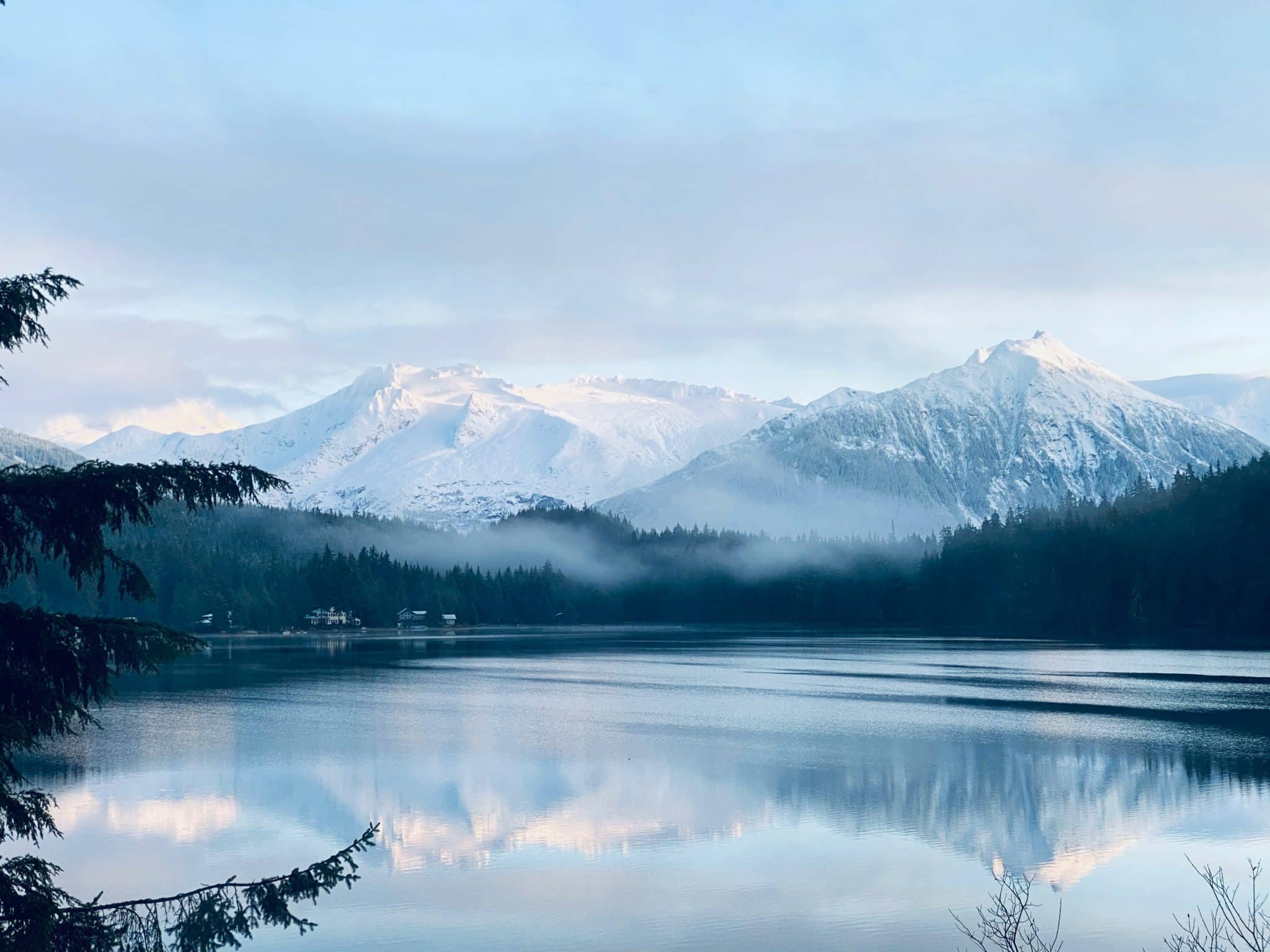
Alaska is an extraordinary place. With its vast wilderness, awe-inspiring mountains, and untamed beauty, it is no wonder that many dream of making the Last Frontier their home. Whether you are drawn to the rugged landscapes, the quiet of the great outdoors, or the adventure of living in a remote setting, building a dream home in Alaska is a unique and thrilling endeavor. However, there are critical factors that anyone considering building in this northernmost state must keep in mind to ensure success in the project.
Understanding Alaska’s Unique Climate and Its Impact on Construction
Alaska’s climate is one of its defining characteristics, but it also presents significant challenges for building. The state’s weather varies widely, from the freezing cold winters in the interior to the milder coastal regions. The temperature alone can affect construction materials, insulation needs, and the type of foundation required.
During the winter months, temperatures can plummet well below zero, which means that homes need to be built to withstand extreme conditions. This requires not just adequate insulation but also high-quality windows, doors, and roofing that can handle heavy snow loads and resist heat loss. Building a solid foundation, often requiring deeper footings due to the frost line, ensures that the structure remains stable despite freezing ground and shifting permafrost.
Choosing the Right Location: Accessibility and Terrain
When choosing a location for your new home in Alaska, accessibility is a key consideration. While you may be enchanted by the idea of living deep in the wilderness, it is important to ensure that the site is accessible for both construction and future living. Many remote properties are accessible only by air, boat, or snowmobile during certain seasons, so the proximity to roads or other transportation methods is an essential factor.
The terrain also plays a significant role in your decision. Alaska’s vast and varied landscapes include mountainous regions, coastal areas, and expansive flatlands. Each of these terrains comes with its own set of challenges when it comes to construction. Mountainous areas may require excavation and special foundation techniques, while coastal locations could require additional considerations for moisture resistance and potential flooding.
Navigating Building Codes and Permitting Process
Building a home in Alaska is governed by specific building codes and zoning laws that must be adhered to. Depending on the location, these codes can vary greatly, so it is crucial to work with a local contractor or real estate agent who is familiar with the legal requirements of the region where you plan to build.
In some areas, permits may be required for everything from septic systems to water well installations. Additionally, Alaska’s building codes may take into account unique environmental factors such as seismic activity, heavy snow loads, and the need for wind resistance. An experienced builder will be well-versed in these local regulations and help ensure that your project moves forward smoothly.
Energy Efficiency and Sustainability in Alaska Homes
Due to its northern location, Alaska experiences long winters and relatively short summers. As a result, energy efficiency is a top priority for homeowners in the state. Building a sustainable and energy-efficient home is not only a smart decision for the environment but also for your long-term cost savings.
Many new homes in Alaska are designed with the intent to minimize energy consumption by incorporating energy-efficient windows, high-quality insulation, and airtight construction. Solar panels, geothermal heating systems, and other renewable energy sources are also growing in popularity as part of this shift toward sustainability. Considering the state’s remote areas and fluctuating fuel costs, these energy-efficient measures can drastically reduce the costs of heating and maintaining a home in Alaska.
Land Acquisition and Financing Your Alaska Dream Home
Buying land in Alaska may be more complicated than in other parts of the country. In many cases, land is either privately owned or part of federal or state land managed by the Bureau of Land Management. While it is possible to purchase these lands, the process may take time and involve specific regulations or restrictions. Therefore, partnering with an experienced real estate agent who understands the complexities of Alaskan land transactions is a must.
Once you have secured your property, financing your home construction in Alaska can also present its own set of challenges. Due to the remote nature of many Alaskan properties, lenders may be hesitant to approve loans in certain areas. However, some financial institutions specialize in Alaskan real estate and offer tailored solutions for homebuilders. It’s important to explore your financing options early to ensure you have the necessary funds to complete your project.
Consideration for Customizing Your Alaskan Home Design
Alaska is home to some of the most spectacular landscapes in the world, so it makes sense that homeowners want to create a home that takes full advantage of its surroundings. This means that custom home designs are often a popular choice. When designing your dream home, you will want to think carefully about your needs, lifestyle, and how the house will integrate with the environment.
Many Alaskan homeowners prefer open floor plans that make the most of natural light and maximize the views of the stunning landscapes outside. Whether you are building in the mountains, by the water, or in a remote forest, your design should focus on bringing the outdoors in and ensuring that your home remains comfortable year-round. Consider using large windows to enjoy the breathtaking scenery and make the most of the long daylight hours in summer.
The Importance of Local Expertise
Building a home in Alaska requires local expertise. Contractors who are familiar with the specific challenges of building in the state will be your most valuable resource throughout the project. Whether it’s managing logistics, acquiring building materials, or understanding the regional building codes, having a team with deep knowledge of the Alaskan building environment will ensure that your home construction goes as smoothly as possible.
The selection of architects, builders, and other professionals with experience in Alaskan projects is a crucial factor. Professionals familiar with Alaska’s unique environmental considerations can help you avoid mistakes and deliver a home that’s functional, sustainable, and built to last.
Weatherproofing and Maintenance in Alaska
Once your dream home is built, it’s crucial to think about long-term maintenance. Alaska’s harsh conditions can take a toll on a home’s exterior, so regular inspections and upkeep are necessary to ensure that your investment remains in top condition.
Weatherproofing becomes a priority, particularly when dealing with high winds, heavy snowfall, and extreme temperatures. Strong, durable materials such as metal roofing, storm windows, and insulated doors are must-haves for enduring Alaska’s challenging climate. Maintaining the home’s exterior and ensuring that weatherproofing measures remain intact is essential for avoiding costly repairs down the road.
Conclusion:
Building a dream home in Alaska is an ambitious and exciting venture that requires careful planning, expert knowledge, and a deep understanding of the state’s unique challenges. From understanding the climate and terrain to navigating local regulations and energy efficiency, there are many factors to consider when constructing a home in the Last Frontier.
However, with the right approach, the right professionals by your side, and the right property, you can create a home that offers not just comfort and beauty but also a true connection to one of the most incredible places on Earth. Whether you are looking to build a vacation retreat, a year-round residence, or a family legacy, Alaska has the potential to provide the perfect setting for your dream home.