Anthropic’s Claude Design adds two-way design-code sync
 4 min read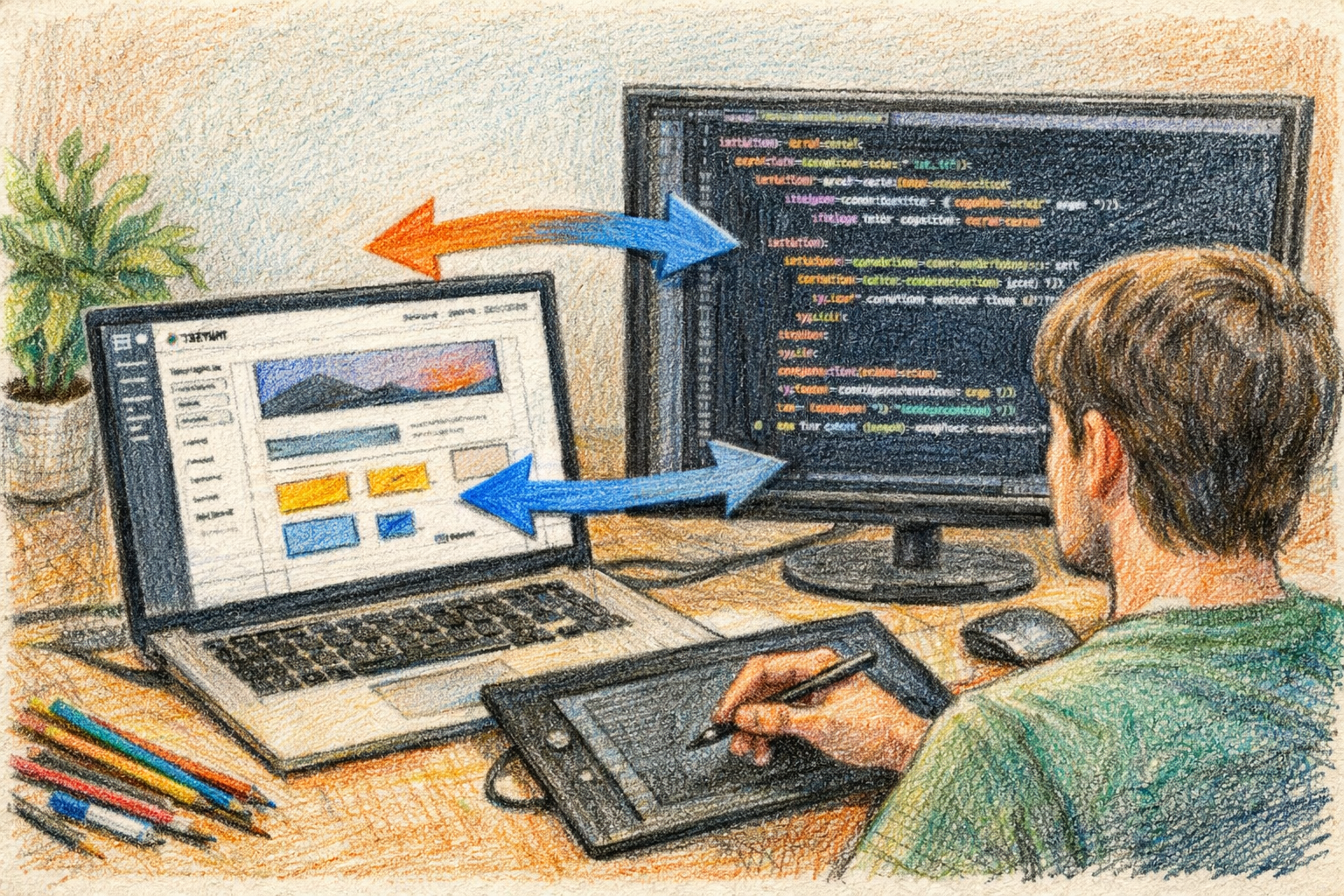
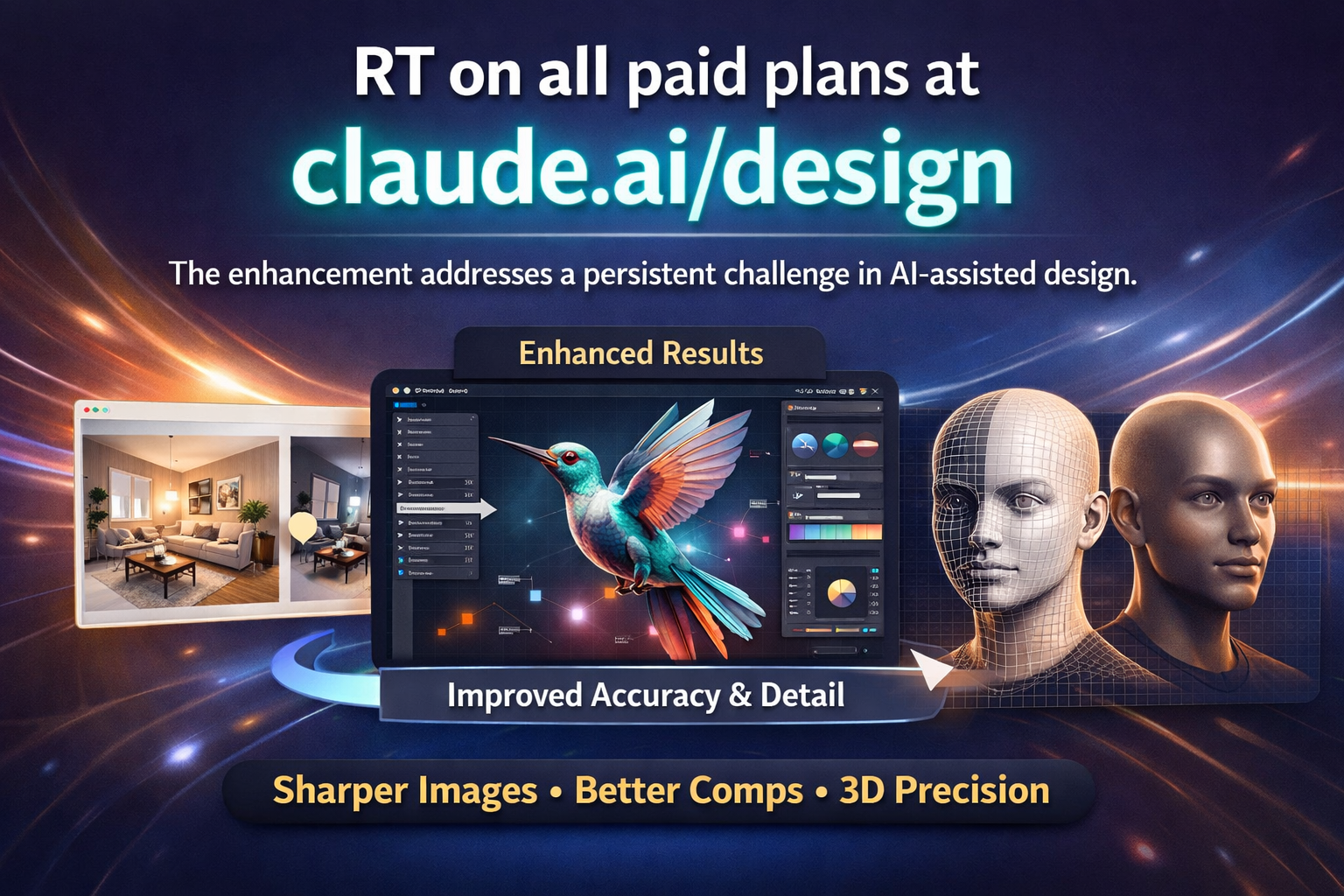
Anthropic has expanded its Claude Design platform with a significant June 2026 update that bridges the gap between visual design and production code. The update adds importable design systems, real WYSIWYG canvas editing, two-way /design-sync with Claude Code, PDF/PPTX export, and desktop support on all paid plans at claude.ai/design. The enhancement addresses a persistent challenge in AI-assisted web design: maintaining brand consistency while moving from prototype to deployed website.
Two-Way Design Sync Between Claude Design and Claude Code
The centerpiece of the June release is the bidirectional synchronization feature between Claude’s design and development environments. Claude Code and Claude Design now sync both ways, allowing users to run /design-sync to pull design systems into repositories or push built components back into Claude Design. This eliminates the traditional friction between designers working in visual tools and developers implementing code.
For teams tired of screenshot ping-pong between designers and agents, this is the most concrete design-to-code bridge Anthropic has shipped. The feature enables product managers to create wireframes in Claude Design, hand them off to Claude Code for implementation, and allow designers to refine the output without rebuilding from scratch.
Importable Design Systems Reduce AI-Generated Design Drift
A core problem with AI-generated web designs has been their tendency toward generic, brand-agnostic aesthetics. The June update tackles this by allowing teams to import existing design systems directly into Claude Design. Claude Design reads user systems rather than generic Tailwind defaults, with generated screens inheriting colors, type, spacing, and component vocabulary to reduce “AI slop UI” drift across projects.
During the initial setup, Claude builds a design system for teams by reading codebases and design files. This approach ensures that subsequent design generations maintain visual consistency with established brand guidelines, making the tool more practical for enterprise teams with existing design standards.
WYSIWYG Canvas Editing Replaces Text-Only Iteration
Before the June update, designers could only refine Claude Design outputs through conversational prompts. Before June, iteration was chat-only, requiring designers to describe changes like “move the CTA left” in prose. The new WYSIWYG canvas editing feature allows direct manipulation of design elements on-screen, making the tool more accessible to product managers and engineers who think spatially but don’t work in design tools full-time.
This shift moves Claude Design closer to traditional design software workflows while maintaining the speed advantages of AI generation. Users can now adjust layouts, typography, and spacing through visual controls rather than relying exclusively on written instructions.
Expanded Export and Deployment Options
The platform now supports multiple export formats to accommodate different workflows. Users can share designs as an internal URL within organizations, save as a folder, or export to Canva, PDF, PPTX, or standalone HTML files. For live website deployment, when a design is ready to build, Claude packages everything into a handoff bundle that can be passed to Claude Code with a single instruction.
The integration extends to hosting platforms, with Claude Code supporting deployment to services like Vercel through built-in connectors. Claude makes changes, commits to GitHub, and Vercel automatically redeploys, with site updates completing in under a minute.
Background: Claude Design Launch and Evolution
Claude Design launched in April 2026 as Anthropic Labs’ answer to “I need a prototype, not a Figma degree”. The initial release focused on conversation-first prototyping powered by Claude Opus 4.7, Anthropic’s most capable vision model. Claude Design is powered by Claude Opus 4.7 and is available in research preview for Claude Pro, Max, Team, and Enterprise subscribers.
The platform supports multiple use cases including product wireframes, pitch decks, marketing collateral, and code-powered prototypes with voice, video, shaders, and 3D elements. The June 2026 update closes the loop between visual design and shipping code, positioning the tool as a complete workflow solution rather than just a prototyping interface.
Key Facts
- Anthropic’s June Claude Design update includes importable design systems, WYSIWYG canvas editing, two-way /design-sync with Claude Code, PDF/PPTX export, and desktop support on all paid plans
- Claude Code and Claude Design now sync both ways, with /design-sync pulling design systems into repositories or pushing built components back into Claude Design
- Generated screens inherit colors, type, spacing, and component vocabulary to reduce “AI slop UI” drift across projects
- Claude Design is powered by Claude Opus 4.7 and available for Claude Pro, Max, Team, and Enterprise subscribers
- Site updates complete in under a minute when deploying through Claude Code’s automated GitHub and Vercel integration
Sources
- Claude Design June 2026: Design Systems & /design-sync
- Introducing Claude Design by Anthropic Labs
- Claude for UX Designers: The Complete 2026 Guide
- Build Websites with Claude Code: No Coding Required (2026)