Anthropic’s Claude Code Auto Mode Goes GA on Major Clouds

Claude Code has reached a significant milestone in its development timeline, with Auto Mode achieving general availability across multiple subscription tiers and enterprise platforms throughout July 2026. The feature, which allows Claude to make permission decisions on behalf of users with built-in safety classifiers, has expanded from its initial beta release to become available on Amazon Bedrock, Google Cloud’s Agent Platform, and Microsoft Foundry, while also reaching Max, Team, and Enterprise subscribers.
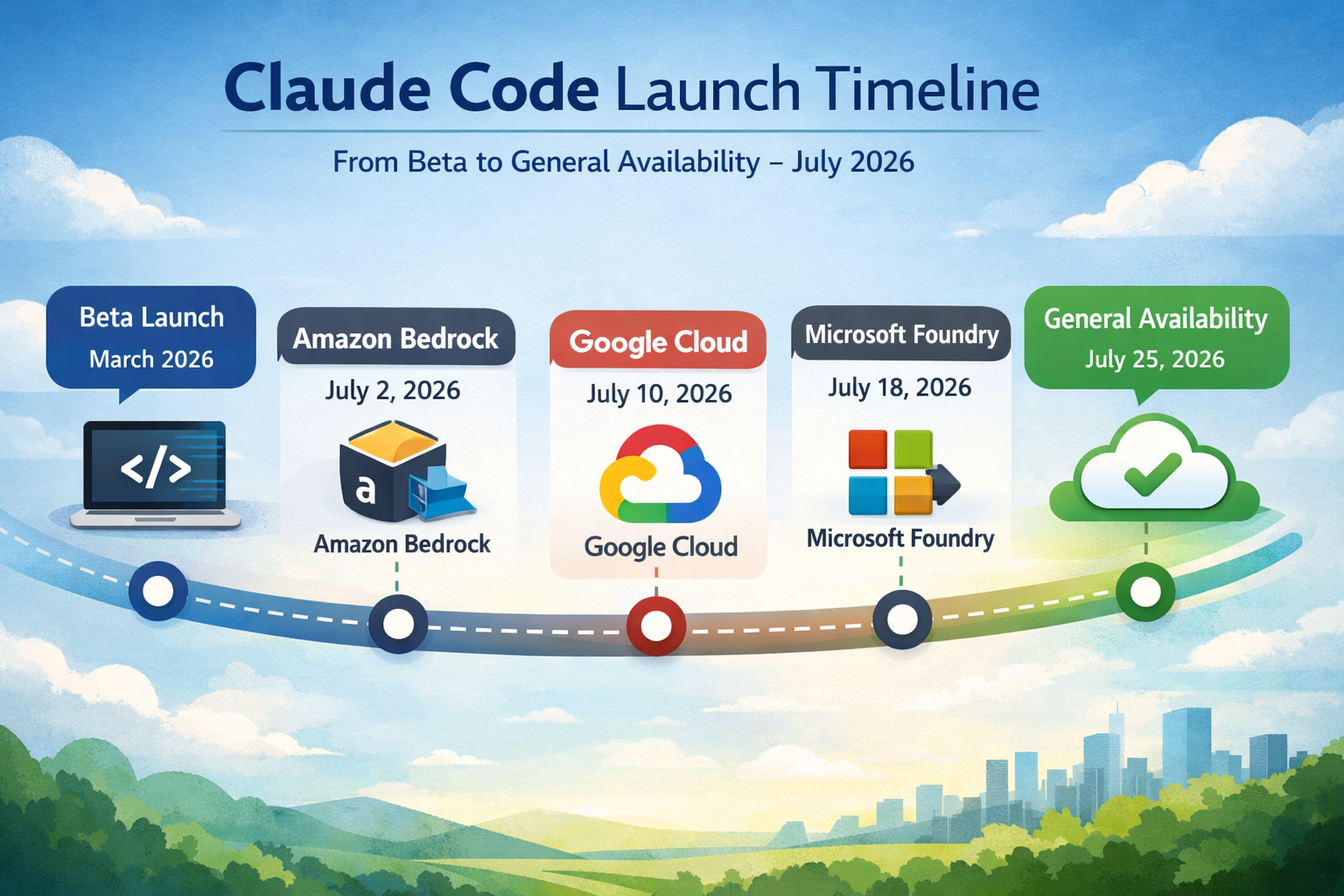
The rollout represents a major shift in how developers interact with AI coding assistants, reducing the constant interruption of permission prompts while maintaining safety guardrails. However, the expansion has also drawn scrutiny from international tech companies and raised security concerns that have shaped corporate adoption policies.
Auto Mode Reaches Enterprise Cloud Platforms
On July 10, 2026, Anthropic introduced auto mode, a new permissions mode in Claude Code where Claude makes permission decisions on your behalf, with safeguards monitoring actions before they run. Version 2.1.207, published July 11, 2026, removed the CLAUDE_CODE_ENABLE_AUTO_MODE environment-variable gate that enterprise deployments previously had to set before the classifier-gated permission system could run on third-party clouds.
The classifier-gated permission system is now the reachable default on the three regulated clouds, and Anthropic’s central admin console can’t switch it off on any of them. This change marked a significant commitment from Anthropic to the auto mode architecture, making it a permanent fixture of the enterprise experience.
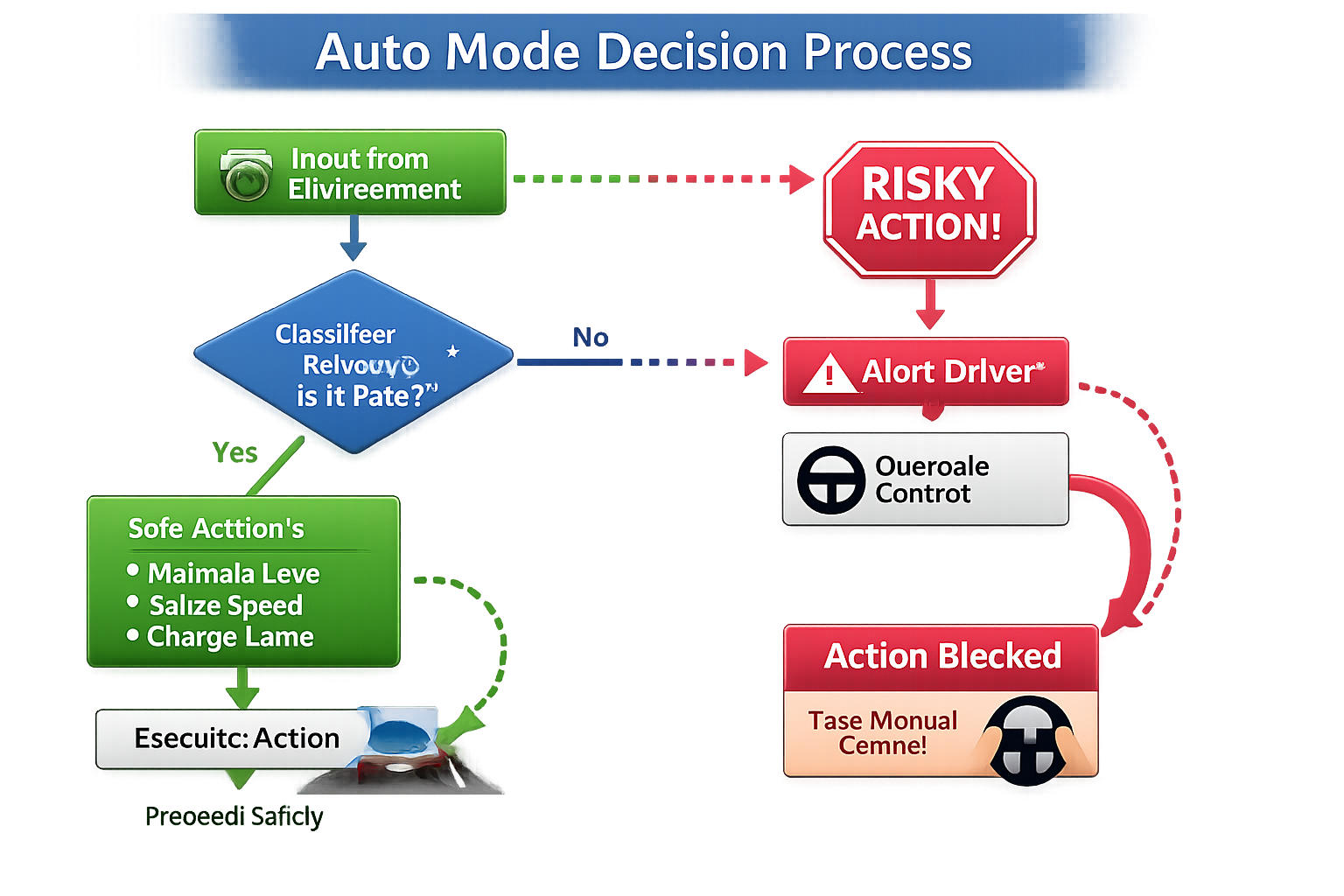
The system works by evaluating each action Claude attempts to take. Actions that the classifier deems as safe proceed automatically, and risky ones get blocked, redirecting Claude to take a different approach. If Claude insists on taking actions that are continually blocked, it will eventually trigger a permission prompt to the user.
Security Enhancements and Safeguards
Recent updates have strengthened Auto Mode’s security posture. Since v2.1.205 (the July 3 release window), auto mode also blocks writes to Claude Code’s own session-transcript .jsonl files, an anti-tampering rule added because a poisoned transcript entry would contaminate every later classifier check in a resumed session.
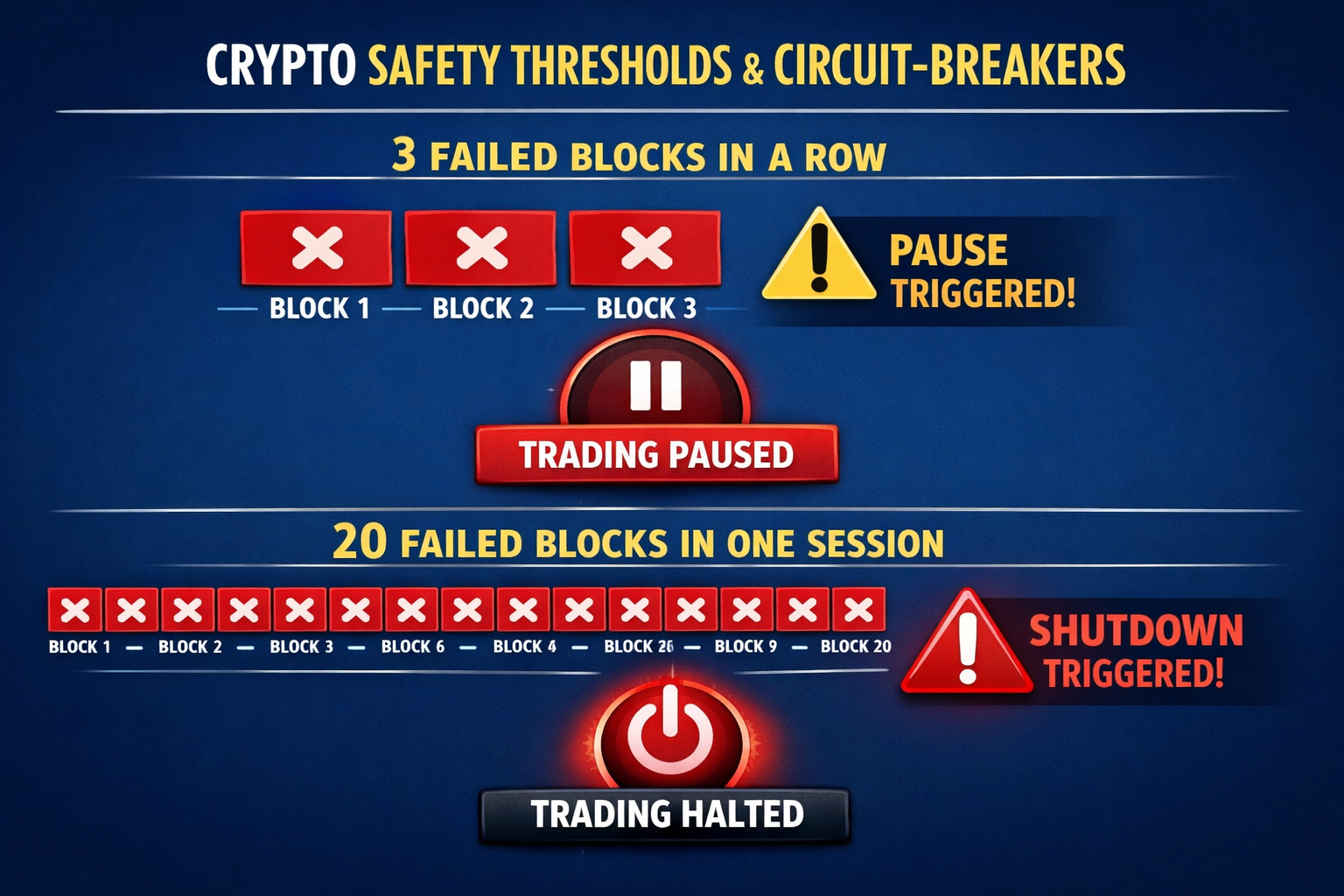
The feature includes multiple safety mechanisms to prevent runaway automation. If the classifier blocks the same action three times in a row, auto mode pauses itself and Claude Code reverts to prompting the human. The threshold is not configurable. Twenty classifier blocks in one session also trips the breaker.
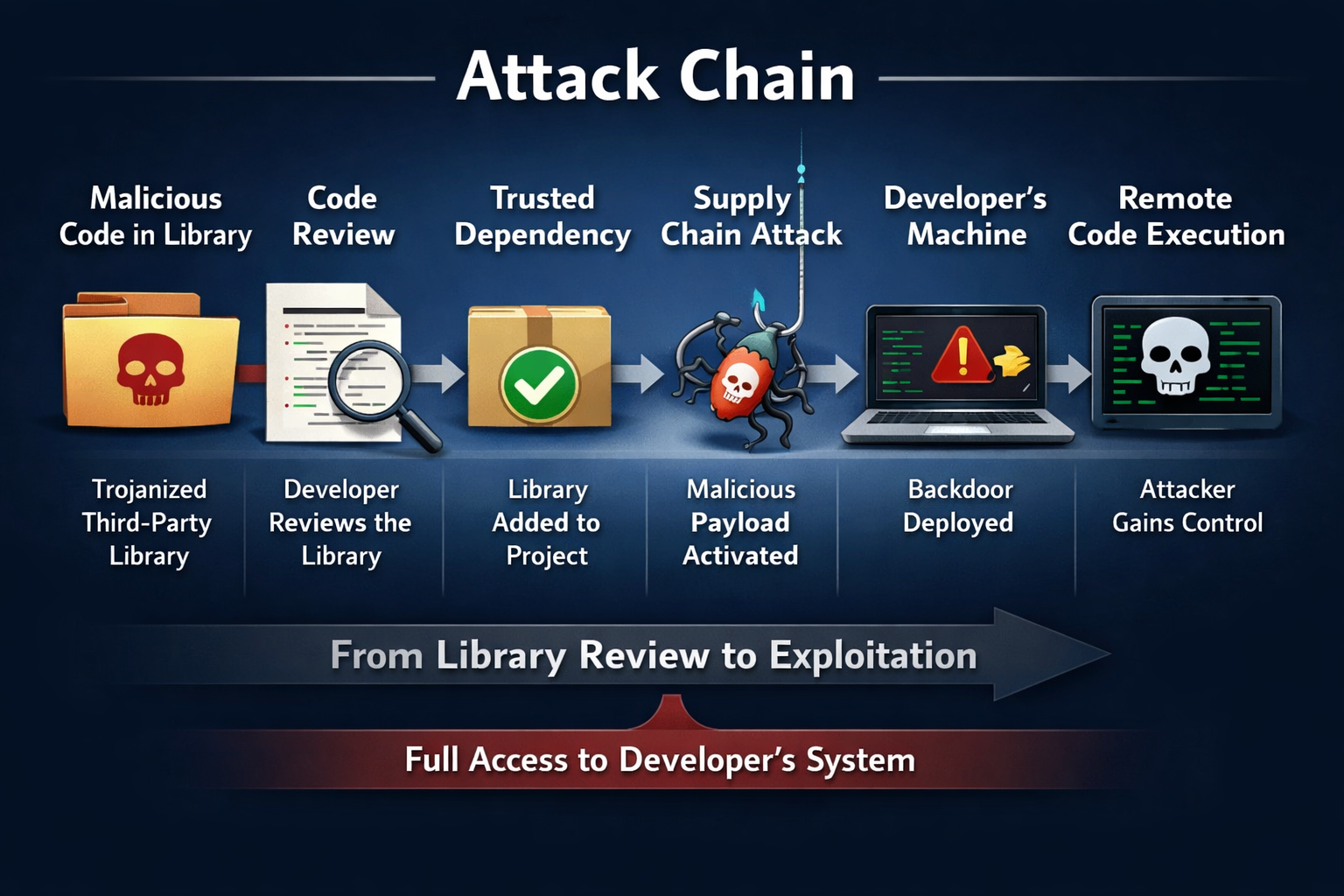
Despite these safeguards, security researchers have identified potential vulnerabilities. A newly-disclosed exploit in Claude Code’s ‘auto-mode’ leaves developers facing remote code execution (RCE) vulnerabilities during third-party library reviews. The AI Now Institute disclosed a proof-of-concept demonstrating how a routine third-party code review can be weaponised into a full host compromise on the machine running the AI coding agent.
Competitive Landscape and International Response
The Claude Code timeline has intersected with broader geopolitical tensions in the AI industry. Alibaba says its Qwen3.8-Max model can work unsupervised for long stretches and directly compares its capabilities to Claude’s agentic coding/workflow abilities, making this one of the newest major stories tied to Claude-style AI automation and coding assistants.
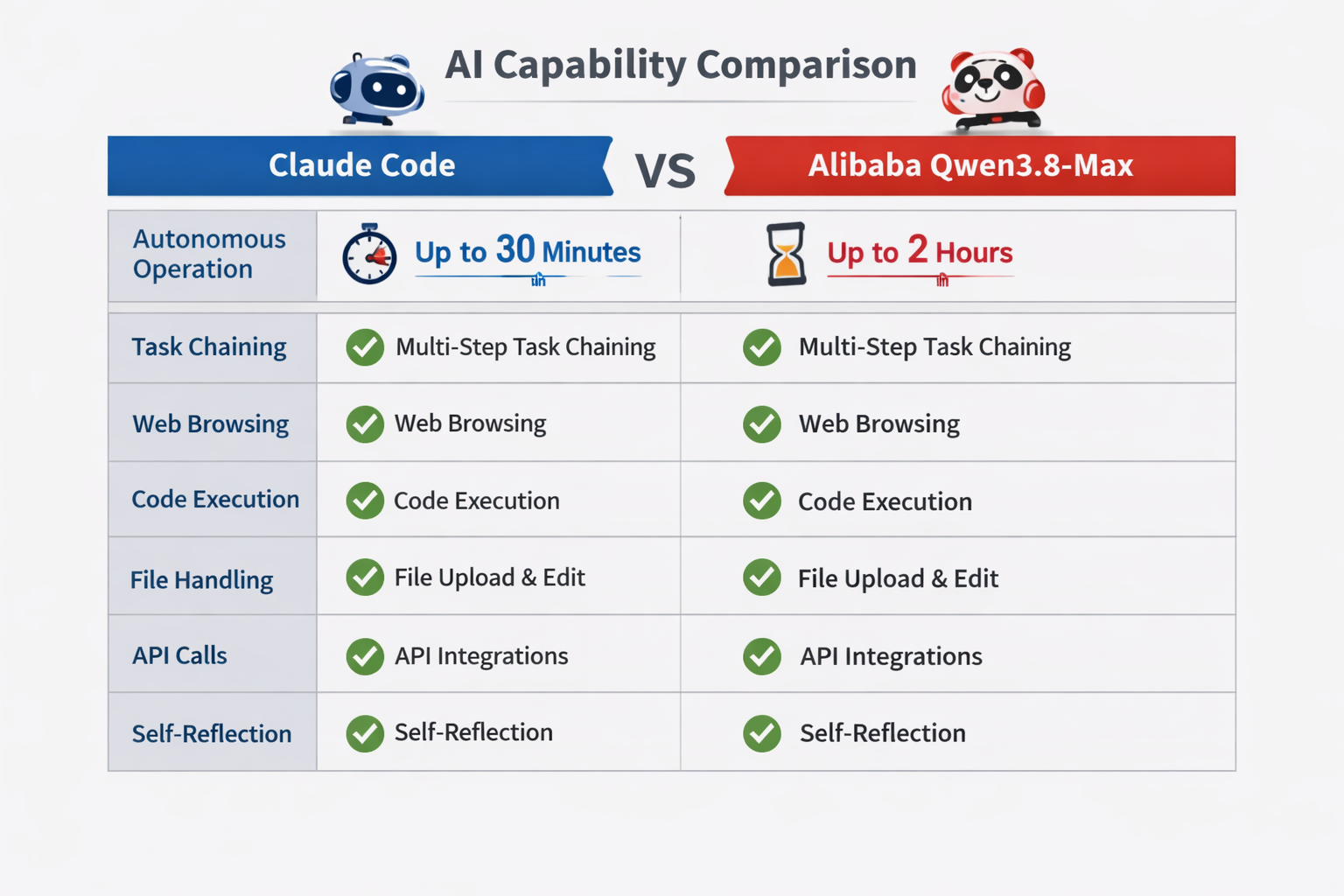
Chinese technology companies have responded to Claude Code’s capabilities with both competitive offerings and security concerns. Reports indicate that Alibaba has taken a restrictive stance toward Claude Code deployment, citing potential data security issues and competitive considerations in the rapidly evolving AI assistant market.
Recent Feature Additions
Between July 13 and 17, 2026, Artifacts gained the ability to call MCP connectors, allowing a published artifact to pull live data and take actions through each viewer’s own MCP connectors when they open the page. The same week also added public sharing links, editor roles on Team and Enterprise, and artifacts created from Claude Tag sessions.
On July 16, 2026, /fork now copies your conversation into a new background session while you keep working. The in-session subagent it used to launch is now /subtask. Added claude auto-mode reset to restore the default auto-mode configuration, with a confirmation prompt. The update also introduced session-wide limits on WebSearch tool calls and per-session caps on subagent spawns to prevent runaway automation loops.
Accessibility improvements arrived the same week. On July 13, 2026, screen reader mode was added as an opt-in plain-text rendering for screen reader users. Users can run claude –ax-screen-reader, set CLAUDE_AX_SCREEN_READER=1, or add “axScreenReader”: true to settings.
Key Facts
- July 10, 2026: Auto Mode officially introduced for Claude Code with classifier-based permission system
- July 11, 2026: Version 2.1.207 removed enterprise opt-in gates for Amazon Bedrock, Google Cloud’s Agent Platform, and Microsoft Foundry
- July 13-17, 2026: Artifacts gained MCP connector integration, screen reader mode launched, and /fork command introduced for background sessions
- Safety mechanism: Auto mode automatically pauses after three consecutive blocked actions or twenty total blocks per session
- Security update: Version 2.1.205 added anti-tampering protection for session transcript files
Looking Ahead
The rapid deployment of Auto Mode across enterprise platforms and subscription tiers reflects Anthropic’s confidence in the classifier-based permission system, despite ongoing security research and competitive pressures. Auto mode reduces risk compared to –dangerously-skip-permissions but doesn’t eliminate it entirely, and Anthropic continues to recommend using it in isolated environments.
The feature’s expansion coincides with broader industry trends toward agentic AI systems capable of extended autonomous operation. As competitors like Alibaba develop similar capabilities and security researchers continue to probe for vulnerabilities, the balance between automation convenience and safety controls remains a central concern for enterprise adoption.
Sources
- Claude Code Timeline: Release Date and Major Updates – Script by AI
- Auto mode for Claude Code – Claude by Anthropic
- Claude Code Auto Mode Lands on Bedrock and Vertex AI – Digital Applied
- Developers face RCE via Claude Code ‘auto-mode’ exploit – Developer Tech