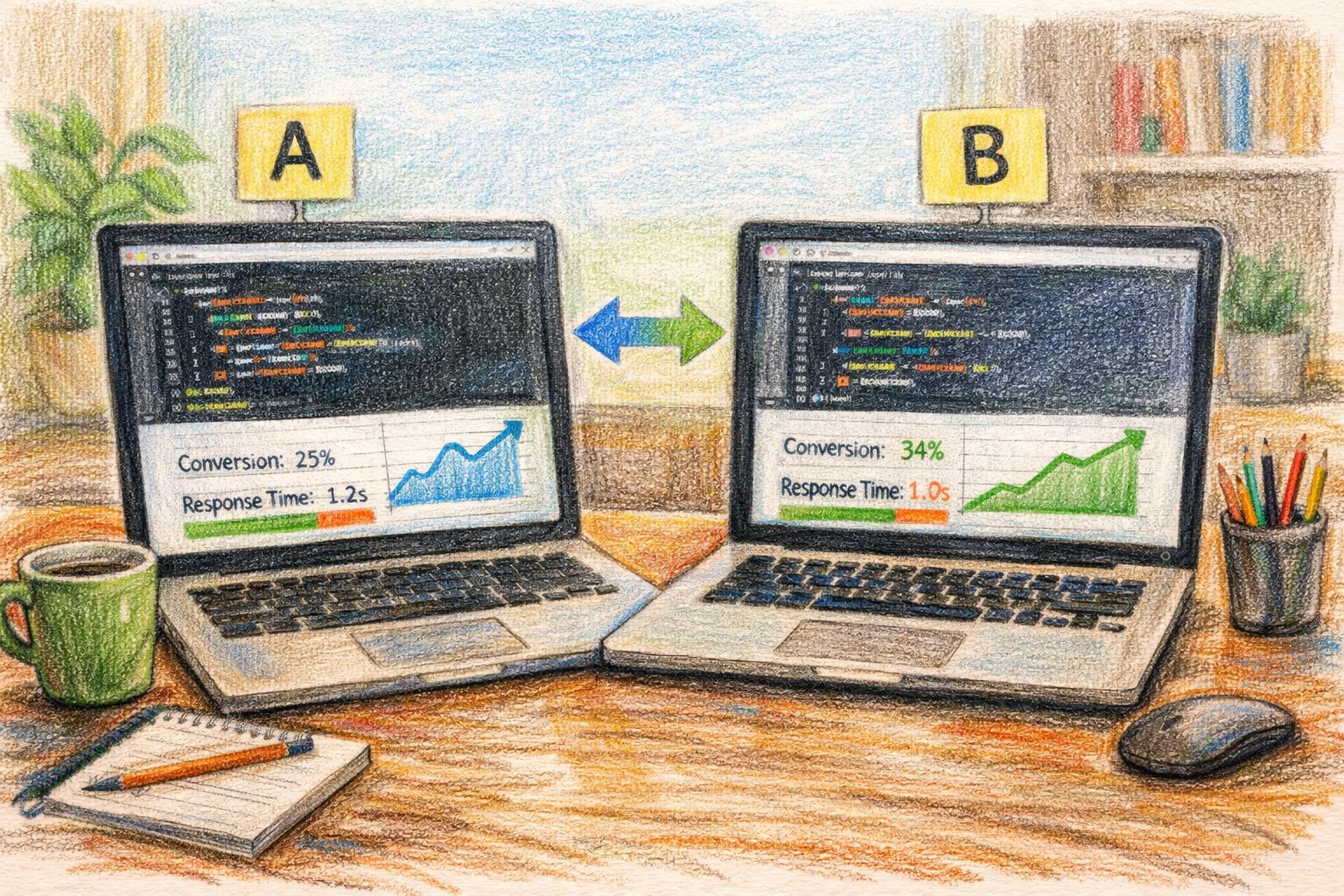
Anthropic’s Claude AI Overhauls SEO Workflows

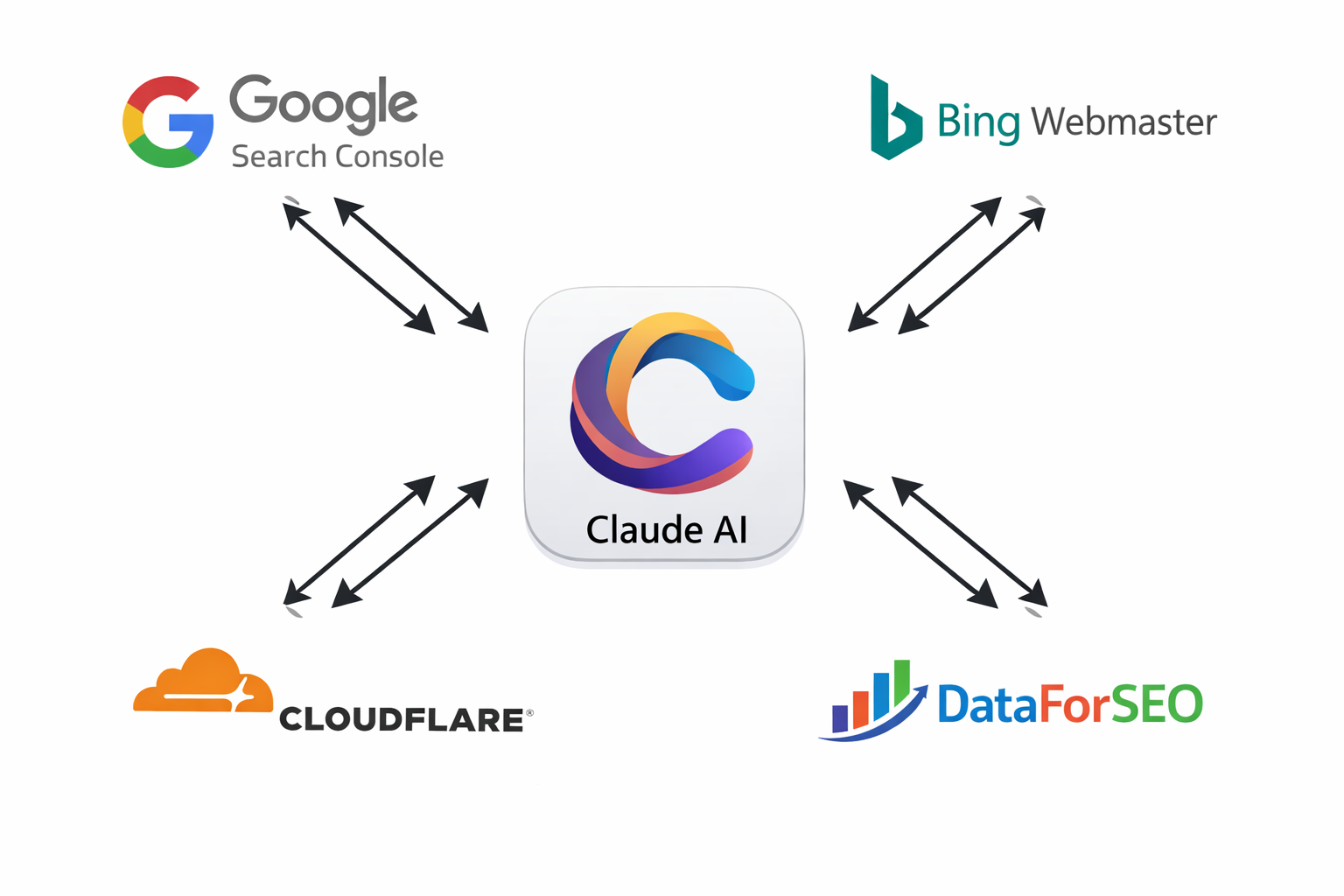
Anthropic’s Claude AI is driving significant changes in SEO operations as agencies and in-house teams increasingly adopt the platform for workflow automation and technical audits. According to a recent WebProNews report, Claude Code now connects to Model Context Protocol (MCP) servers for Google Search Console, Bing Webmaster, Cloudflare, DataForSEO, SEOtesting, and dozens of other platforms, enabling workflows that can pull real data, act on it, and write results back. The shift comes as Google confirms it is allowing its own engineers to use Claude Opus 5 internally, signaling broader acceptance of multi-model AI workflows in enterprise environments.
MCP Connections Transform SEO Data Access
The integration of Claude with MCP servers marks a fundamental shift from prompt-based assistance to autonomous workflow execution. The MCP architecture allows Claude Code to access structured data from platforms like Google Search Console and Bing Webmaster, meaning workflows can retrieve actual SERP data, actual rank information, and actual bot crawl results rather than relying on training data or manual exports.
Australian SEO agency StudioHawk, which manages over 1,000 client audits, has built a 15-tool operating stack with Claude serving as the workflow layer. The company reports that the competitive advantage lies in the connections between tools rather than any single tool. The agency uses Claude primarily for technical audits and content design, while link building workflows remain largely human-driven.
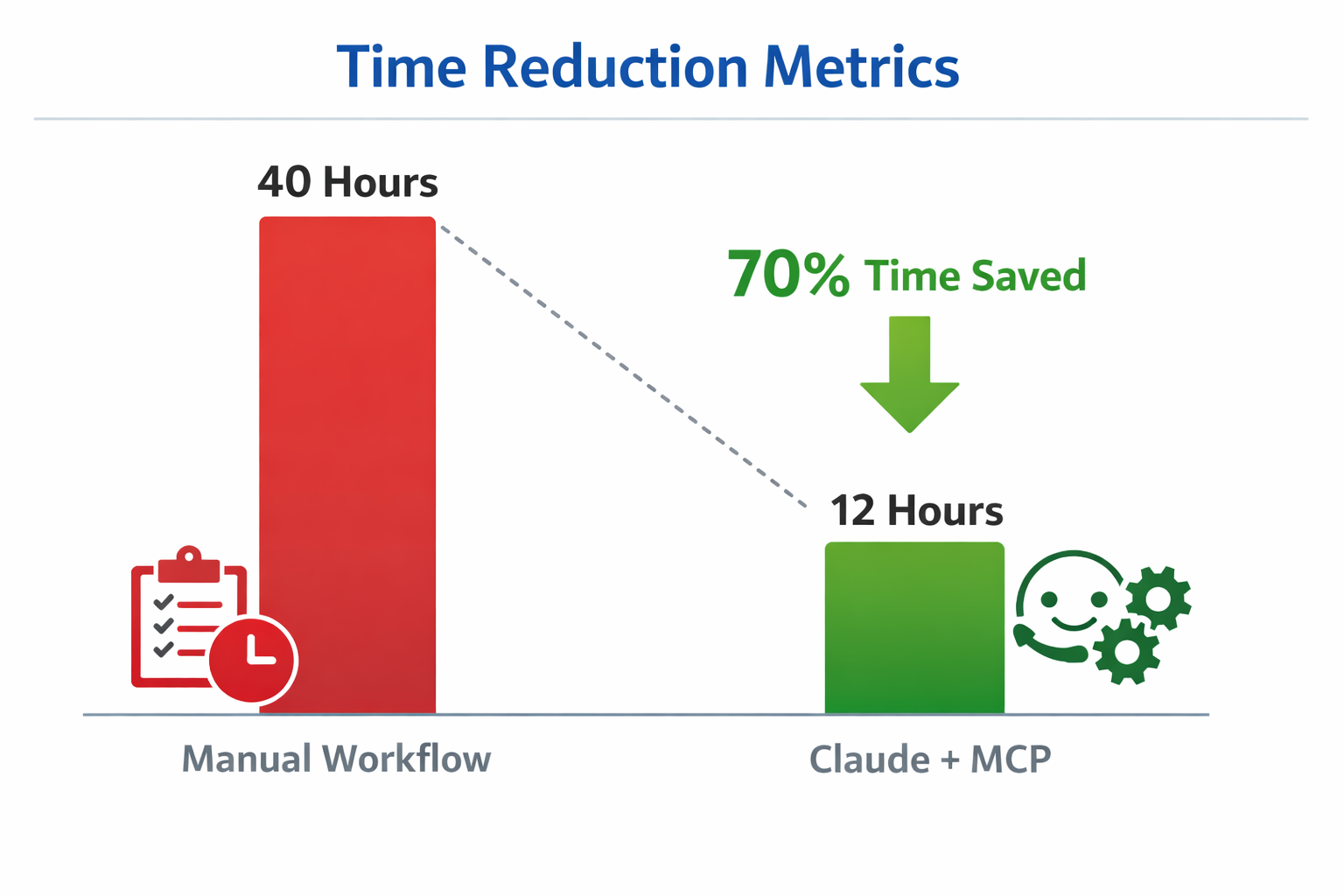
Industry data suggests meaningful time savings. Marketers who combined Claude with live SEO data MCP connections reported cutting keyword research time by up to 70% compared to manually switching between tools, according to Frase internal data from 2026.
Multi-Agent Auditing Accelerates Analysis
The WebProNews article highlights Claude Code’s multi-agent auditing capabilities as a key advantage for SEO teams. This approach allows multiple specialized analysis tasks to run in parallel, dramatically reducing the time required for comprehensive site audits. The system can simultaneously evaluate technical SEO factors, content quality metrics, and competitive positioning without manual coordination between different tools or team members.
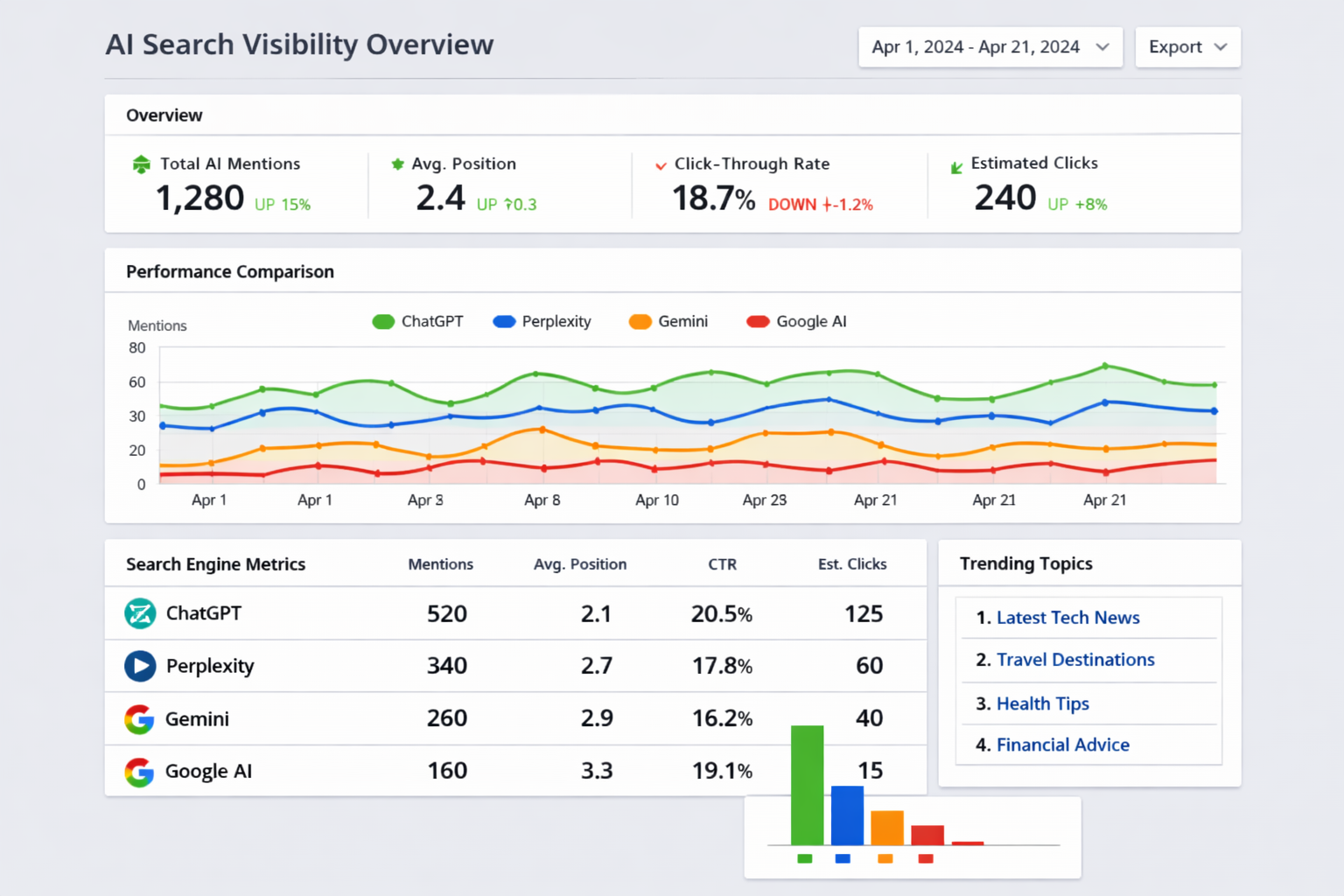
Three high-value workflows have emerged as particularly useful: faster content brief generation, AI search visibility reporting across ChatGPT, Perplexity, Gemini, and Google AI results, plus backlink analysis for sales decks and client pitches. The visibility reporting capability addresses the growing importance of generative engine optimization (GEO), where brands optimize content for AI answer engines rather than solely for traditional search rankings.
Google’s Internal Adoption Signals Broader Shift
In a significant development reported by unwire.pro, Google has begun allowing its engineering teams to use Anthropic’s Claude Opus 5 within its internal development platform. This move represents a departure from typical “self-service first” policies at major tech companies and indicates growing acceptance of multi-model AI strategies in enterprise coding workflows.
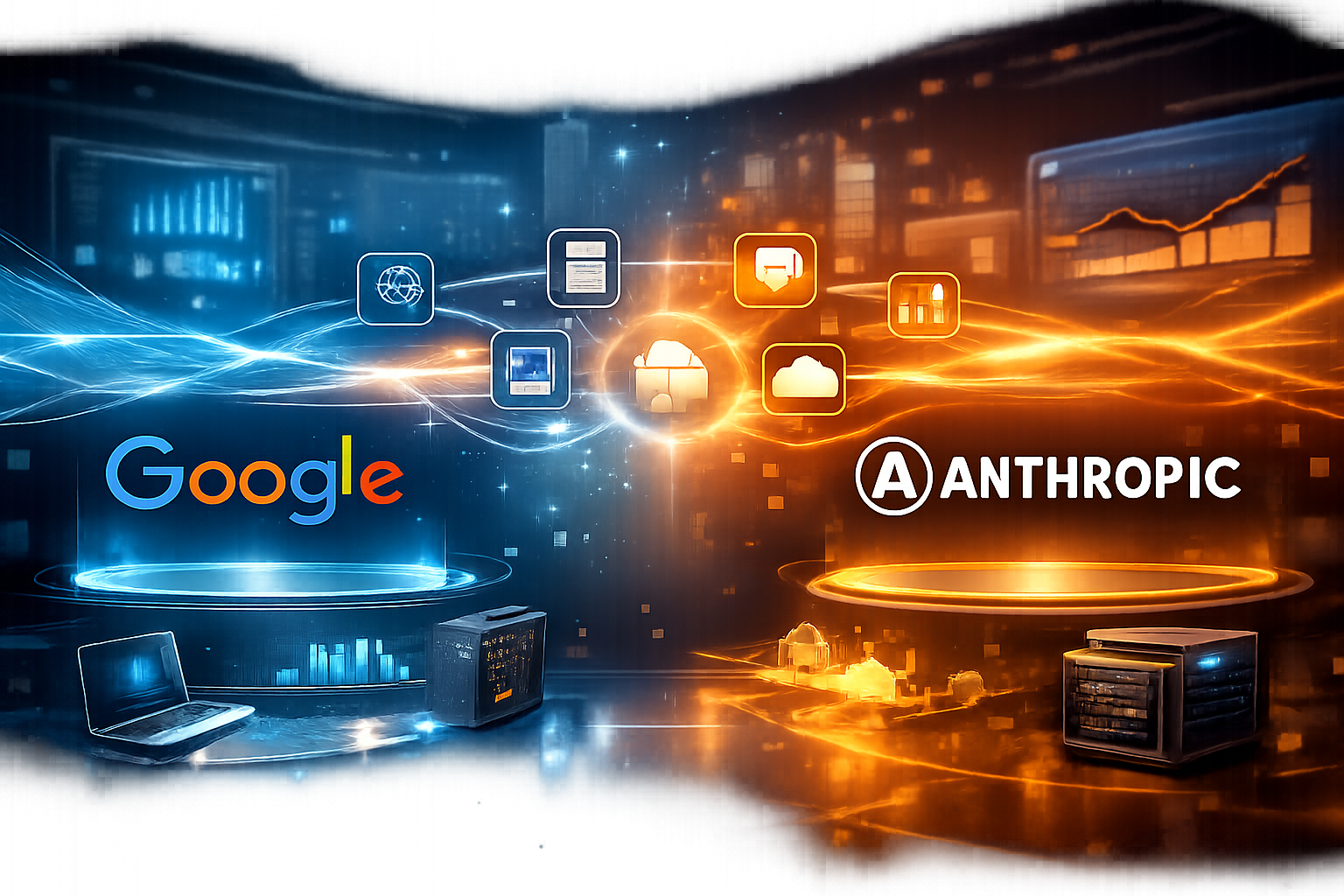
The decision by Google, which develops its own Gemini AI models, to permit Claude usage internally underscores the platform’s technical capabilities and the competitive pressure to provide developers with best-in-class tools regardless of origin. This precedent may accelerate Claude adoption across other large enterprises that have traditionally restricted employees to proprietary or preferred AI platforms.
Visual Quality Guardrails Address Agentic Coding Challenges
As Claude Code and similar agentic coding tools gain traction for web development and SEO implementation, quality assurance has emerged as a critical concern. Applitools announced Visual AI Guardrails designed to prevent quality degradation when AI agents write and modify code. The system integrates with Claude Code and connects to Figma design baselines, creating a bridge between design systems, live implementations, and agentic coding workflows.
This development addresses a practical bottleneck in AI-driven SEO work: while Claude can generate optimized code and content quickly, human review of every change becomes a time constraint that limits the speed advantages of automation. Visual AI guardrails aim to automate quality validation, allowing teams to deploy Claude-generated changes with greater confidence.
Limitations and Human Oversight Requirements
Despite the efficiency gains, SEO practitioners emphasize that Claude functions as workflow acceleration rather than strategic replacement. Claude does not replace the strategy call with clients, the judgment of whether a keyword is worth targeting, the human who advises C-suite executives on next steps, or the reader who catches details an audit might miss.
A critical gap remains: most MCP connectors surface data effectively, but very few can execute fixes such as updating page copy, correcting technical errors, or pushing optimized content live. This means current Claude SEO workflows excel at analysis and recommendation generation but still require human execution for implementation.
Many teams remain stuck in “chatbot mode” rather than leveraging agent-based workflows, asking Claude questions, copying answers, pasting them into documents, and calling that an AI workflow when it is actually manual labor with better grammar.
Growing Plugin and Connector Ecosystem
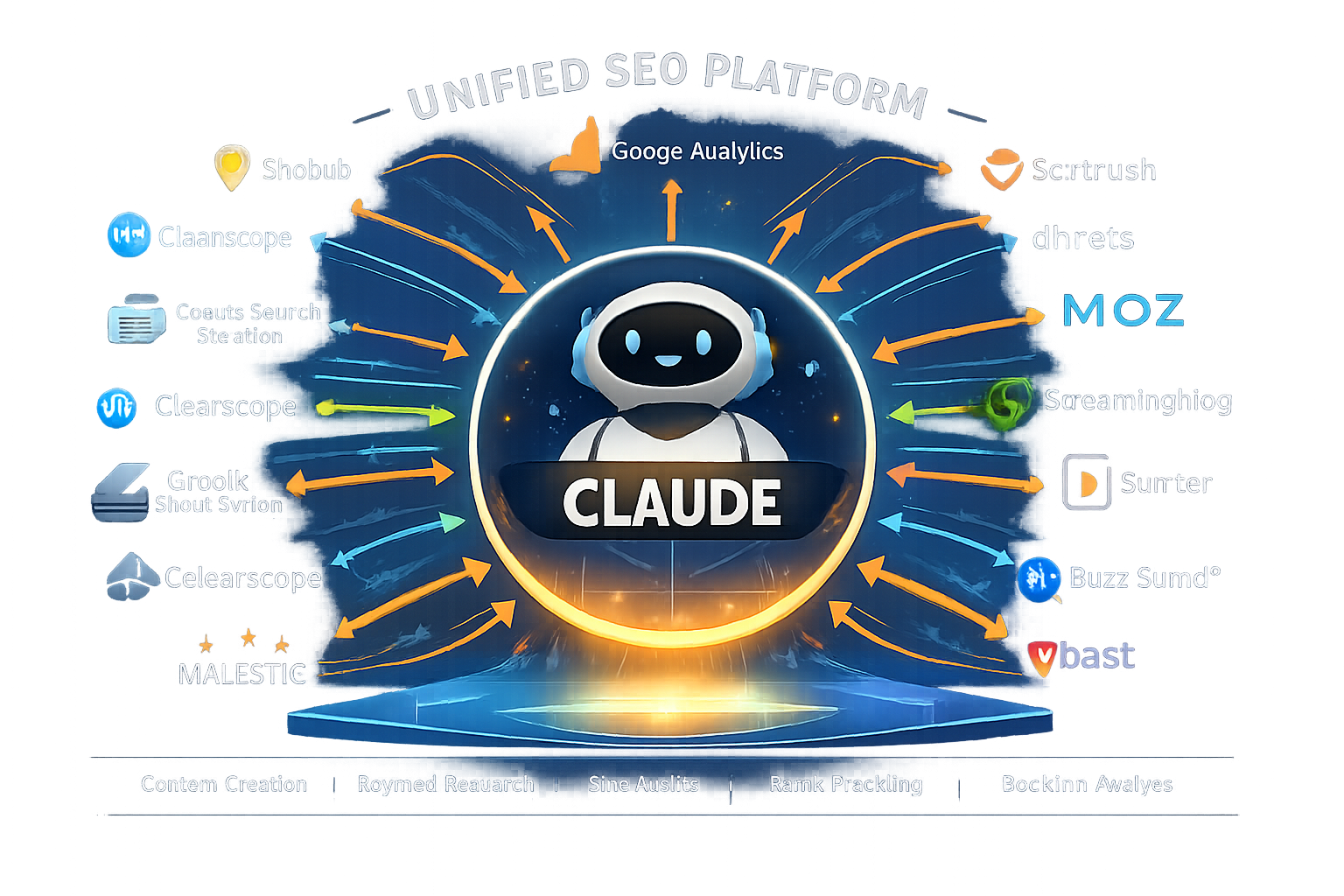
The Claude SEO ecosystem has expanded rapidly in recent months. Claude SEO plugins now provide add-ons that give Claude access to real SEO tools including keyword and ranking data, crawlers, Search Console access, Google Trends, and audit workflows that run on command, with six major plugins available, five of which are free and all open source.
Major SEO platforms including SEMrush, DataForSEO, and SE Ranking have launched MCP servers. The SEMrush MCP connector allows users to request full keyword gap analysis against competitors, pull organic search positions for domains, or list highest-authority backlinks without opening separate browser tabs, exposing over a dozen tool endpoints.
Recent Platform Updates
Claude Code has received several stability and security updates in recent weeks, according to technical documentation covering versions 2.1.271 and 2.1.272. These updates focus on improving reliability for production SEO workflows where downtime or errors can delay client deliverables.
Key Facts
- Claude Code now connects to MCP servers for Google Search Console, Bing Webmaster, Cloudflare, DataForSEO, SEOtesting, and dozens of other SEO platforms
- Marketers using Claude with live SEO data MCPs reported cutting keyword research time by up to 70% compared to manual tool-switching
- Google has begun allowing its engineering teams to use Claude Opus 5 within its internal development platform
- StudioHawk runs Claude-based workflows across 1,000+ Australian client SEO audits
- Six major Claude SEO plugins are now available, with five offered as free open-source tools
- Applitools launched Visual AI Guardrails integrating with Claude Code to automate quality validation
Sources
- WebProNews: How Claude Is Reshaping SEO Workflows for Agencies and In-House Teams
- unwire.pro: Google Opens Claude Access to Engineers
- Business Insider Markets: Applitools Introduces Visual AI Guardrails
- Deloitte: The Age of Generative Engine Optimisation