Anthropic revamps Claude: dynamic workflows, billing shift
 6 min read
Anthropic has launched a series of major updates to its Claude development tools in recent weeks, with the release of Claude Opus 4.8 and the introduction of dynamic workflows for AI-assisted software development. These changes arrive alongside a significant shift in how the company bills for automated Claude usage, set to take effect on June 15, 2026.
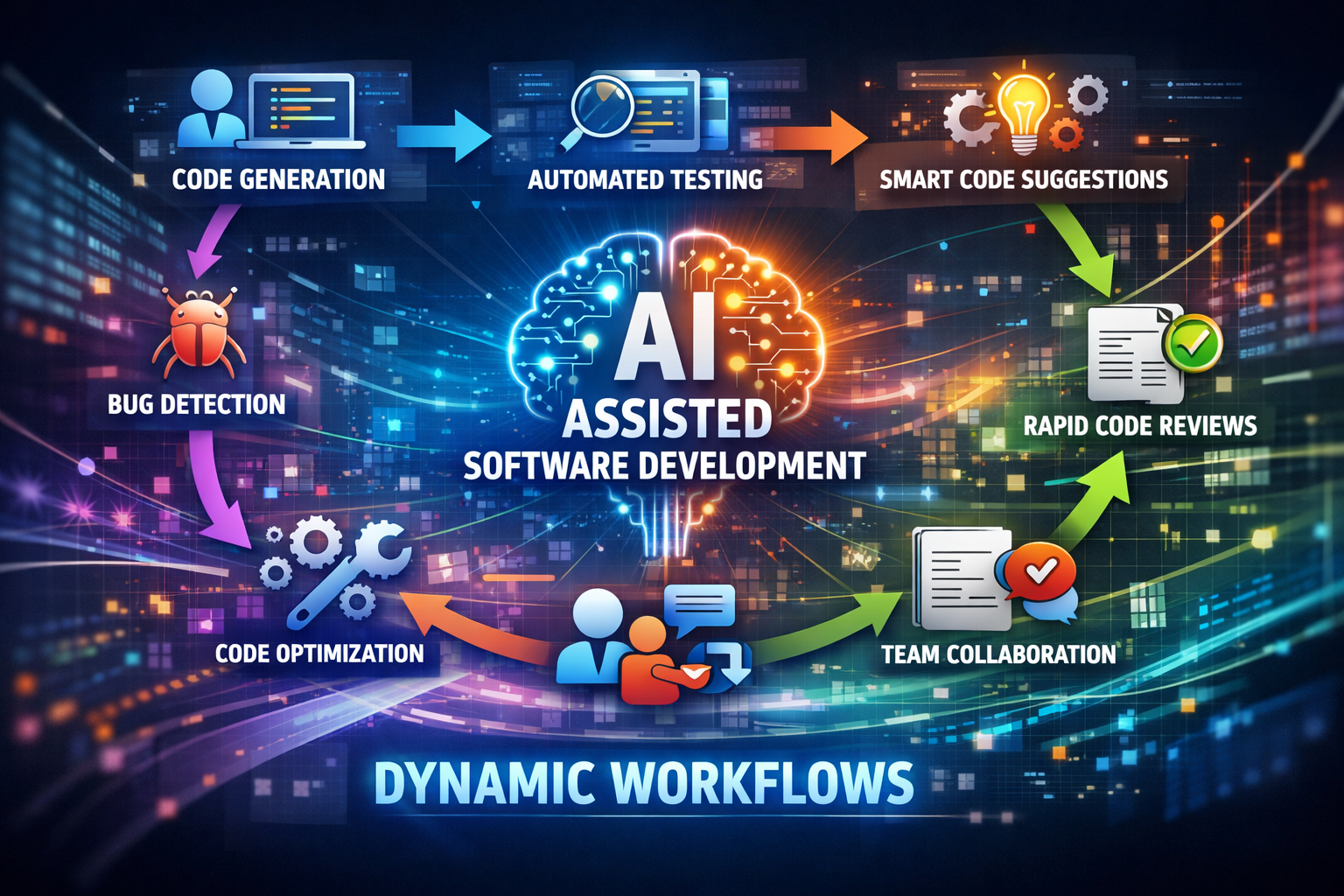
Claude Opus 4.8 Introduces Dynamic Workflows
Claude Code ships Opus 4.8 with high-effort defaults, dynamic workflows, faster Fast mode, and broader agent, browser, plugin, and MCP support. It also tightens safety checks, improves auto mode, and fixes a long list of bugs across background sessions, worktrees, VS Code, and Windows. The flagship feature, dynamic workflows, enables Claude to dynamically generate orchestration scripts that divide work between multiple subagents. Each agent tasked with a unique responsibility can inspect different sections of a codebase, investigate issues, validate findings and report results back to a coordinating model.
Dynamic workflows let Claude create a workflow and orchestrate work across tens to hundreds of agents in the background, allowing developers to tackle complex tasks such as codebase-wide security audits, large-scale code migrations, and framework modernizations. Jarred Sumner, Founder and CEO of Bun, and Member of Technical Staff at Anthropic, used dynamic workflows to port Bun from Zig to Rust. The codebase with 750,000 lines of code was merged within 11 days of first commit, with a 99.8% of the test passing. This is a whole project that would have taken anywhere between 6-12 months with a dedicated team of engineers.
The new capabilities are accessible through a new Claude Code-specific setting called ultracode. This is accessible through the effort menu and it sets the effort level to xhigh, while letting Claude decide automatically when to use a workflow to handle your task.
Subscription Billing Changes Take Effect June 15
Alongside the technical updates, Anthropic announced a fundamental restructuring of how it bills Claude subscribers who use automated features. Starting June 15, 2026, programmatic usage of Claude via subscription plans moves to a separate monthly credit pool. This change affects Claude Agent SDK and claude -p usage, which no longer counts toward your Claude plan’s usage limits. Instead, that usage draws from a new, separate Agent SDK monthly credit denominated in dollars and billed at standard Anthropic API rates.
The new credit structure varies by subscription tier, with $20 Pro / $100 Max 5x / $200 Max 20x metered at full API rates, with no rollover. Once that credit runs out, automated requests stop entirely unless the user has manually enabled overflow billing. There is no automatic fallback and no rollover.
Interactive Claude.ai, Claude Code in the terminal, and Claude Cowork are all unaffected. The separation creates two independent usage pools, with standard web chat and terminal-based Claude Code continuing to draw from existing subscription limits.
Context Behind the Billing Restructure
The change, formalized in Anthropic’s Help Center on May 14, 2026, is the company’s third attempt this year to address a structural economics problem that has been building since Claude Code launched: agents consume compute at a rate that flat-rate subscriptions were never designed to sustain. The June 15 change is the third billing intervention Anthropic has made regarding programmatic usage since January 2026.
Earlier in 2026, on April 4, 2026, it enforced an outright ban on third-party agents using subscription credentials, citing the “outsized strain” those workloads placed on infrastructure. More than 135,000 OpenClaw instances were estimated to be running at the time of that ban. The current credit-pool model represents a middle path that permits automated usage while capping infrastructure exposure.
Competitive Landscape and Recent Events
The announcement comes amid intense competition in AI coding tools. On the same day Anthropic published the billing change, OpenAI CEO Sam Altman offered new enterprise customers two months of free Codex usage if they switched within 30 days. Altman posted directly: “Codex is the best AI coding product and we want to make it easy to try.”
Anthropic has been expanding access to other initiatives as well. Anthropic expands Project Glasswing, extending Claude Mythos Preview access to about 150 new organizations and adding Claude Security for codebase scans and patch suggestions. Project Glasswing focuses on using Claude models to identify security vulnerabilities in critical software infrastructure.
The company experienced a brief service disruption on June 2, 2026. Some users may have experienced intermittent issues or slower response times across Claude Code, Cowork, Claude.ai, and the API. Service has been fully restored, according to an Anthropic source.
Developer Platform Enhancements
Beyond Claude Code, Anthropic has introduced improvements to its broader developer platform. The advisor tool now supports a max_tokens parameter to cap the advisor model’s output per call, reducing latency and output token cost for workloads that don’t need full-length advisor responses. Additionally, Auto mode is now available on Bedrock, Vertex, and Foundry for Opus 4.7 and Opus 4.8.
These updates were showcased at Code with Claude 2026 in San Francisco on May 6, where Anthropic outlined its vision for AI-assisted development. Dario Amodei reported that first-quarter 2026 revenue and usage, on an annualized basis, grew 80x rather than the 10x Anthropic had planned for, which he said is the underlying cause of recent compute pressure.
Key Facts
- Claude Opus 4.8 launched with dynamic workflows enabling orchestration of tens to hundreds of AI agents working in parallel
- New billing model effective June 15, 2026: Agent SDK and automated Claude Code usage moves to separate monthly credits ($20-$200 depending on plan)
- Interactive usage unaffected: Standard web chat and terminal Claude Code continue under existing subscription limits
- Bun migration case study: 750,000 lines of code ported from Zig to Rust in 11 days with 99.8% test success rate using dynamic workflows
- Project Glasswing expansion: 150 new organizations gain access to Claude Security for vulnerability scanning
- Q1 2026 revenue growth: 80x annualized growth versus 10x planned, according to CEO Dario Amodei
Sources
- Anthropic Release Notes – June 2026 Latest Updates – Releasebot
- Anthropic’s Code with Claude Announces Managed Agents, Proactive Workflows – InfoQ
- How Anthropic’s Claude Code is Changing Enterprise Workflows – AI Magazine
- Anthropic Splits Claude Subscriptions: What Changes for Indie Hackers on June 15