Anthropic embeds invisible watermarks in Claude outputs
 4 min read
Anthropic has begun embedding invisible watermarks into all text and file outputs generated by its Claude AI models, a transparency measure tied to emerging AI governance expectations. The new Claude models will mark AI-generated content from day one to comply with the EU AI Act’s transparency requirements, with the marking applying to models released on or after August 2, 2026.
How Claude’s Invisible Watermarking Works
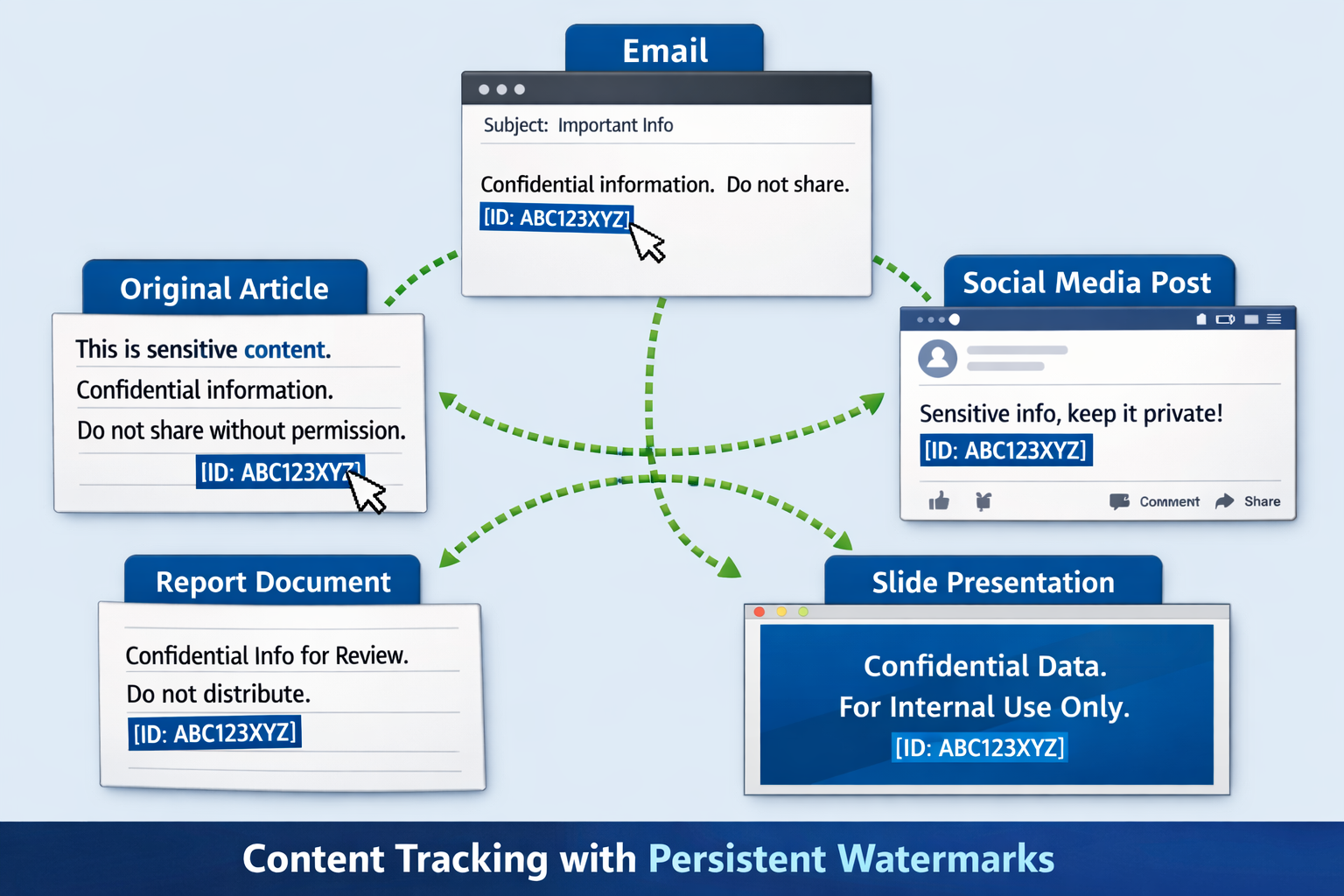
The watermarking technology represents a significant shift in how AI-generated content can be identified and tracked. The signal is encoded in word selection rather than in visible characters, making it imperceptible to human readers while remaining detectable by verification tools. The marking persists through copy-and-paste, ensuring that content retains its AI-generated signature even when reproduced across different platforms.

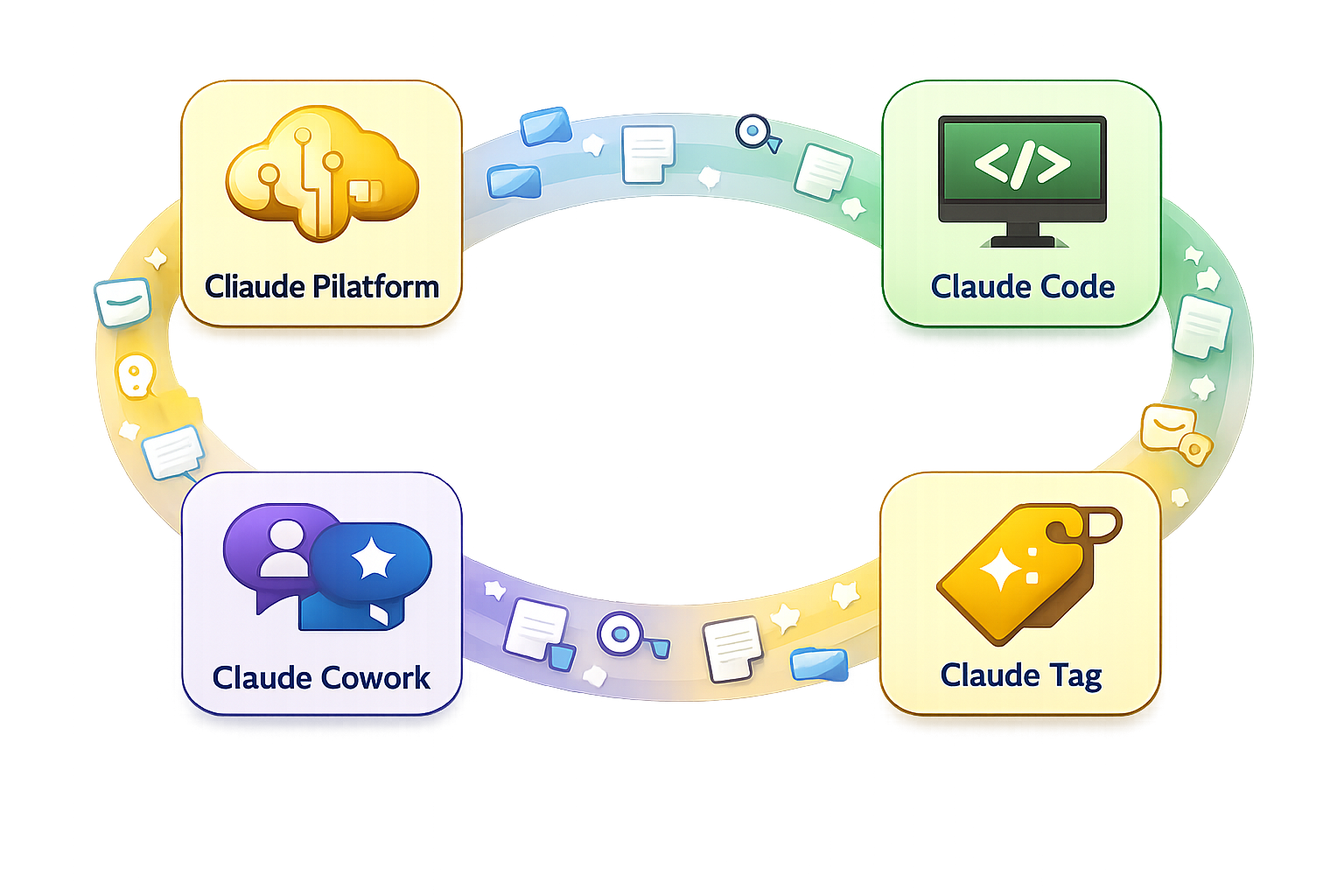
The markings apply across Claude Platform, Claude Code, Claude Cowork, and Claude Tag, covering the full range of Anthropic’s current product offerings. This comprehensive implementation ensures consistent transparency across all user touchpoints with Claude’s AI capabilities.
Global Rollout and Regulatory Compliance
Anthropic says the watermarks will be used worldwide for supported models, extending beyond the European Union where the AI Act mandates such transparency measures. The company’s decision to implement the feature globally rather than region-by-region suggests a proactive approach to AI content transparency.
However, Anthropic has also acknowledged limitations to the watermarking system. The company published limitations of the system, though specific technical constraints were not detailed in available reports. This transparency about the technology’s boundaries reflects growing industry awareness that no content-marking solution is foolproof.
Concurrent Claude Code Updates
Alongside the watermarking announcement, Anthropic has rolled out several updates to Claude Code, its AI-powered coding assistant. Anthropic will make Claude Code’s auto mode the default for Pro, Max, and Team users from August 14, streamlining the workflow for developers who previously needed to manually approve each action.
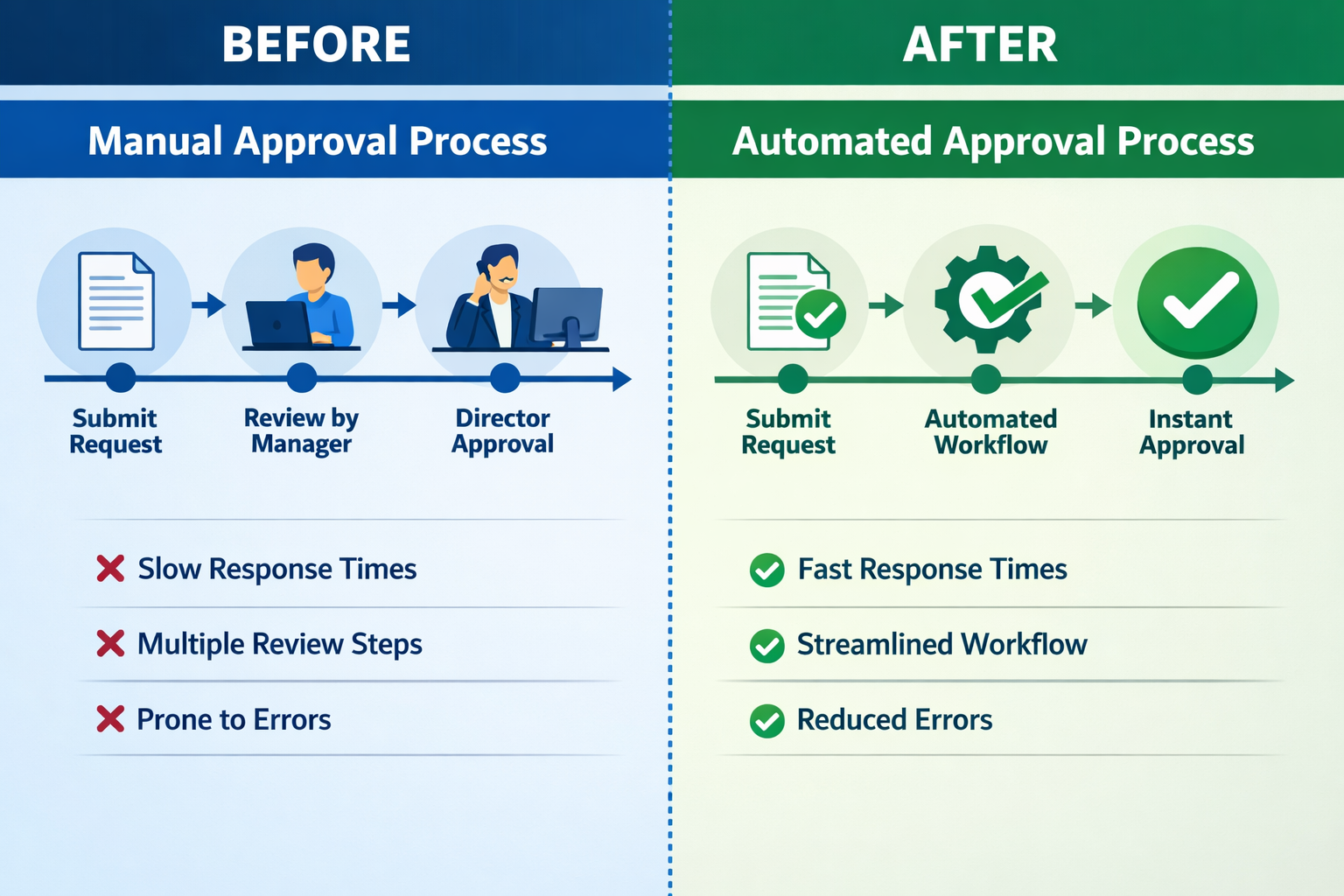
A separate Claude Code update makes auto mode the default approval setting for new sessions starting August 14. Claude Code received a same-day update after the Opus 5 launch, including Opus 5 as the default model and improved subagent/MCP behavior.
Anthropic moved self-hosted Claude Code environments into public beta for Team and Enterprise plans. The update lets organizations run coding-agent sessions on infrastructure they control, which is a meaningful enterprise feature for security-conscious teams.
Broader Context for AI Transparency
The invisible watermarking initiative comes as governments worldwide establish frameworks for AI regulation. The EU AI Act, which requires transparency in AI-generated content, represents one of the most comprehensive regulatory efforts to date. By implementing watermarking globally, Anthropic is positioning itself ahead of potential regulations in other jurisdictions.
The technical approach of embedding watermarks in word selection patterns offers advantages over visible markers or metadata-based systems, which can be easily removed or stripped away. The persistence of the watermark through copy-paste operations addresses one of the key challenges in content provenance tracking, where AI-generated text might be reproduced multiple times across different contexts.
Enterprise and Team Features
The expansion of self-hosted Claude Code sessions to Team and Enterprise customers reflects Anthropic’s focus on meeting enterprise security requirements. Organizations handling sensitive code or proprietary information can now maintain full control over the infrastructure running their AI coding sessions, addressing data residency and security concerns that have limited AI adoption in regulated industries.

NewsBytes also notes Claude Code messaging improvements between coding sessions, enhancing the continuity of development workflows across multiple interactions with the AI assistant.
Key Facts
- Invisible watermarks apply to all Claude models released on or after August 2, 2026
- Watermarking is implemented globally across Claude Platform, Claude Code, Claude Cowork, and Claude Tag
- Watermarks persist through copy-and-paste operations
- Claude Code auto mode becomes default for Pro, Max, and Team users starting August 14
- Self-hosted Claude Code environments now available in public beta for Team and Enterprise plans
- Opus 5 is now the default model for Claude Code sessions
Sources
- NDTV: Anthropic Introduces Invisible Watermarks To Identify AI-generated Text And Files
- LatestLY: Anthropic to Implement Machine-readable Marking Across New AI Models to Ensure Content Transparency
- EdTech Innovation Hub: Claude Code opens self-hosted sessions to Team and Enterprise customers
- NewsBytes: Claude Code to run in auto mode by default