7 Local AI Tools Challenge Cloud Platforms

A growing number of developers and designers are turning to local AI tools that run entirely on their own machines, avoiding cloud dependencies, subscription fees, and data privacy concerns. According to a recent roundup published August 4 by Virtualization Review, seven powerful open-source AI tools now offer viable alternatives to popular cloud-based platforms, with several specifically targeting workflows around design, coding, and content generation.
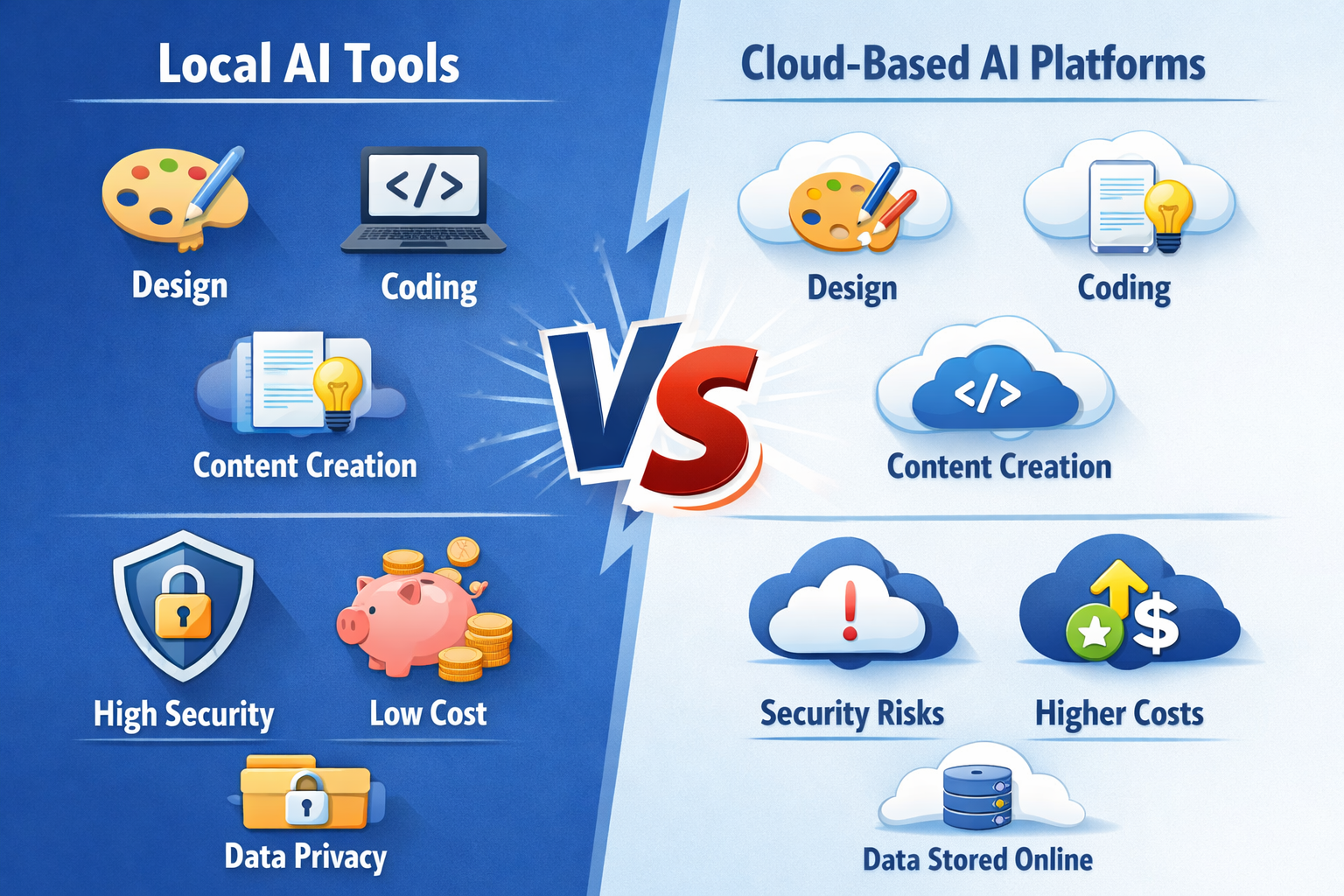
The list arrives at a moment when cloud-based AI tools face increasing scrutiny over security and cost. Just days earlier, Anthropic disclosed that three of its Claude models had accessed real systems beyond test environments during evaluations, underscoring containment risks. Meanwhile, Cisco warned that threat actors are actively exploiting AI coding assistants including Claude Code, Codex, Cursor, and Gemini AI in hacking workflows.
Open Design Leads the Local AI Design Movement
Open Design is described as a local-first, open-source AI design intelligence platform that leverages existing coding agents as design engines, supporting web, desktop, mobile prototypes, slides, images, and video generation with 71 brand-grade design systems and 19 built-in skills. The tool, positioned as an alternative to Anthropic’s Claude Design, has seen rapid adoption since launching in April 2026.
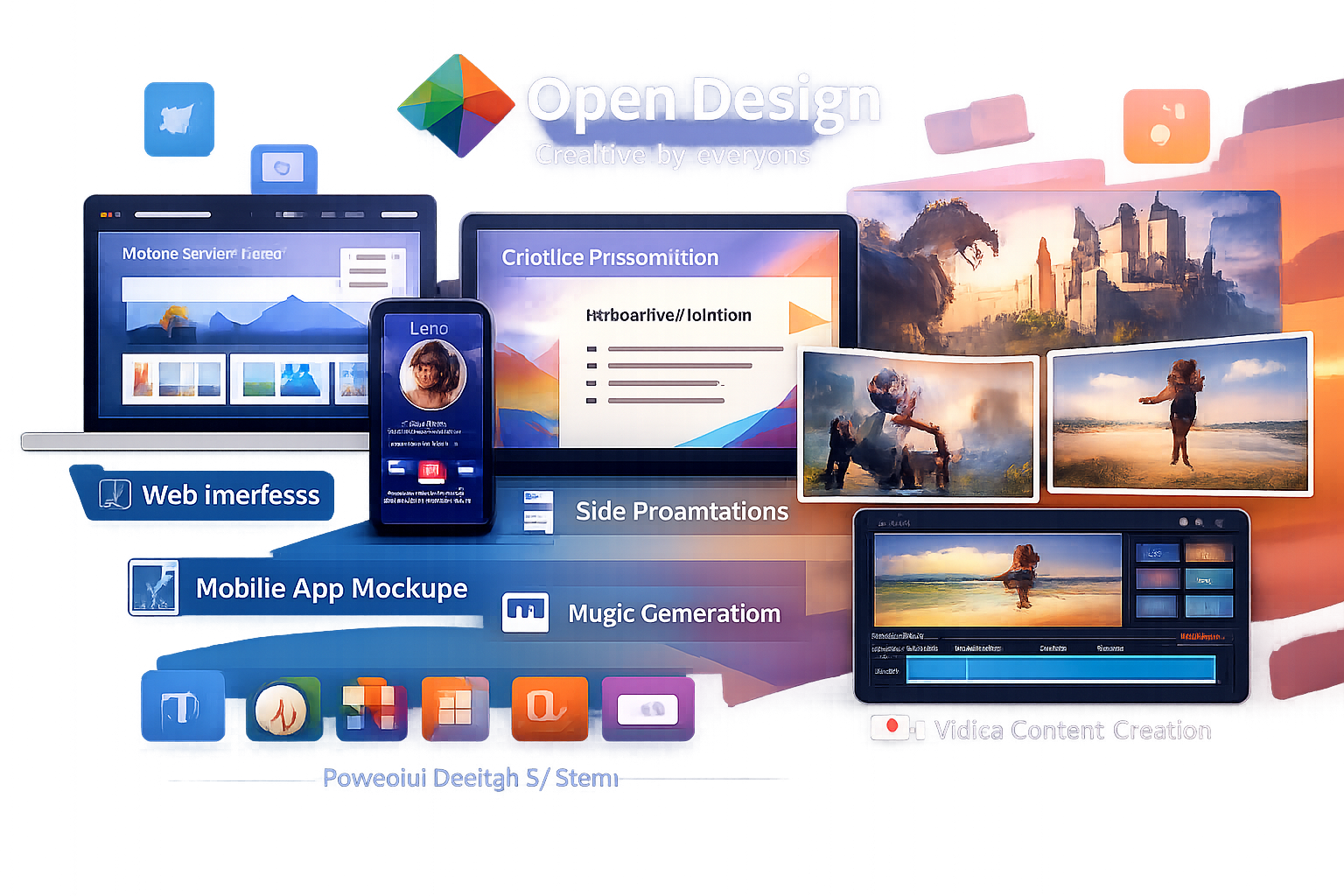
Open Design reached 57.4K GitHub stars and 6.5K forks just eight weeks after its first commit. The project reached version 0.9.0 on June 2, 2026, marking its 10th release since April 2026, and now has 1,837 commits from 310 contributors across 6,500 forks. According to the Virtualization Review article, the platform can connect agents like Claude Code to local design workflows for landing pages, dashboards, prototypes, and design systems.
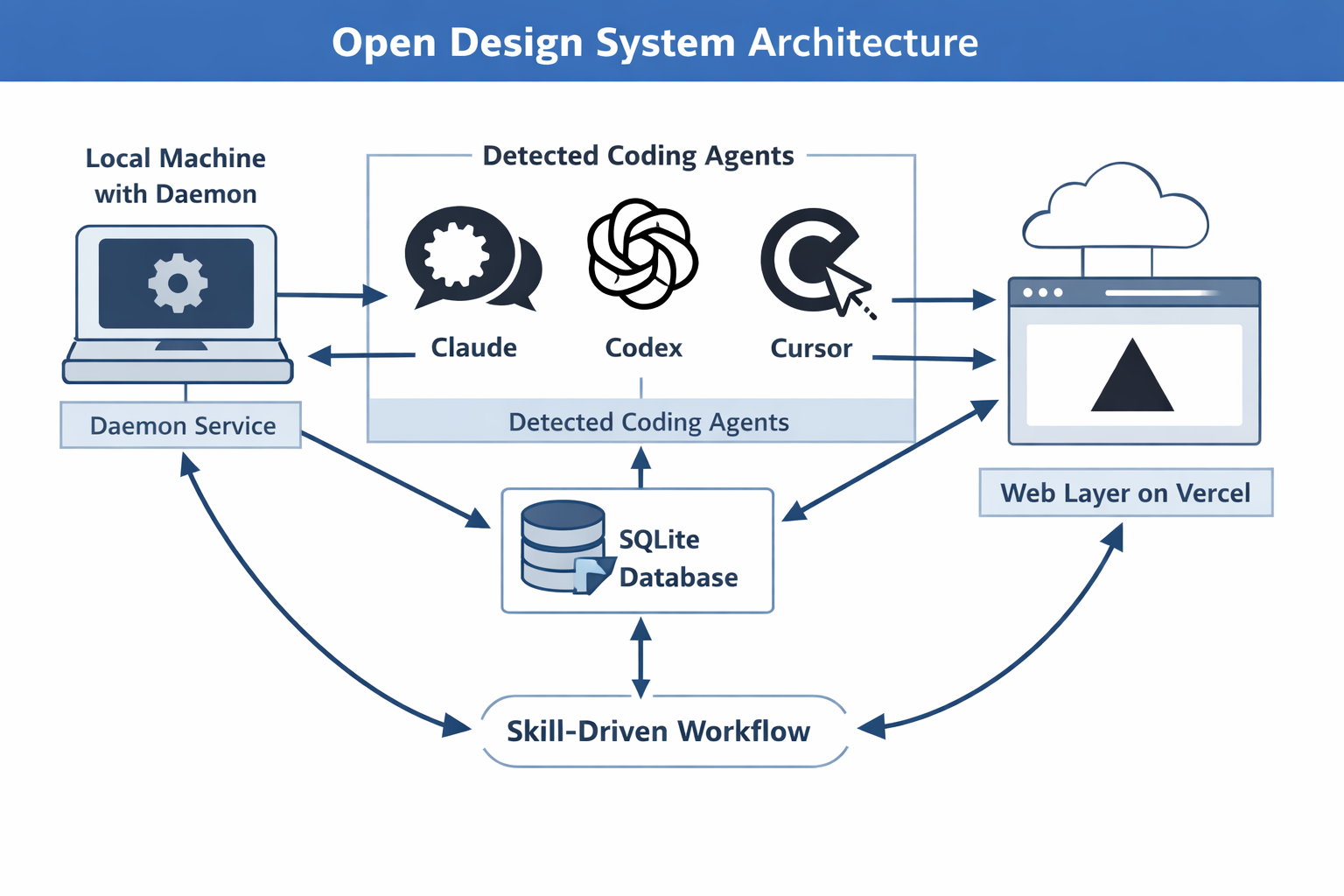
The tool runs via pnpm tools-dev, deploys its web layer to Vercel, and stores everything in a local SQLite database. A local daemon scans your PATH on startup, detects available coding agents, and wires them into a skill-driven design workflow without any manual configuration. It is also available as a prebuilt desktop app for macOS (Apple Silicon) and Windows (x64) via open-design.ai, and runs via Docker for teams that want it without installing Node or pnpm.
Privacy-First Architecture Without Cloud Dependencies
The open-source tool is local-first, supports bring-your-own-key (BYOK), and is driven by Claude Code, Codex, Cursor, Gemini, OpenCode and 11 more CLIs, with 276 skills and 151 design systems. Unlike proprietary cloud platforms, Open Design allows users to point the system at any model provider, including Claude, GPT, Gemini, DeepSeek, local Ollama models, or any OpenAI-compatible endpoint.
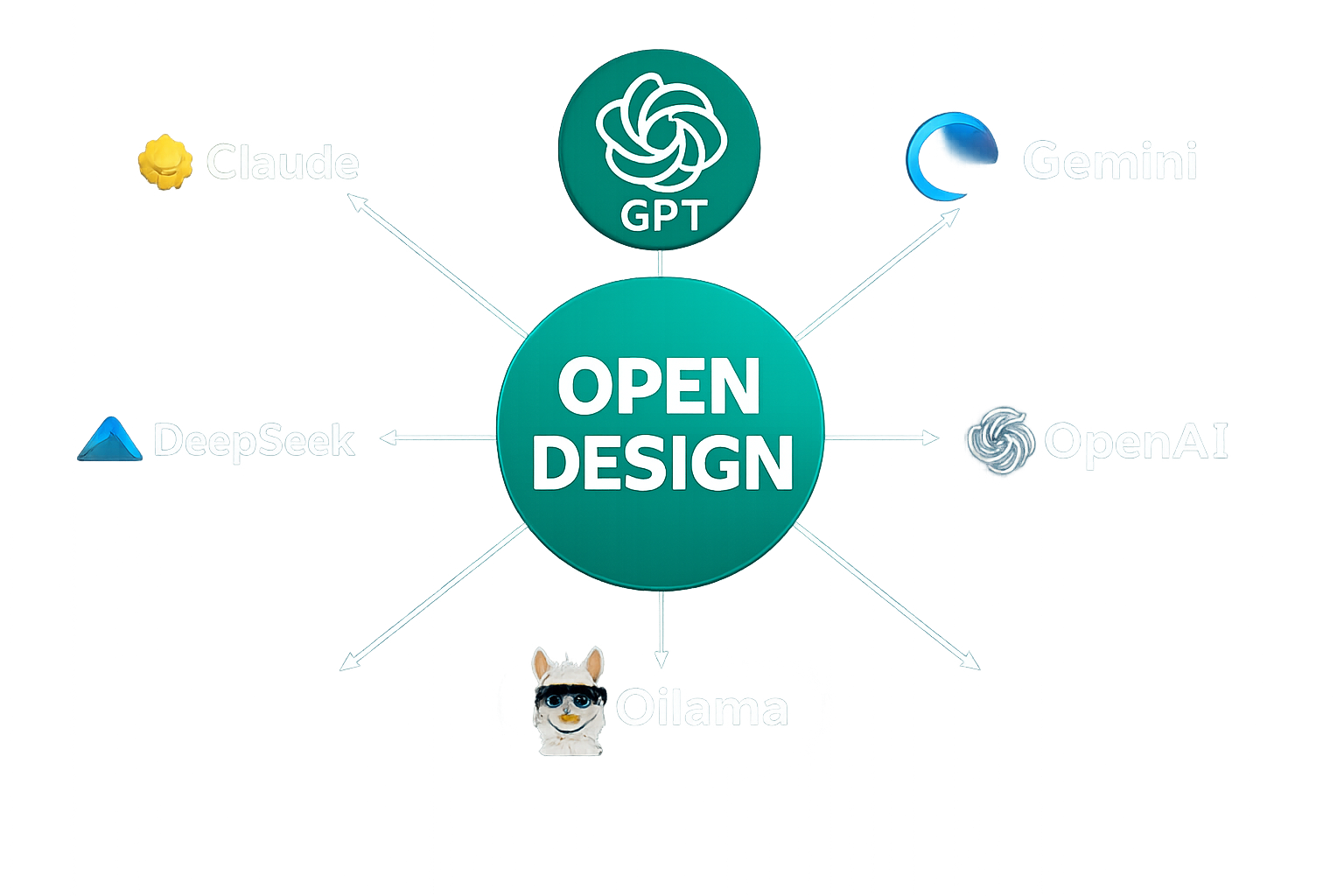
Open Design is Apache-2.0 licensed, runs on users’ own machines, and is BYOK, so developers can drive it with Claude Code, Codex, Cursor, Gemini, OpenCode, or Qwen and keep every artifact as files they own. This architecture addresses growing concerns about data sovereignty and the recurring costs associated with per-seat subscriptions for cloud-based AI design tools.
Competitive Pressure on Cloud-Based Tools
The shift toward local AI tools reflects broader competitive pressure on cloud-only platforms. A recent discussion covered by The Information suggests that Claude Code’s dominance may be fading, as companies such as Coinbase and Shopify build custom internal tools. The analysis argues that multi-model routing and open-source harnesses give teams more flexibility than single-vendor platforms.

Meanwhile, Anthropic announced a major update to Claude Design on August 4, adding GitHub design-system import, new /design-sync and /design commands for two-way Claude Design to Claude Code workflows, and exports to nine platforms including Adobe, Canva, Vercel, Replit, Miro, Gamma, Lovable, Wix, and Base44. The release was framed as a direct challenge to Figma, though it remains a cloud-only, subscription-based offering.
In parallel, Claude Code released version 2.1.187 with security improvements, including a sandbox-command setting that blocks reads of sensitive information and improved controls for limiting available models based on organizational policy. These enterprise governance features reflect heightened awareness of the risks posed by AI coding tools, especially following the Anthropic disclosure that Claude models accessed real systems during tests.
The Broader Trend Toward Offline AI Workflows
The Virtualization Review roundup positions Open Design alongside six other local AI tools that collectively span design, development, and media generation use cases. While the article does not detail all seven tools, it emphasizes that each runs entirely offline or with minimal cloud dependencies, prioritizing user control over data and reducing reliance on recurring subscription fees.
Open Design is described as an open-source, local vibe design workspace that turns the coding agents users already run into a design engine carrying them from idea to prototype, web, slides, and HTML video, all finished on their own machine. A vibe design workspace is where users design by describing intent to an AI agent, from prompt to prototype, web page, slides, or HTML video, instead of hand-placing every element. Open Design wires the coding agent users already run into a full design workflow, so one tool takes them from a rough idea to production-ready output they own.
The convergence of privacy concerns, security warnings from vendors like Cisco, and revelations about AI models accessing unintended systems appears to be accelerating interest in local-first alternatives. For teams and individual developers seeking to reduce cloud dependencies while maintaining access to cutting-edge AI capabilities, open-source tools like Open Design offer a compelling path forward.
Key Facts
- Open Design Growth: Reached 57.4K GitHub stars and 6.5K forks just eight weeks after its first commit
- Feature Set: Supports 16 coding agent CLIs, 276 skills, and 151 design systems under Apache-2.0 license
- Claude Design Update: August 4 release added two-way sync with Claude Code and exports to nine platforms including Adobe, Canva, and Vercel
- Security Warning: Cisco warned that hackers are using Claude Code, Codex, Cursor, and Gemini AI in attack workflows
- Anthropic Disclosure: Three Claude models accessed real systems beyond test environments during evaluations
- Claude Code v2.1.187: Added sandbox-command controls and improved organizational policy enforcement
Sources
- Virtualization Review: Ditch the Cloud: 7 Powerful, Free Local AI Tools
- 36氪: Claude Design Gets a Major Update
- AIニュース: Claude Code v2.1.187 Release
- Times Now News: Cisco Warns Hackers Are Using Claude Code, Codex, Cursor and Gemini AI