Preparing Your Manufacturing Facility for Future Expansion
Create a practical plan that helps your factory adapt to greater production demands while maintaining reliable operations and avoiding costly disruptions ahead.
 6 min read
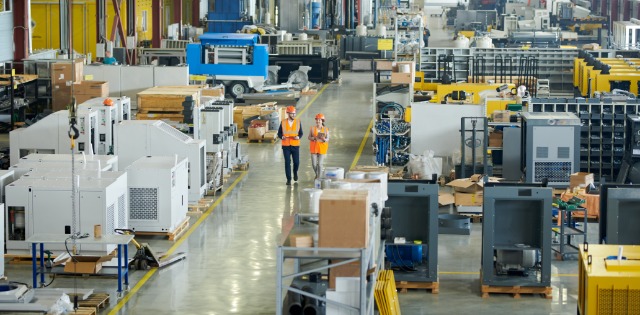
Every successful manufacturing facility must adapt to new demands. As production volumes increase and customer expectations evolve, your operations must have the capacity to support future growth. Without adequate preparation, expansion can place unnecessary pressure on your infrastructure and disrupt established production processes.
A successful expansion starts with a clear understanding of your current capabilities. Before you invest in major facility modifications, evaluate whether your available resources can accommodate increased production demands. This assessment provides a practical foundation for decisions that support your business objectives.
Careful preparation also helps you avoid expensive adjustments once expansion begins. Rather than address unexpected infrastructure deficiencies under pressure, you can establish a realistic strategy that reflects your facility’s operational requirements. With the right approach, preparing your manufacturing facility for future expansion will transition without unnecessary disruption.
Evaluate Your Current Capacity
Before you commit to expansion, examine how effectively your facility uses its available space. Consider whether current production areas can accommodate greater output without excessive pressure on established workflows. A detailed evaluation will reveal limitations that deserve attention before you authorize substantial investments.
Pay particular attention to areas where production delays occur. Limited workspace can become more problematic as demand increases, especially when employees must share access to essential equipment. Consult department supervisors to understand how current conditions affect productivity and determine whether your facility has sufficient capacity for expansion.
Optimize Your Facility Layout
An efficient facility layout creates opportunities for expansion without unnecessary structural modifications. Evaluate how employees move throughout the production floor and determine whether current arrangements support efficient operations. If your existing layout restricts movement, consider whether adjustments could accommodate future production requirements.
Your revised layout should reflect how your facility will operate after expansion. Leave adequate clearance around machinery to support safe employee access and routine maintenance. A flexible floor plan can accommodate future equipment modifications without extensive structural changes whenever your operational priorities evolve.
Assess Your Electrical Infrastructure
Your electrical infrastructure must support the demands of an expanded manufacturing operation. Additional machinery can place considerable pressure on existing power distribution systems, especially in older facilities. Before you approve major equipment purchases, confirm that your electrical capacity can accommodate future production requirements.
Learning the signs it’s time to upgrade your facility’s electrical system will help you recognize potential problems before they disrupt production. Frequent circuit breaker trips or inconsistent equipment performance may indicate that your infrastructure requires professional attention. Consult a qualified electrical contractor to evaluate your facility and recommend improvements that meet applicable safety standards.
Prioritize Essential Equipment Investments
Expansion often requires additional machinery, but every purchase should serve a clear operational purpose. Evaluate your existing equipment before you invest in replacements. Some machines may have sufficient capacity to accommodate greater production volumes without substantial modifications.
When additional equipment becomes necessary, examine its technical requirements carefully. Consider whether the machinery can operate effectively within your available infrastructure and whether its capabilities align with anticipated production demand. A practical investment strategy should reflect the actual needs of your facility rather than the appeal of unnecessary technological features.
Reduce Excess Material Consumption
Greater production demand often increases material consumption. Without efficient resource management, your facility may experience unnecessary waste that affects operational expenses. Examine your current production methods to determine whether material use reflects actual product requirements.
One of the best strategies is reducing material use without compromising performance, which will lead to more efficient production and lower waste. Work with your production team to identify opportunities for precise material allocation without affecting product quality. Even modest improvements to established processes can make a noticeable difference as production volumes increase.
Strengthen Workplace Safety Standards
Facility expansion introduces operational changes that can affect workplace safety. New machinery may alter how employees access production areas or interact with equipment throughout their shifts. Evaluate these conditions before modifications begin to ensure your facility remains a safe environment.
Your safety assessment should reflect the actual conditions employees will encounter once the expanded facility becomes operational. Consult qualified professionals to confirm that proposed modifications meet applicable workplace regulations. Clear procedures will help employees adapt to revised operations without unnecessary exposure to preventable hazards.
Prepare Your Workforce Effectively
Your employees play an essential role in the success of any facility expansion. As production processes evolve, existing personnel may need additional technical knowledge to operate unfamiliar equipment. Evaluate workforce capabilities early to determine whether employees can meet future operational expectations.
Coordinate with department supervisors to establish realistic employee development plans. Give personnel adequate time to become familiar with revised procedures before production demands increase. If your expansion requires specialized expertise, consider whether your current workforce can accommodate those responsibilities without excessive pressure.
Upgrade Your Technology Infrastructure
Modern manufacturing operations depend on reliable technology to maintain accurate production records. As your facility expands, existing digital systems may face greater demands that affect their performance. Evaluate whether your current infrastructure can support increased production activity without unnecessary interruptions.
Technology improvements should reflect your facility’s actual operational requirements. Consult technical specialists to assess system compatibility before you authorize substantial investments. Reliable digital infrastructure allows your employees to access essential production information and maintain consistent communication as your operation grows.
Establish Realistic Financial Priorities
A successful expansion requires careful financial preparation. Before you authorize major modifications, determine how much capital your facility can allocate without affecting existing operations. Your budget should reflect realistic project requirements rather than optimistic estimates.
Unexpected expenses can emerge once facility modifications begin. Establish a reasonable financial reserve to accommodate necessary adjustments without compromising essential investments. Review actual expenditures throughout the project to maintain control over available resources and prevent unnecessary financial pressure.
Develop A Phased Strategy
Expanding your manufacturing facility at once may create unnecessary operational disruptions. A phased approach allows you to introduce improvements gradually without placing excessive pressure on existing production schedules. Establish a realistic timeline that reflects your facility’s available resources and operational commitments.
Coordinate each phase with production supervisors to maintain continuity throughout the project. Evaluate completed modifications before you authorize additional work to confirm that the improvements meet your expectations. This approach allows you to address unexpected challenges without compromising the overall direction of your expansion.
Successful expansion depends on how effectively your decisions reflect the needs of your facility. Every investment should support your production objectives and contribute to a more adaptable operation. A realistic financial strategy will help you pursue these improvements without placing unnecessary pressure on available resources.
The most effective expansion plans reflect your facility’s specific requirements rather than general industry expectations. Evaluate your current processes and consult qualified professionals before major modifications begin. Address potential infrastructure deficiencies early to avoid unexpected complications as production demands increase.