Branding vs. Marketing: What Comes First?
Compare branding and marketing, see what comes before paid ads, and diagnose weak results with a practical small-business launch example.
 9 min read
Before you pay to reach strangers, decide whom you serve, what you promise and why someone should believe you. Start there with branding. You can market before you have a finished logo system; conversations with early customers may change the promise you started with.
Marketing helps you find customers and present the offer to them. Advertising pays to put a message in front of an audience. If money is tight, learn what customers need and shape the offer before paying to reach a larger group.
Branding, marketing and advertising: the practical difference
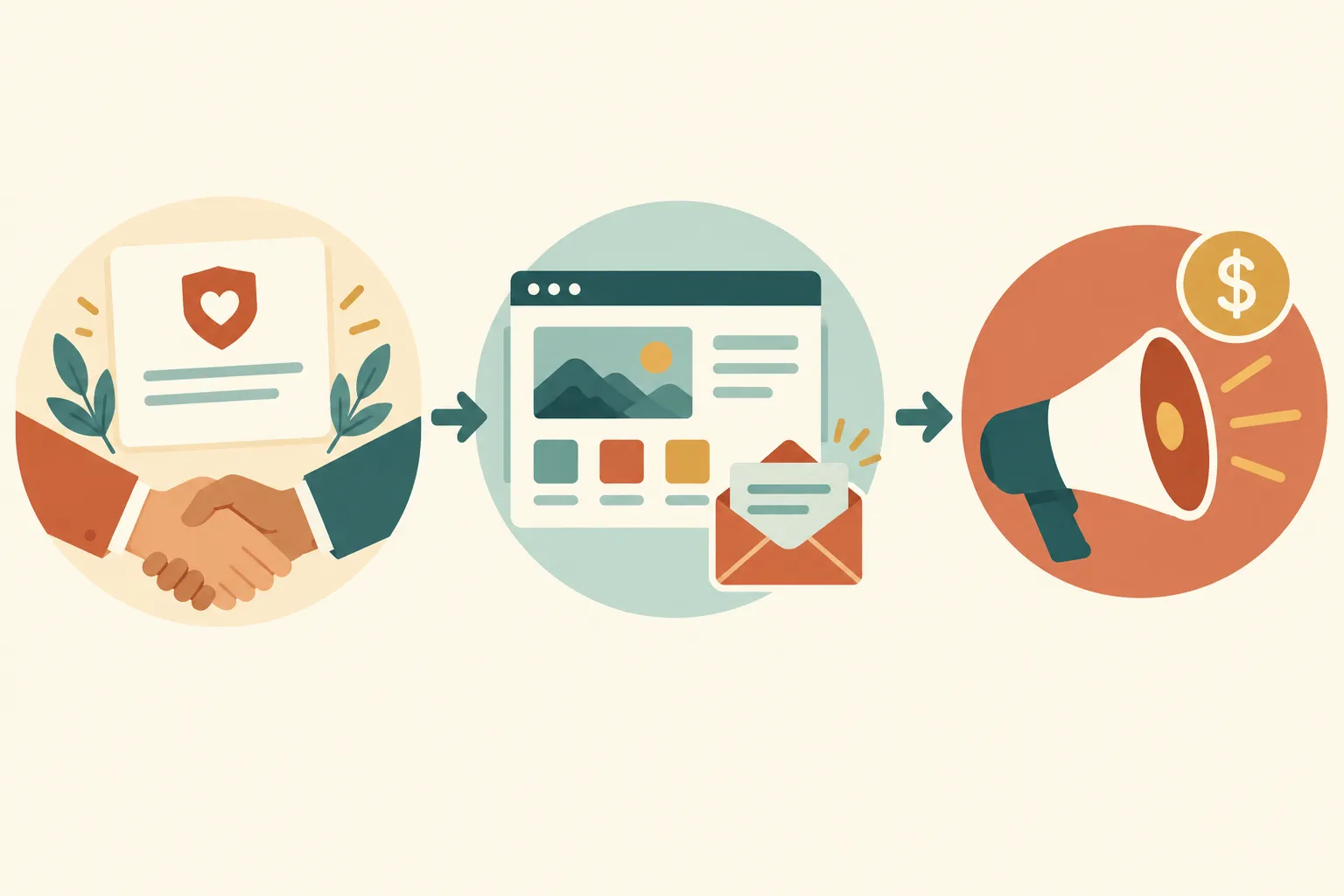
Branding means defining a promise customers can recognize and then delivering it. Positioning, voice and visual identity help express that promise; the experience customers have determines whether they believe it. A logo might help someone recognize you. It will not make unreliable service feel reliable.
Marketing connects your offer with people who might buy it. You might interview customers, set a price, publish helpful content, send email, seek public relations coverage or ask for referrals. Branding in marketing means carrying the same credible promise through those interactions, even when you adapt the message to the channel.
Advertising buys placement for your message, whether in search results, a sponsored post or print. You still have to give that message substance.
|
Activity |
Question it answers |
Small-business output |
Useful signal |
|---|---|---|---|
|
Branding |
Why choose and remember us? |
A clear promise, proof, tone and consistent customer experience |
What customers say about you, repeat interest and referrals |
|
Marketing |
How do we find, persuade and retain the right customers? |
Offer, channels, website copy, outreach and follow-up |
Qualified inquiries and sales by source |
|
Advertising |
Where will we pay for attention? |
An ad with a specific audience, offer and destination |
Relevant visits, inquiry quality and cost relative to sales |
The work overlaps. Your ad communicates the promise, and the way you answer an inquiry can affect both the sale and your reputation. More ad spend cannot repair a vague offer or a disappointing experience.
Branding and marketing: what comes first when money is tight?

Start with minimum viable branding: four decisions you can make without commissioning a full identity project.
-
Identify the first customer. Name a situation, not just a demographic. “Apartment tenants preparing for move-out” gives you a clearer starting point than “everyone who needs cleaning.”
-
Define the job and offer. Specify the scope and next step. Vague scope can attract clicks from people you cannot serve.
-
Give people a reason to believe you. Describe a real process, share genuine customer feedback if you have it, or explain exactly what is included. Never invent reviews or guarantee an outcome you cannot control.
-
Make the experience match. If you promise simple scheduling, make the inquiry and booking process simple before you promote it.
Turn the answers into a one-sentence positioning statement: “For [specific customer] who needs [job done], we offer [specific service] with [credible reason to choose us].” Treat it as a hypothesis you can change after talking with customers.
Choose one reachable audience and give them a way to respond. Direct conversations, a simple service page and a little outreach can reveal confusing language before you pay to repeat it widely. Marketing starts here too: you learn from the response and adjust the offer. There is no universal requirement to finish branding before you market.
If you need help narrowing the offer, use a business plan template for startups to organize the decisions. Keep your first campaign focused on one customer problem.
What can wait
A custom wordmark, elaborate style guide, large social-media calendar and campaigns across several channels can wait until you know what customers respond to. Keep the basics consistent in the meantime: business name, service description, contact path and claims. Design polish can help customers recognize you once they understand the offer.
If customers already understand and recommend you, keep selling while you work on the design. If they struggle to explain why they chose you, sort out the message before you spend more to widen its reach.
One launch, from brand promise to paid ad
Imagine launching a move-out cleaning service for renters in one city. The business and campaign here are fictional.

The owner asks prospective customers what worries them before they hand over their keys. Suppose several ask what the cleaner will do. A written task list becomes part of the move-out clean, and customers can request a quote without guessing what the job covers. The owner avoids promising a returned deposit, which the cleaner cannot control.
Put the promise into an ad
The task list shapes the service, the page and the ad:
|
Step |
Choice for the fictional service |
Why it belongs there |
|---|---|---|
|
Brand promise |
“Know exactly what is included before you book.” |
It gives the customer a reason to consider the service and a standard the business must meet. |
|
Customer experience |
Send the task list with the quote and use it during the job. |
The experience supports the promise rather than merely repeating it. |
|
Marketing message |
“See the move-out cleaning task list and request a quote.” |
It turns the promise into a useful next action on the service page and in outreach. |
|
Paid ad |
Promote that same message to relevant local searchers, linking to the task-list page. |
Paid placement extends a tested offer instead of introducing an unrelated pitch. |
The task list and the work the cleaner does give the brand promise substance. Advertising pays to show it to more prospects. If renters keep asking for a different service, the owner has a reason to revise the offer rather than cling to a tagline.
Before you buy reach
Before buying ads, the owner puts the service scope, area served, contact method and quote process on the page. They also decide what a suitable inquiry looks like. If an ad brings clicks but no suitable inquiries, they can inspect the audience and the page before changing the brand promise.
The same offer-and-destination logic applies to social media advertising for small businesses as it does to a search ad.
If the campaign disappoints, what should change?
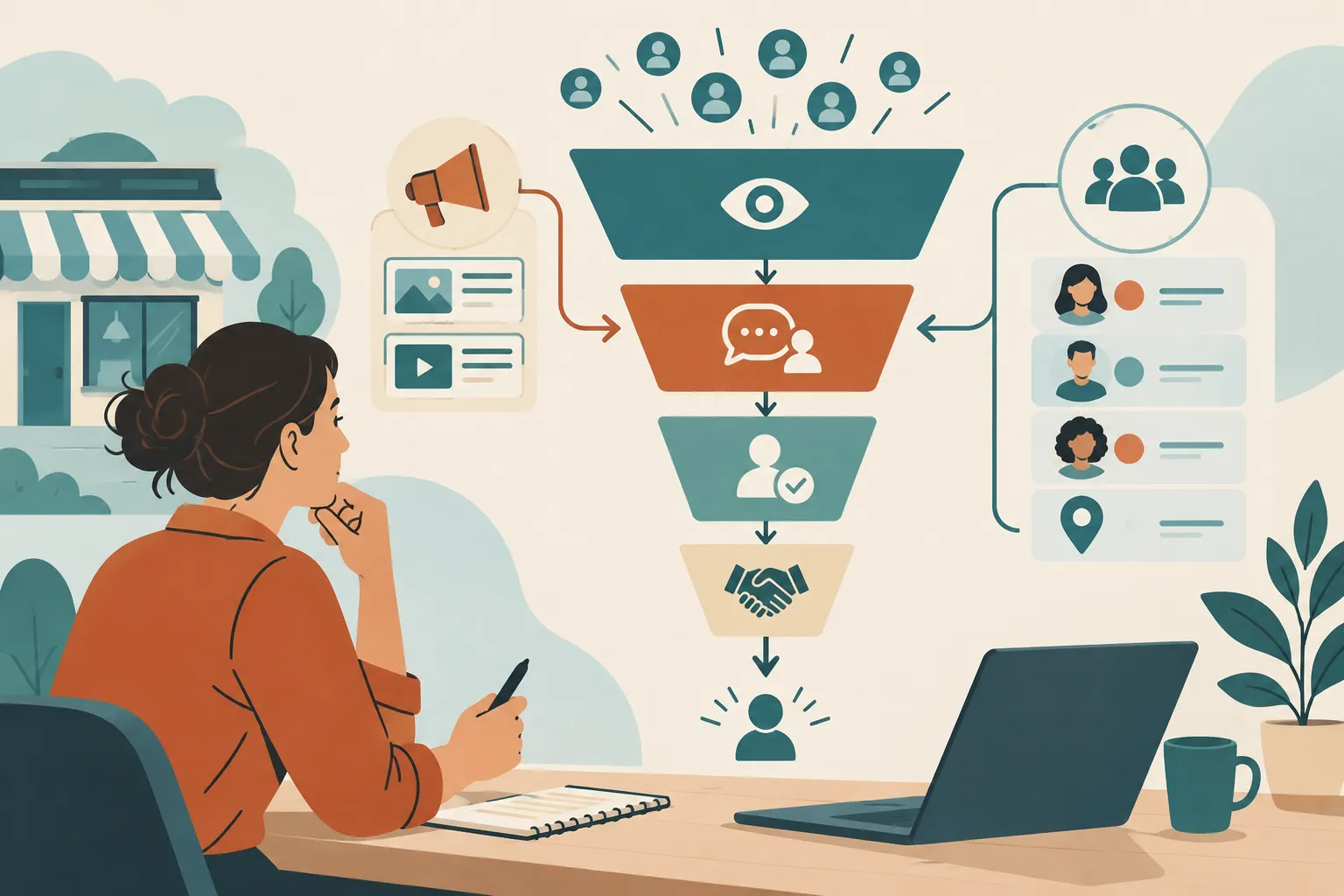
If a campaign falls flat, find out where interest fades before changing direction. Compare similar audiences and offers. A handful of visits gives you little to go on; someone might also see the ad, then contact you through another route.
|
What you observe |
Plausible cause |
First useful move |
|---|---|---|
|
The people seeing the ad rarely engage |
The audience, placement or opening message may not fit |
Narrow the audience or change the first line while keeping the core offer the same |
|
Relevant people click but leave without inquiring |
The page may not answer their questions, or the offer may feel unclear |
Compare ad and page claims; make scope, proof and next step easy to find |
|
Inquiries come from people outside the service scope |
Targeting or wording is too broad |
Tighten location, service terms and exclusions before increasing spend |
|
Suitable prospects inquire but hesitate at the quote |
Price, trust, timing or expectations may be the obstacle |
Ask what stopped them, then clarify the scope and value rather than changing channels immediately |
|
Customers buy once but do not return or recommend |
Delivery may not match the promise, or the job may be infrequent |
Review the actual experience and ask for candid feedback; do not assume repeat purchase is appropriate for every service |
Test the message against the channel
To separate a message problem from a channel problem, keep one part of the test steady. Show the same offer and page to a second relevant audience. If one group sends suitable inquiries and the other does not, examine whom the campaign reached. Another option is to keep the audience and channel steady while you clarify the opening copy and page. If suitable prospects across several touchpoints still misunderstand the offer, revisit its positioning or scope.
Measure the action you actually want
Keep a record of which inquiries fit the service and where customers say they heard about you. Note the objections you hear and which quotes turn into jobs. Compare ad spend with completed work, not only clicks. You will still have uncertainty when the sample is small or customers take time to decide.
“When you run ads with Google Ads, you may want to know whether clicks on your ad led customers to take certain actions such as making a purchase on your website, calling your business, or downloading your app.” – Google Ads Help
If people inquire but do not book, examine the follow-up alongside other reasons digital marketing campaigns underperform.
Make the next spend a decision, not a guess
On a lean budget, settle on an offer you can deliver and explain it in terms customers recognize. Try low-cost marketing first. Once the page is clear and you know what a suitable inquiry looks like, paid reach is easier to judge. Keep your promise in the work you do, and revise it if customers show you where it misses the mark.
Your next decision might involve the channel, your sales follow-up or the service itself. MikeGingerich.com covers business, branding, advertising and digital marketing, with practical ideas to help you work through whichever problem the campaign exposes.
FAQ
What’s the difference between branding and marketing?
Branding defines and delivers the promise people associate with a business. Marketing connects that business and its offers with customers through research, messaging, channels and follow-up. Advertising is paid placement within marketing.
What is branding and its importance?
Branding is the deliberate work of shaping what customers can expect and then meeting that expectation. It matters because a recognizable, credible promise helps people decide whether your offer fits them and gives your marketing a consistent message.
What is the brand identity?
Brand identity is the set of elements a business uses to present itself, including its name, voice, messaging and visual style. It expresses the promise but is not the same as the customer experience or reputation.
How do you build a strong brand?
Begin with a specific customer, a clear offer and a promise you can keep. Make your service and communications consistent, listen to objections and adjust the promise when the evidence shows it does not fit.
What makes a good brand?
A good brand is easy for the right customer to understand and credible in practice. Distinctive visuals can aid recognition, but the offer and customer experience need to support what the business claims.