Slip and Fall Accidents in Orlando: How Florida Premises Liability Law Protects You
Sep 15, 2026
What Is a Premises Liability Claim in Florida?
A premises liability claim arises when a property owner or occupier fails to maintain reasonably safe conditions on their property, and that failure causes injury to someone lawfully present. Slip and fall accidents are the most common type of premises liability claim, but the category also includes trip and fall incidents, stairway accidents, inadequate lighting injuries, swimming pool accidents, falling merchandise, and structural failures. Florida law requires that a business owner or property occupier knew or should have known about the dangerous condition that caused your injury. This is the central legal standard — and it is where many Florida slip and fall claims are won or lost. To succeed in a Florida slip and fall claim against a business, you must prove one of two things under Florida Statute 768.0755: that the business had actual knowledge of the dangerous condition and failed to correct it, or that the condition existed long enough that the business should have known about it through reasonable inspection — known as constructive knowledge. This notice requirement is more demanding than the standards in many other states and reflects legislative changes Florida made in 2010 specifically aimed at slip and fall claims. It means that simply proving you fell on a wet floor is not enough — you must also prove the business knew or should have known the floor was wet.Florida’s Notice Requirement — The Critical Legal Standard
The actual and constructive knowledge requirement is the most important legal concept in any Florida slip and fall case. Understanding it shapes everything about how your claim must be built. Actual knowledge means the business or its employees were directly aware of the hazardous condition. Evidence of actual knowledge includes: employee witnesses who knew about the spill or hazard, prior complaints about the same condition, maintenance records showing a recurring problem, or security footage showing an employee walking past the hazard before the accident. Constructive knowledge means the condition existed long enough that reasonable inspection should have revealed it. Evidence of constructive knowledge includes: the age and appearance of the hazard (a dirty, spread-out spill that has been walked through is more established than a fresh drop), the absence of inspection records showing regular floor checks, testimony about how frequently the area is monitored, and circumstances that make the hazard foreseeable — a self-serve drink station that is known to drip, for example. Both forms of knowledge require specific evidence to establish. This is why documentation at the scene and immediately after the accident is so critical — and why surveillance footage is often the most decisive evidence in these cases.What to Do Immediately After a Slip and Fall in Orlando
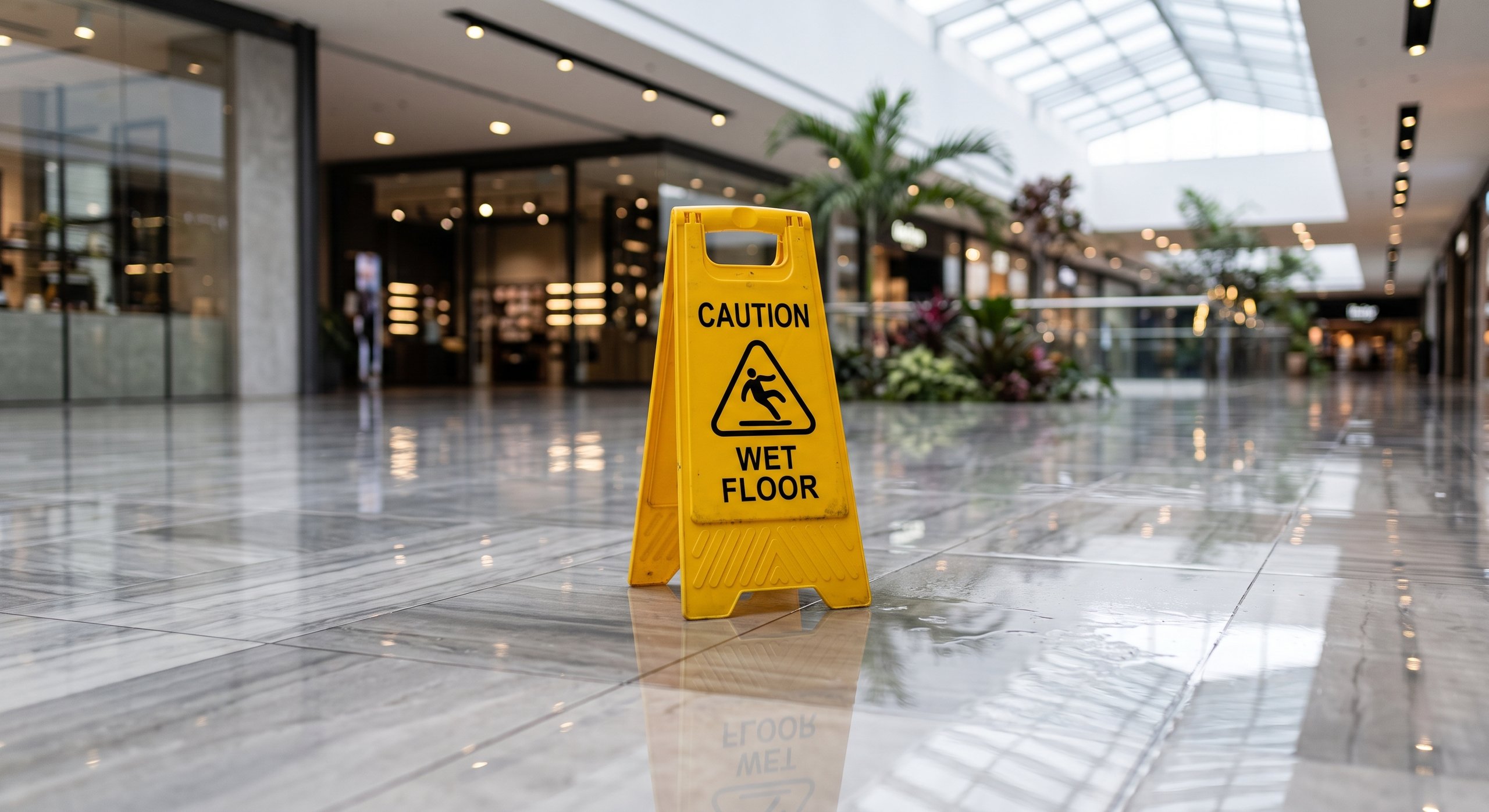
How you respond in the minutes and hours after a slip and fall accident directly affects your ability to prove both the hazard and the business’s knowledge of it. Report the incident immediately. Tell a manager or staff member what happened and ensure an incident report is completed before you leave. Get a copy of the incident report or at minimum photograph it. This creates an official record that the business cannot later deny. Document the hazard before it is cleaned up. Take photographs and video of exactly what caused your fall — the wet floor, the torn carpet, the uneven surface — before anyone cleans it up or places warning signs. This is often the most important evidence in a slip and fall case and disappears within minutes. Photograph the surrounding area. Note the absence of wet floor signs, the lighting conditions, the condition of the floor surface, and anything else relevant to the safety of the environment. Identify witnesses. In Orlando’s tourist venues, bystanders are often from out of town and unavailable later. Collect names and contact information immediately. Preserve your clothing and footwear. The shoes you were wearing at the time of the fall can be evidence — do not wash or discard them. Clothing that shows the impact can also corroborate the accident. Seek medical attention the same day. Even if you feel you can walk away, see a doctor promptly. Hip fractures, spinal injuries, head trauma, and soft tissue damage from falls often don’t fully present immediately. A gap in medical treatment gives insurers grounds to dispute the severity and causation of your injuries. Request surveillance footage in writing as soon as possible. Most commercial venues retain surveillance footage for only 30 to 72 hours before it is overwritten. Your attorney can send a preservation letter demanding retention immediately — but only if engaged quickly.Orlando’s Tourism Environment and Premises Liability
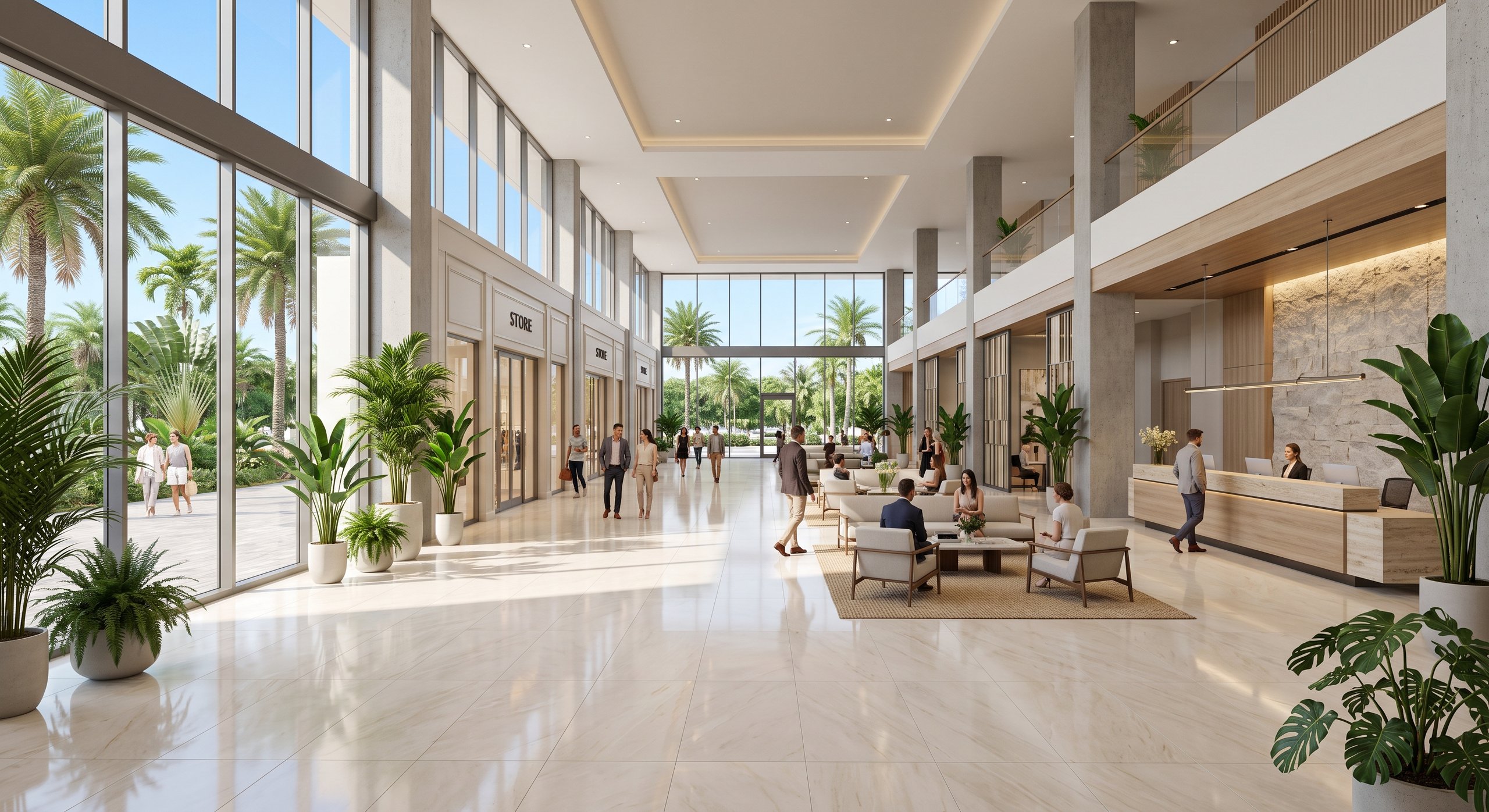
Orlando’s tourism economy creates a premises liability environment unlike any other city in Florida. The venues are large, the foot traffic is enormous, the turnover of visitors is constant, and the expectation of safety is high. Theme parks and entertainment venues carry a duty of care to guests on their premises. While major theme parks have sophisticated risk management and legal teams, they also have extensive surveillance systems that capture accidents — footage that can be decisive evidence but that must be legally preserved before it is overwritten. Hotels and resorts are among the most common settings for serious slip and fall accidents in Orlando. Pool areas, spa facilities, lobby corridors, restaurant spaces, and parking structures all generate consistent hazards. Hotel property owners are responsible for maintaining all of these areas reasonably safely for guests. Shopping and entertainment complexes on International Drive and in the tourist corridor carry significant foot traffic across large tiled and polished floor areas that become hazardous when wet — from spilled drinks, food service areas, bathroom proximity, and rain tracked in from Florida’s frequent afternoon downpours. Convention centres hosting large events concentrate thousands of people across food service and exhibition areas where spills and hazards are frequent and inspection may lag behind the pace of activity. In all of these environments, the business’s size and sophistication does not reduce its legal duty. A major resort chain carries the same obligation to maintain safe premises as a small local restaurant — and their extensive resources mean their legal defence teams are well prepared. Your representation needs to match that capability.Florida’s Comparative Fault Applied to Slip and Fall Cases
Florida’s pure comparative fault system applies to premises liability claims as it does to car accident claims. You can recover damages regardless of your percentage of fault — even if you are found substantially responsible for your own fall. However, insurers and defence attorneys in slip and fall cases routinely argue contributory negligence: that you were wearing inappropriate footwear, that you were looking at your phone, that you walked into a clearly marked hazard area, or that you were moving too quickly for the conditions. Each of these arguments reduces your recovery proportionally. Strong evidence — surveillance footage, witness accounts, documentation of the hazard and the absence of warning signs — is your defence against these arguments. An experienced attorney builds the case that establishes the property owner’s knowledge and negligence while minimising the comparative fault assigned to you.