Anthropic Enables Org-Wide Auth for Claude Connectors
 4 min read
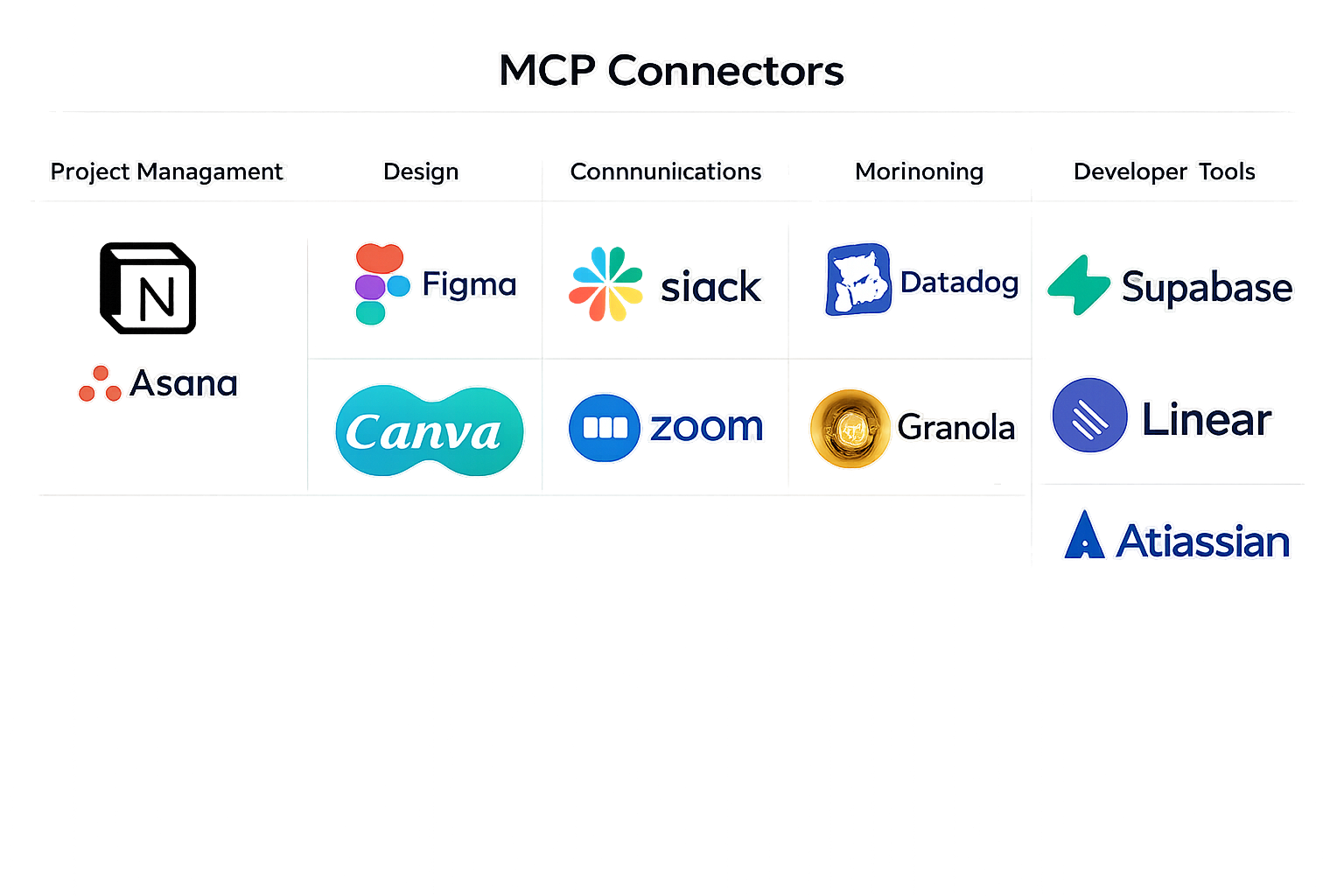
Anthropic rolled out enterprise-managed authorization for Claude’s Model Context Protocol (MCP) connectors on August 24, 2026, allowing administrators to provision connector access organization-wide through identity providers. The update added support for Datadog, Notion, and Slack, with Exa, Miro, and Zoom coming soon, in addition to existing support for Asana, Atlassian, Canva, Figma, Granola, Linear, and Supabase. The move addresses a longstanding friction point in enterprise AI deployments, where individual users previously had to authorize each connector themselves even after administrators enabled the tools at the organizational level.
Streamlined Deployment Through Identity Providers
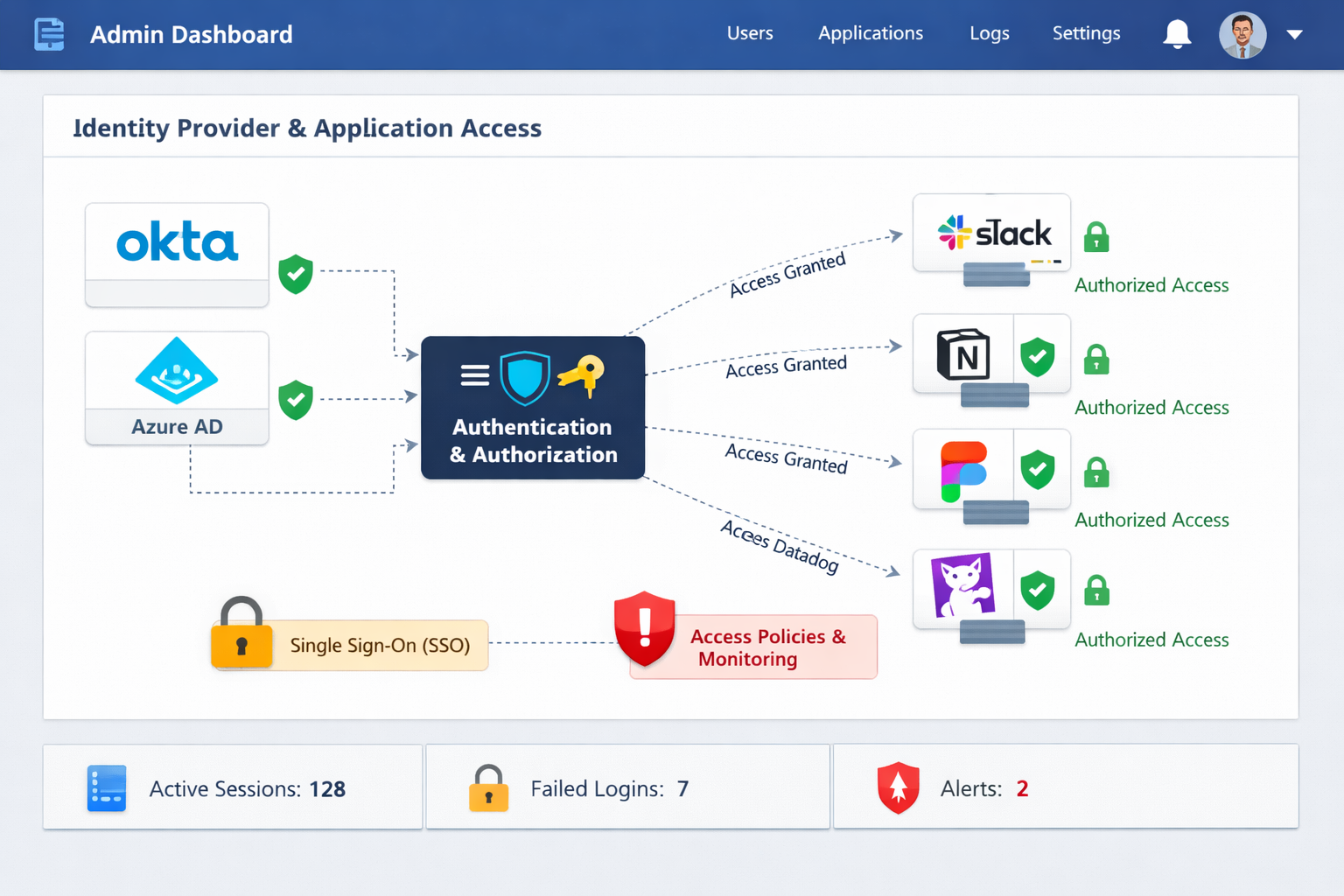
Administrators can now provision MCP connectors for their whole organization through their identity provider, starting with Okta, with users getting connector access automatically on first login and authorization configured centrally by their organization. This eliminates the two-step process that previously required both admin enablement and individual user authorization.
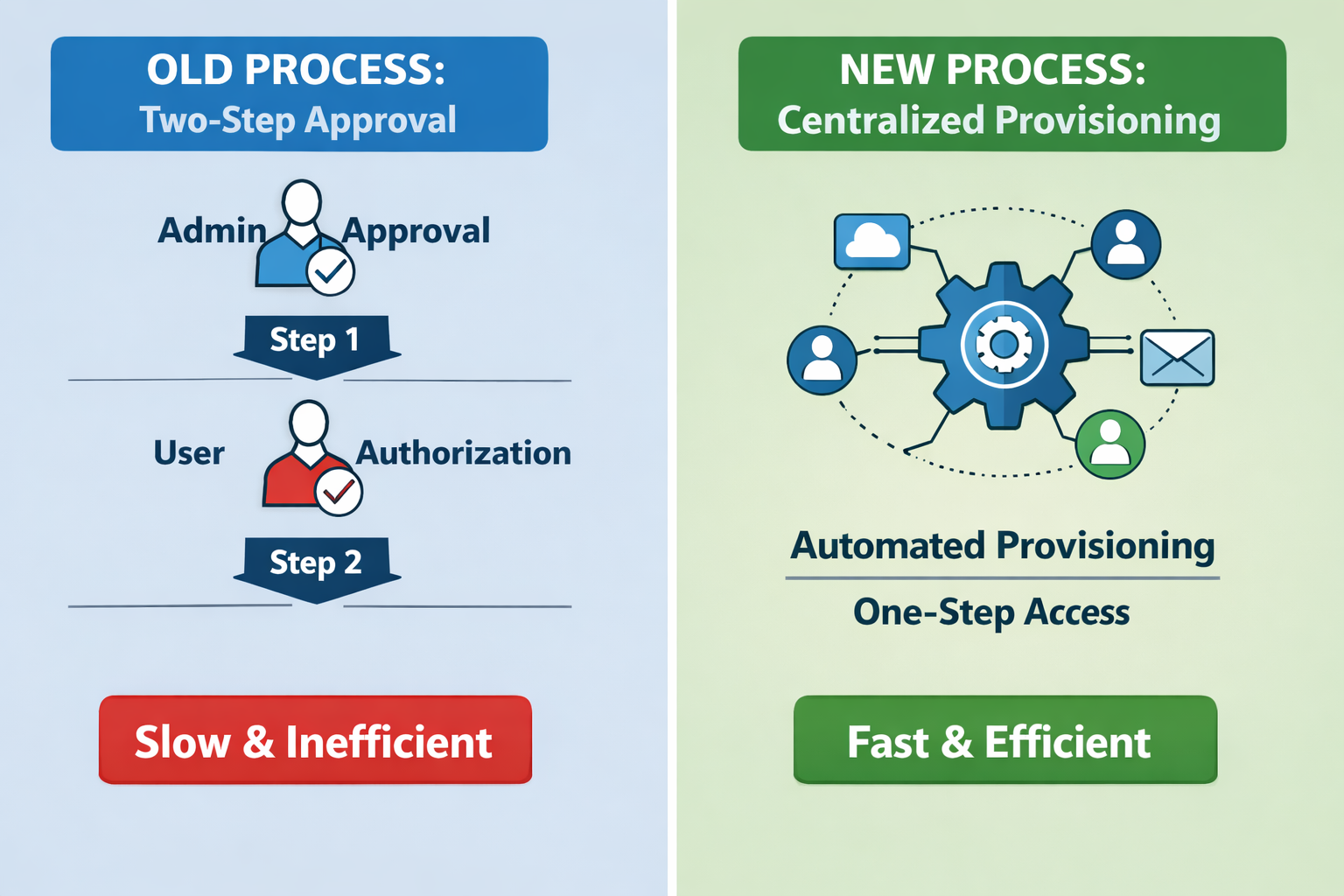
Until now, turning connectors on required action at two steps: admins enabled a connector for the organization, and then every individual user authorized it themselves, but enterprise-managed authorization streamlines that second step. The feature is built on an open extension to the MCP authorization specification, meaning any connector, including custom-built tools, can implement the same centralized authentication behavior.
Expanding Claude’s Enterprise Integration Footprint
The connector expansion reflects Anthropic’s push to embed Claude deeper into enterprise productivity and collaboration stacks. The newly supported tools span project management (Notion, Asana), design workflows (Figma, Canva), communications (Slack, Zoom), monitoring (Datadog), and developer infrastructure (Supabase). This breadth allows organizations to deploy Claude across diverse workflows without requiring employees to manually configure each integration.
Connectors make Claude more useful at work by giving Claude the context it needs from the tools that teams already use. The integration architecture allows Claude to access real-time data from these platforms while maintaining enterprise security boundaries through centralized identity management.
Security and Cybersecurity Capabilities
Alongside the connector updates, Anthropic expanded access to cybersecurity capabilities within Claude through its Mythos 5 model. Claude Security added Mythos 5 scans to its code-scanning beta for enterprise customers, with analysis and suggested fixes flowing through a controlled workflow rather than requiring direct repository access. This security-focused update matters particularly for organizations using Claude Code, Anthropic’s coding assistant, as it integrates model-assisted security review more tightly into code remediation workflows.
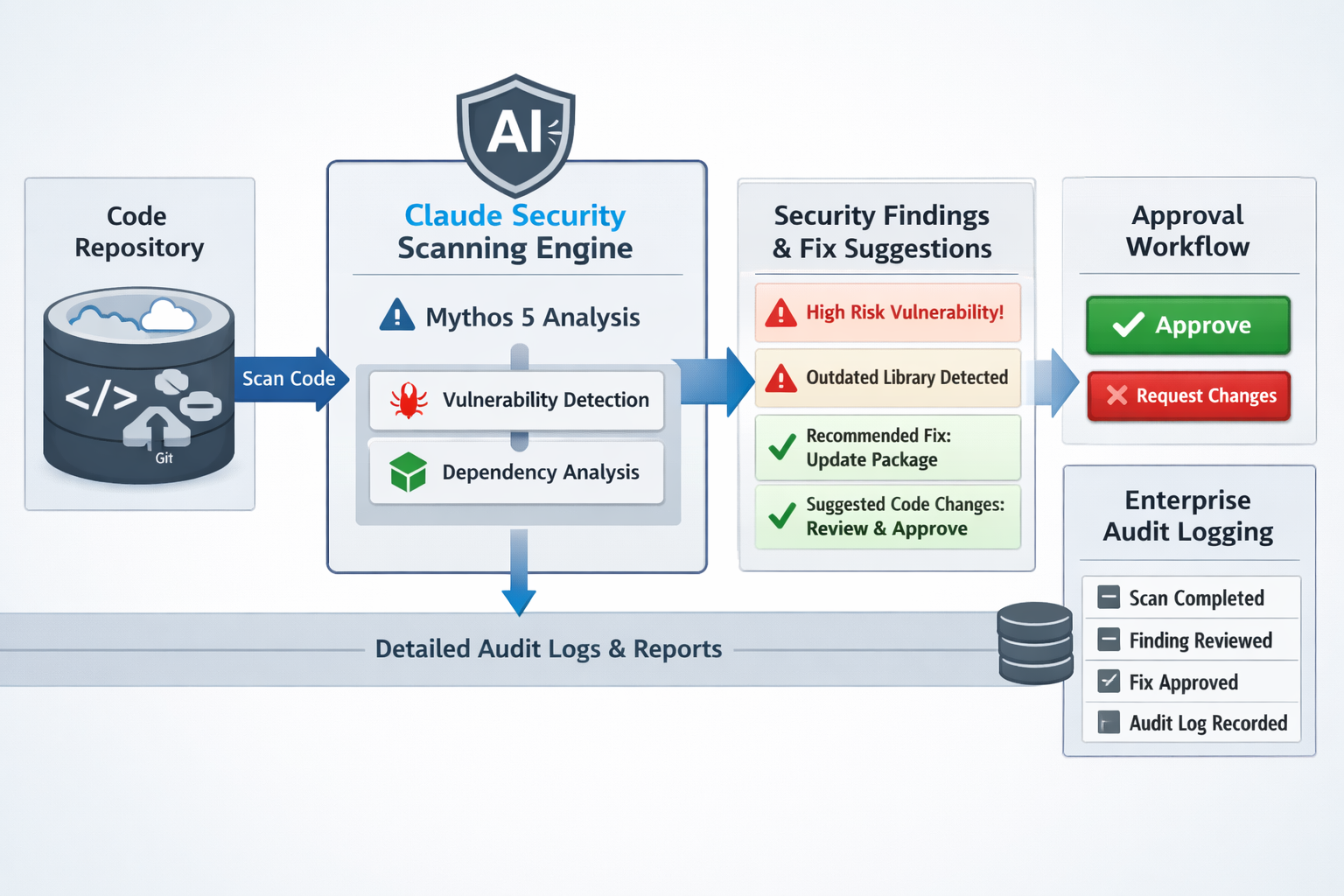
The cybersecurity expansion represents a broader shift in Claude’s positioning, moving beyond general conversational AI toward higher-stakes coding and security applications where enterprise controls and audit trails are essential.
Claude Code Product Updates
In parallel with the enterprise connector rollout, Anthropic made Claude Code’s automatic mode the default setting for Pro, Max, and Team tier users unless manually changed. Automatic mode allows Claude Code to execute multi-step development tasks with less manual intervention, handling workflows like file creation, code generation, testing, and debugging in sequence.
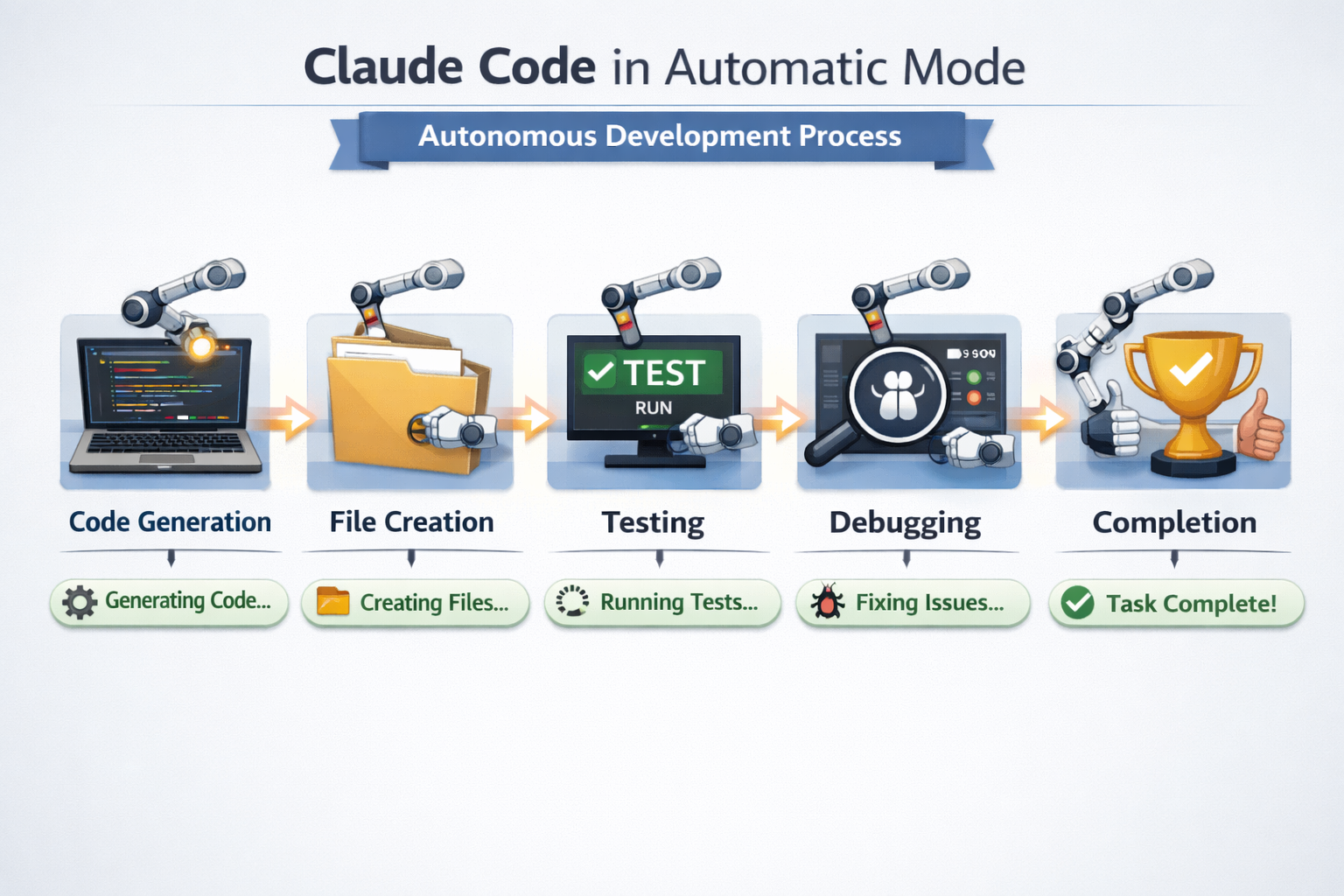
The default-mode change suggests Anthropic’s confidence in the reliability of Claude Code’s autonomous capabilities and reflects usage patterns showing that most users prefer automatic execution over step-by-step confirmation. The update applies to existing subscribers immediately, though users can revert to manual approval mode through account settings.
Operational Context
The announcements came amid a service disruption affecting Claude models on August 25, 2026, with users reporting overload errors across multiple tiers. Anthropic acknowledged the incident and stated it was working to reduce failure rates, though the outage was unrelated to the new enterprise features, which rolled out the day prior.
Key Facts
- Enterprise-managed authorization for MCP connectors launched on August 24, 2026, supporting Okta as the initial identity provider.
- Supported connectors now include Datadog, Notion, Slack, Asana, Atlassian, Canva, Figma, Granola, Linear, and Supabase, with Exa, Miro, and Zoom coming soon.
- Claude Security integrated Mythos 5-based code scanning for enterprise customers, enabling security analysis without direct repository access.
- Claude Code’s automatic mode became the default for Pro, Max, and Team users.
- The enterprise-managed auth feature is built on an open MCP authorization extension, allowing custom connectors to adopt the standard.
Sources
- Anthropic: Centrally manage authorization for MCP connectors
- Cybersecurity News: Anthropic rolls out enterprise-managed auth for Claude’s MCP connectors
- WindowsForum: Claude Security adds Mythos 5 scans without direct access
- DigitalToday: Anthropic expands access to cybersecurity capabilities based on Claude Mythos5