Truck Accident in Greenville, SC: What Victims Need to Know to Protect Their Claim
Mike Gingerich
12 min read
 12 min read
Why Truck Accidents Are Categorically Different From Car Accidents
The first thing to understand about a commercial truck accident is that it is not simply a larger version of a car accident. It is a different category of legal case entirely. The physical reality alone distinguishes them. A fully loaded commercial truck outweighs a passenger vehicle by 20 to 30 times. At highway speed, the kinetic energy involved in a truck collision produces forces that passenger vehicles and their occupants simply cannot absorb. Traumatic brain injury, spinal cord damage, crush injuries, amputations, and fatalities are common outcomes that would be survivable in a lower-speed, lower-mass collision. The legal complexity compounds the physical severity. Where a car accident typically involves two drivers and their insurers, a truck accident can involve the truck driver, the trucking company, the cargo loading company, the truck manufacturer, the parts supplier, the maintenance contractor, and the shipper — each with their own insurance policy, their own legal team, and their own interest in minimising liability. Federal law adds another layer. Commercial trucking is governed by the Federal Motor Carrier Safety Administration (FMCSA) — a body of federal regulations covering driver licensing, hours of service, vehicle maintenance, weight limits, cargo securing, drug and alcohol testing, and much more. Violations of FMCSA regulations can constitute negligence per se — establishing liability without requiring separate proof of negligence. Finding and documenting those violations is one of the most valuable things an experienced truck accident attorney does.Greenville’s Freight Corridor and Why Truck Accident Risk Is Elevated Here
Greenville’s position in South Carolina’s Upstate region makes it one of the most commercially active freight zones in the Southeast — and one of the higher-risk environments for truck accident victims in the state. I-85 through the Greenville-Spartanburg metro carries an exceptionally high percentage of commercial truck traffic year-round. The BMW manufacturing plant in Spartanburg generates substantial just-in-time component delivery traffic — dozens of supplier trucks arriving daily on a tight schedule that creates speed and fatigue pressure. Michelin’s operations add significant heavy equipment transport activity. The Port of Charleston’s cargo flows up through this corridor via I-26 and I-85, and the distribution centre concentration in the area around I-385 and Woodruff Road adds urban freight volume to an already busy interstate network. For Greenville residents and workers who commute on these corridors daily, the exposure to commercial truck traffic is constant. Understanding what to do when an accident happens — and how quickly the legal clock starts ticking — is not hypothetical risk management. It is practical knowledge for anyone who drives in the Upstate.Common Causes of Truck Accidents in the Greenville Area
Understanding what caused the accident is the foundation of identifying who is liable. These are the most common causes of serious truck accidents in and around Greenville. Driver fatigue is the leading cause of commercial truck accidents nationally. Hours of Service (HOS) regulations limit how long a driver can operate before mandatory rest — but schedule pressure, bonus structures, and deliberate logbook falsification create persistent violations. ELD (Electronic Logging Device) data, now mandatory for most commercial carriers, records actual driving time and can prove HOS violations objectively. Distracted driving — phone use, eating, in-cab screens, and distraction from dispatching systems — is a growing cause of truck accidents as in-cab technology proliferates. Speeding and following too closely are particularly dangerous with commercial vehicles given their stopping distances. A fully loaded truck travelling at 65 mph requires roughly twice the stopping distance of a passenger vehicle at the same speed. Improper cargo loading causes shifting loads, rollovers, and jackknife accidents. When cargo is not properly secured or weight is not properly distributed, the truck’s handling changes dramatically — and suddenly. Cargo loading companies bear liability when improper loading contributes to an accident. Brake failure and deferred maintenance are persistent issues in carriers that prioritise uptime over safety compliance. Maintenance records and inspection logs are critical evidence in these cases. Blind spot accidents — particularly lane change collisions where the truck driver fails to check mirrors or uses inadequate mirrors — are a consistent cause of serious crashes on Greenville’s multi-lane interstate corridors. Driver impairment from alcohol, prescription medication, or controlled substances remains a contributing factor in a proportion of serious truck accidents. FMCSA drug and alcohol testing records can be obtained through the legal discovery process.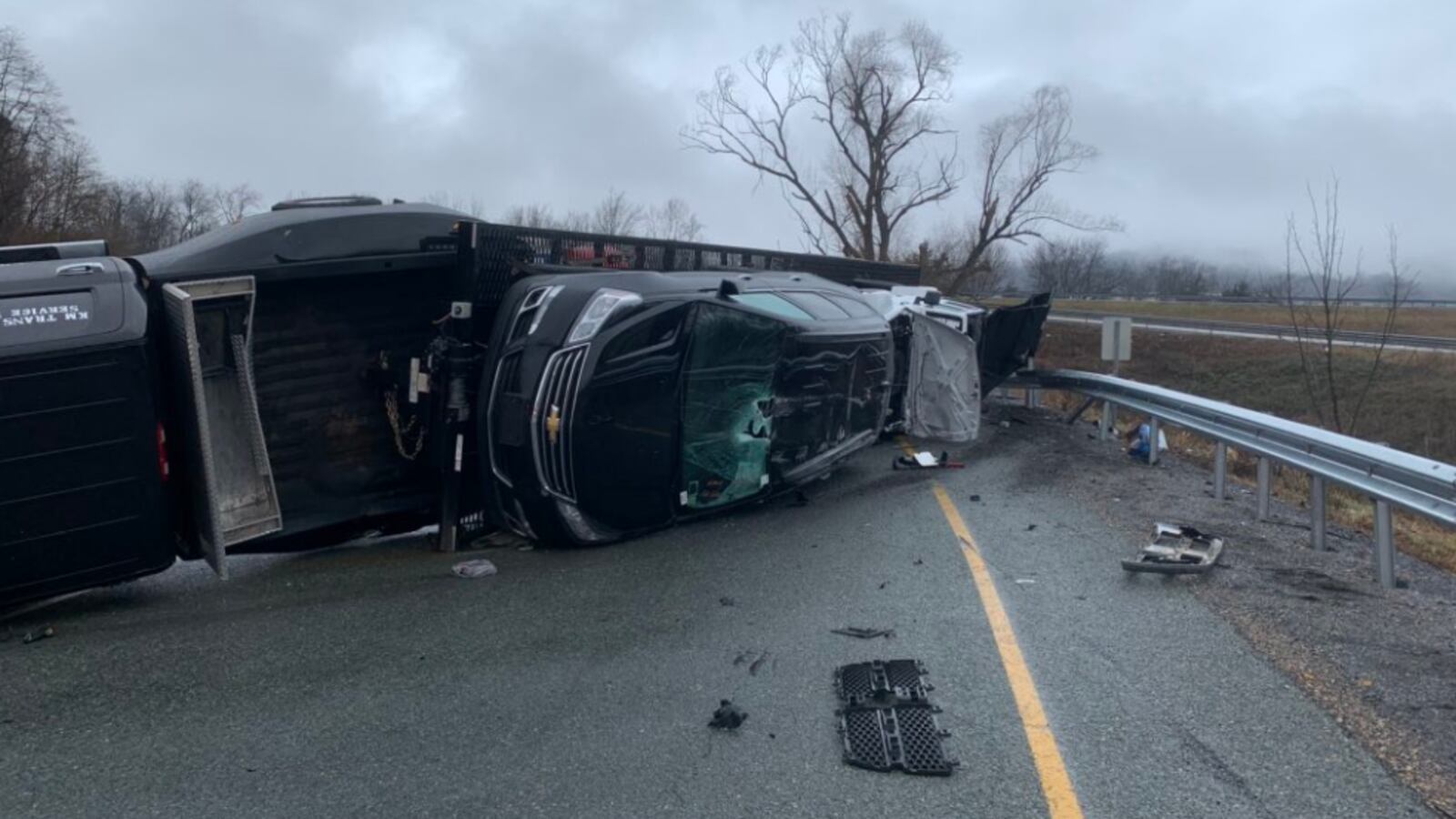
Who Can Be Held Liable in a Greenville Truck Accident?
One of the most important advantages of experienced truck accident representation is the systematic identification of all potentially liable parties. Each additional liable party represents an additional insurance policy — and potentially a significantly larger total recovery. The truck driver bears direct liability for negligent operation: fatigue, distraction, speeding, impairment, or any other failure to operate the vehicle safely. The trucking company is vicariously liable for its driver’s actions and directly liable for its own failures: negligent hiring and retention, inadequate training, pressure on drivers to violate HOS regulations, and failure to maintain vehicles properly. Trucking companies often attempt to classify drivers as independent contractors to avoid vicarious liability — an argument that experienced attorneys frequently defeat based on the actual degree of control exercised. The cargo loading company bears liability when improper loading, inadequate securing, or overloading contributed to the accident. This is a separate party from the trucking company in many cases. The truck manufacturer or parts supplier faces product liability when a defective component — brakes, tyres, steering, coupling systems — contributed to the accident. These claims run parallel to negligence claims and can significantly increase total recovery. The maintenance contractor is liable when failure to properly service the vehicle contributed to mechanical failure. Maintenance records — or the absence of them — are critical evidence. The shipper or freight broker can bear liability in certain circumstances, particularly when they imposed schedule demands that pressured the driver into HOS violations, or when they knew or should have known about safety violations in the carrier they hired.The Evidence That Wins Truck Accident Cases and Why It Disappears Fast
Truck accident cases have an evidence preservation urgency that no other personal injury case matches. Trucking companies know what data exists and how quickly it can be legally destroyed — and they move fast after serious accidents. Electronic Logging Device (ELD) data records actual driving time, rest periods, and HOS compliance. This data is typically retained for only a limited period before being overwritten. An attorney can send a legal preservation letter immediately — but only if engaged quickly. Electronic Control Module (ECM) / black box data records speed, braking, throttle position, and other operational data in the seconds and minutes before impact. This is often the most objective evidence of driver behaviour at the moment of the crash. ECM data retention varies by vehicle and manufacturer. Driver qualification files contain hiring records, training documentation, prior traffic violations, drug and alcohol test history, and medical certifications. These establish whether the driver was properly qualified and whether the company knew of prior safety issues. Vehicle maintenance and inspection records document the service history of the truck and can reveal brake issues, tyre wear, or other mechanical problems that preceded the accident. Dashcam and surveillance footage from the truck’s own cameras, nearby business cameras, and traffic monitoring systems can provide objective footage of the crash itself. This footage is overwritten on regular cycles — sometimes as short as 24 hours — and must be preserved immediately. Cell phone records establish whether the driver was using their phone at the time of the crash — a finding that can support distracted driving claims and, in egregious cases, punitive damages. The most important action after a serious Greenville truck accident is engaging an attorney who can immediately send preservation letters to the trucking company, its insurers, and relevant third parties demanding retention of all this evidence. Every day of delay is a day that critical data may be lost.South Carolina Law and How It Applies to Truck Accident Claims
South Carolina personal injury law governs the state-law aspects of Greenville truck accident claims, while FMCSA federal regulations layer on top for federally regulated commercial carriers. South Carolina follows modified comparative fault with a 51% bar. You can recover damages as long as you are found 50% or less at fault for the accident. At 51% or more fault, you recover nothing. Your compensation is reduced proportionally by your fault percentage below the bar. The statute of limitations for personal injury claims in South Carolina is three years from the date of the accident. Wrongful death claims carry a three-year deadline from the date of death. If your accident involved a government vehicle — a municipal truck, a county vehicle, a South Carolina DOT vehicle — a tort claims notice must be filed within the applicable government claims deadline, which is typically shorter than the general personal injury limitation. Government claims in South Carolina require specific procedural compliance that makes early legal engagement essential.What Damages Can Greenville Truck Accident Victims Recover?
The damages available in a truck accident case reflect the severity of the injuries these accidents typically produce. Economic damages cover medical expenses — emergency care, surgery, hospitalisation, rehabilitation, future medical treatment — along with lost wages during recovery, reduced future earning capacity for serious or permanent injuries, vehicle replacement costs, and related out-of-pocket expenses. Non-economic damages cover pain and suffering, emotional distress, loss of enjoyment of life, disfigurement, and the long-term human impact of permanent injury. These are frequently the largest component of a serious truck accident settlement. Punitive damages are available in South Carolina when the at-fault party’s conduct was wilful, wanton, or reckless. Drunk driving, deliberate HOS violations, and knowingly operating a mechanically defective vehicle are all potential bases for punitive damages — which are designed to punish especially egregious conduct and can significantly increase total recovery.The Financial Impact on Greenville’s Business Community
Greenville’s Upstate economy is built on manufacturing, logistics, professional services, and a growing entrepreneurial sector. For business owners and self-employed professionals in these industries, a serious truck accident creates immediate and potentially prolonged financial consequences beyond medical costs. Vehicle dependency is high across Greenville’s industrial and commercial community. Contractors, logistics coordinators, sales professionals, and field service workers who cannot operate their vehicles face direct income loss from day one. These losses are compensable but require careful documentation. For self-employed individuals and small business owners without employer disability coverage, every day of physical incapacity is lost revenue. Canceled client engagements, delayed projects, and the cost of temporary coverage all carry dollar values that belong in a properly documented truck accident claim.When to Hire a Truck Accident Attorney in Greenville
Truck accident cases require specialised expertise that general personal injury practice doesn’t provide. The federal regulatory layer, the multi-party liability identification, the urgent evidence preservation requirements, and the scale of the damages all demand an attorney with specific truck accident experience and the resources to handle complex litigation. Trucking companies and their insurers deploy rapid response teams after serious accidents investigators, lawyers, and adjusters arrive at the scene or engage immediately, often before the victim has left the hospital. Their goal is evidence preservation in their favour and early settlement offers that close the claim before its full value is understood. An experienced truck accident attorney matches that response: sending preservation letters immediately, engaging accident reconstruction experts, obtaining all available data, identifying every liable party, and building a case that supports full compensation in settlement negotiations and, when necessary, at trial. If you’ve been seriously injured in a Greenville area truck accident, working with an experienced Truck Accident Attorney Greenville as soon as possible is the most important step you can take to protect your evidence, your rights, and your financial recovery. When choosing representation, look for specific truck accident experience including FMCSA regulatory knowledge, a track record of successful multi-party truck accident cases, resources to handle complex litigation, and trial experience. Most offer free initial consultations bring whatever documentation you have from the scene, any medical records received, and your insurance information.