GitHub Releases GEO-SEO Skill for Claude Code
 4 min read
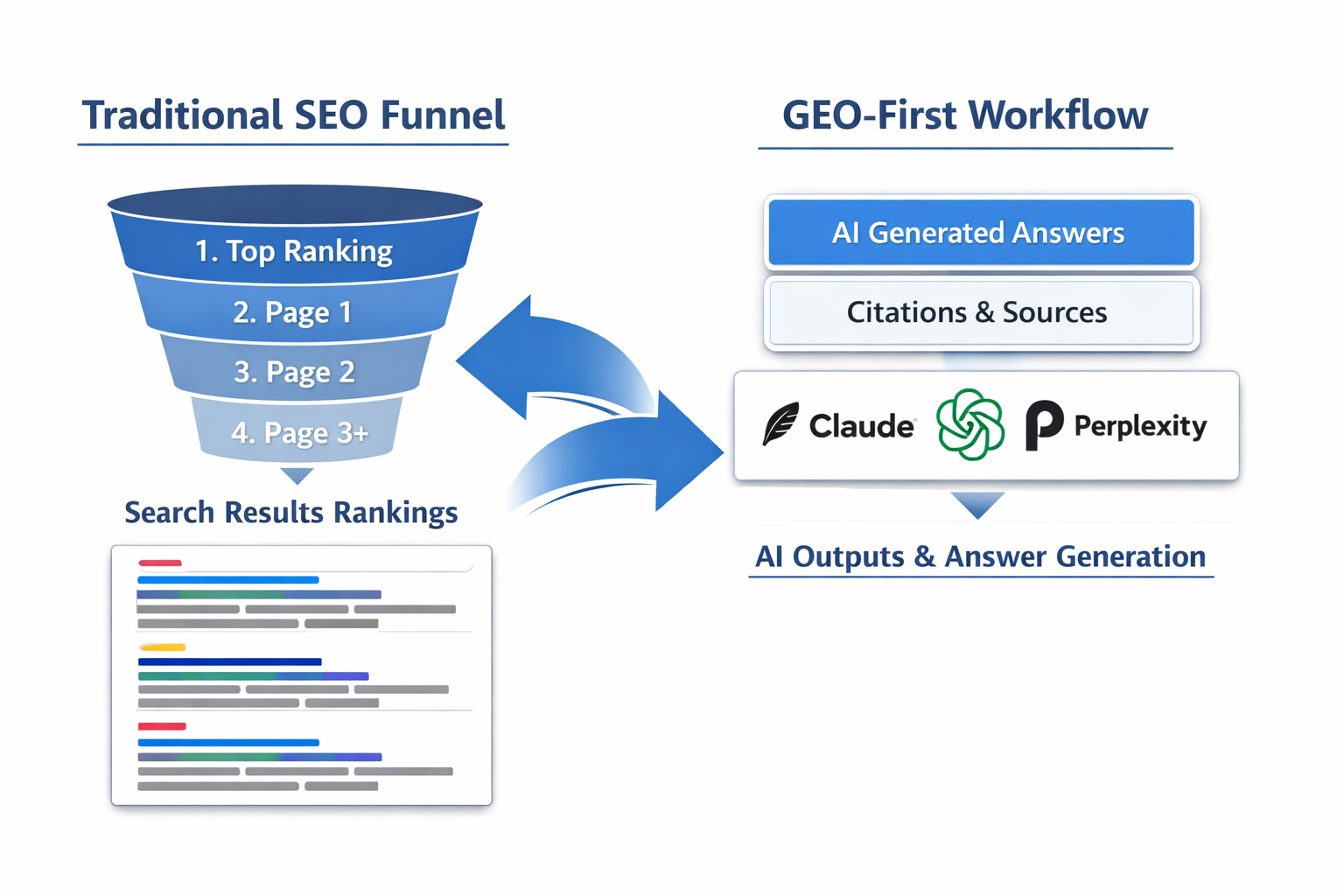
A new GitHub repository released this week introduces a comprehensive skill package that enables Claude Code to optimize content for AI-generated answers across multiple platforms, marking a shift from traditional search engine optimization to what developers are calling “GEO-first” workflows. The GEO-SEO skill for Claude Code aims to improve visibility in systems including Claude, ChatGPT, Perplexity, and Google AI Overviews, framing generative engine optimization as a distinct layer beyond conventional SEO practices.
The release comes as Anthropic introduces significant changes to its Claude product family, including invisible watermarking across all Claude outputs to comply with EU transparency regulations and a one-click design handoff workflow that connects Claude Design prototypes directly to Claude Code for production builds.
What GEO-First Optimization Means for AI Development
The GitHub skill package positions generative engine optimization as fundamentally different from search engine optimization. While traditional SEO focuses on ranking in search results, GEO targets how AI systems surface, cite, and present information when generating answers. The repository describes this as optimization for “AI search visibility” rather than organic search placement alone.
This approach reflects broader industry momentum around AI-era content strategy. Testing of AI SEO tools in 2026 shows growing platform support for tracking brand visibility in AI responses and measuring citation frequency across generative engines. International coverage, including Russian-language analysis, discusses how brands are attempting to become visible within neural network outputs as a distinct marketing challenge.
The skill package for Claude Code represents one of the first publicly available toolkits designed to operationalize GEO principles directly within an AI coding agent. By embedding these optimization strategies into the development workflow itself, the approach integrates visibility planning into the build process rather than treating it as a post-production concern.
Claude Code Workflow Changes
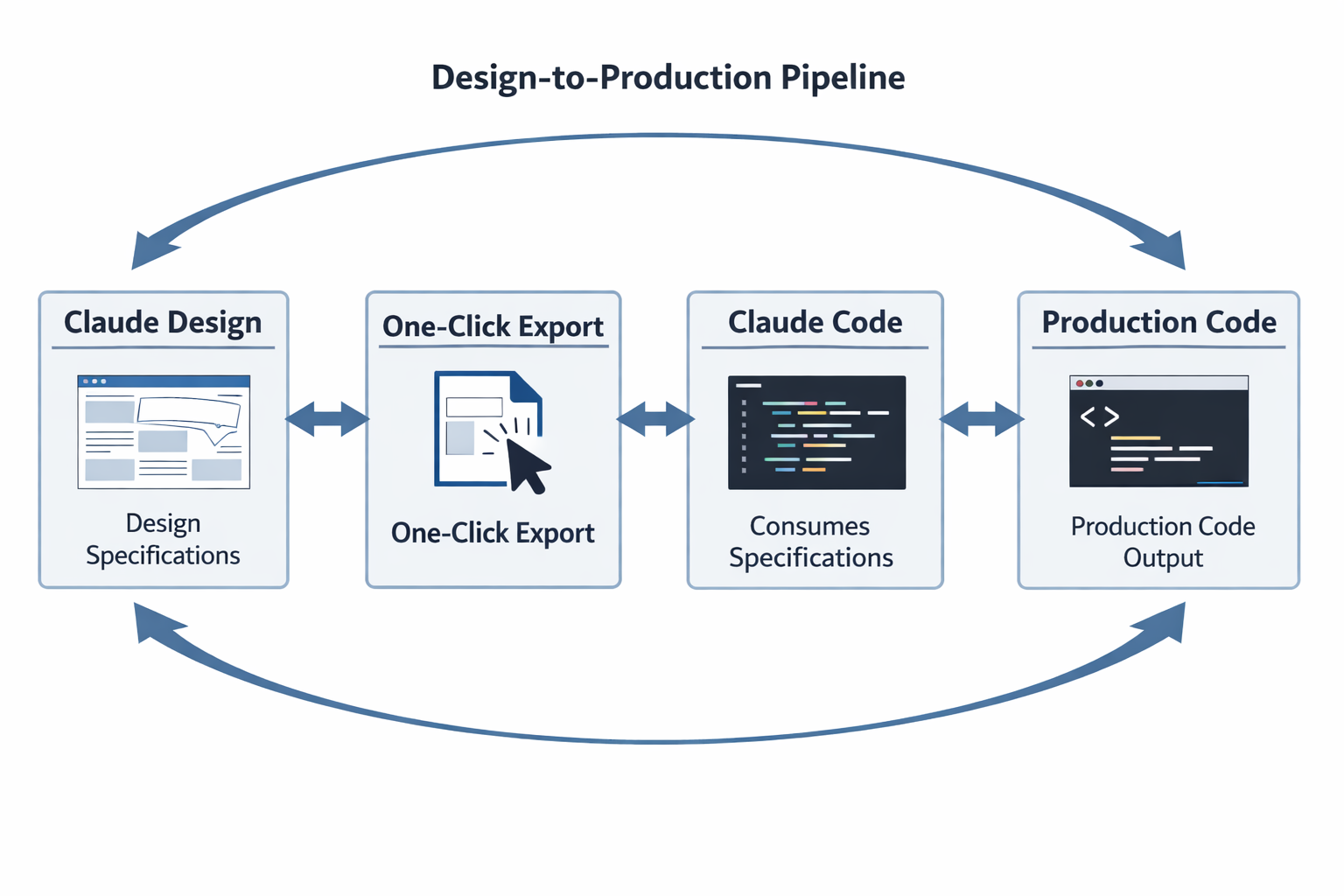
Anthropic has streamlined the path from design to deployment with a new export mechanism. Claude Design now generates machine-readable specification bundles that Claude Code can consume directly, creating what the company describes as a “closed design-to-production loop.” This one-click handoff reduces manual translation between design intent and implementation.
However, the expanding capabilities of AI-assisted development have prompted calls for stronger verification practices. A recent workflow analysis emphasizes the need to validate what agentic coding tools actually ship, noting that rapid iteration cycles can obscure gaps between intended and delivered functionality. This validation concern applies to both traditional feature development and newer optimization workflows like GEO implementation.
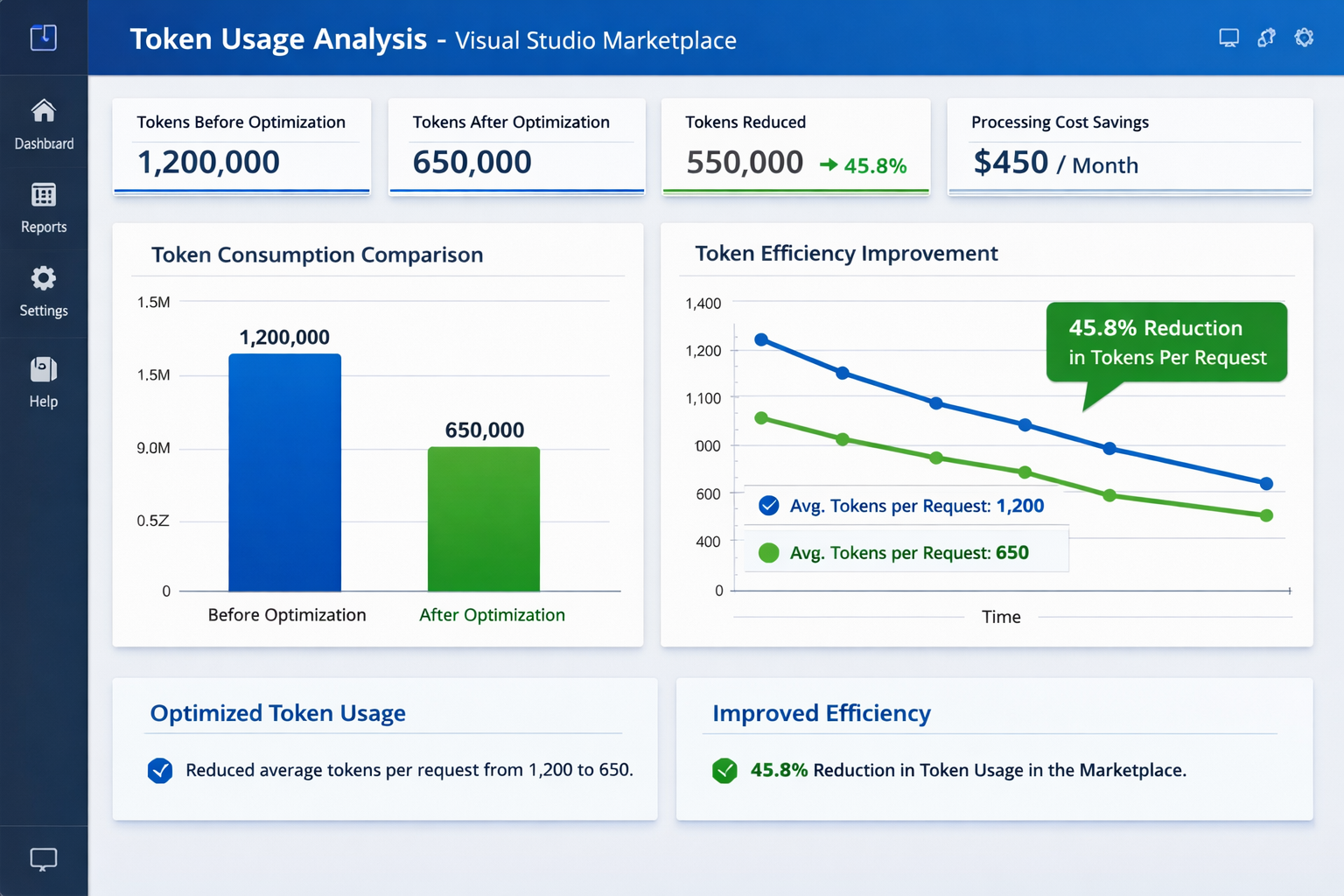
Developers working with Claude Code can now access a token optimizer extension through the Visual Studio Marketplace. The tool analyzes session transcripts to identify opportunities for reducing token consumption and improving agent efficiency, addressing cost management as Claude Code handles increasingly complex tasks.
Watermarking and Transparency Requirements
All Claude outputs, including code generated by Claude Code, now carry invisible watermarks as part of Anthropic’s response to EU transparency rules. The watermarking technology can survive copy-paste operations in some cases, though analysis of what the watermarks indicate shows they reveal that content may have been processed by Claude rather than proving definitive authorship.
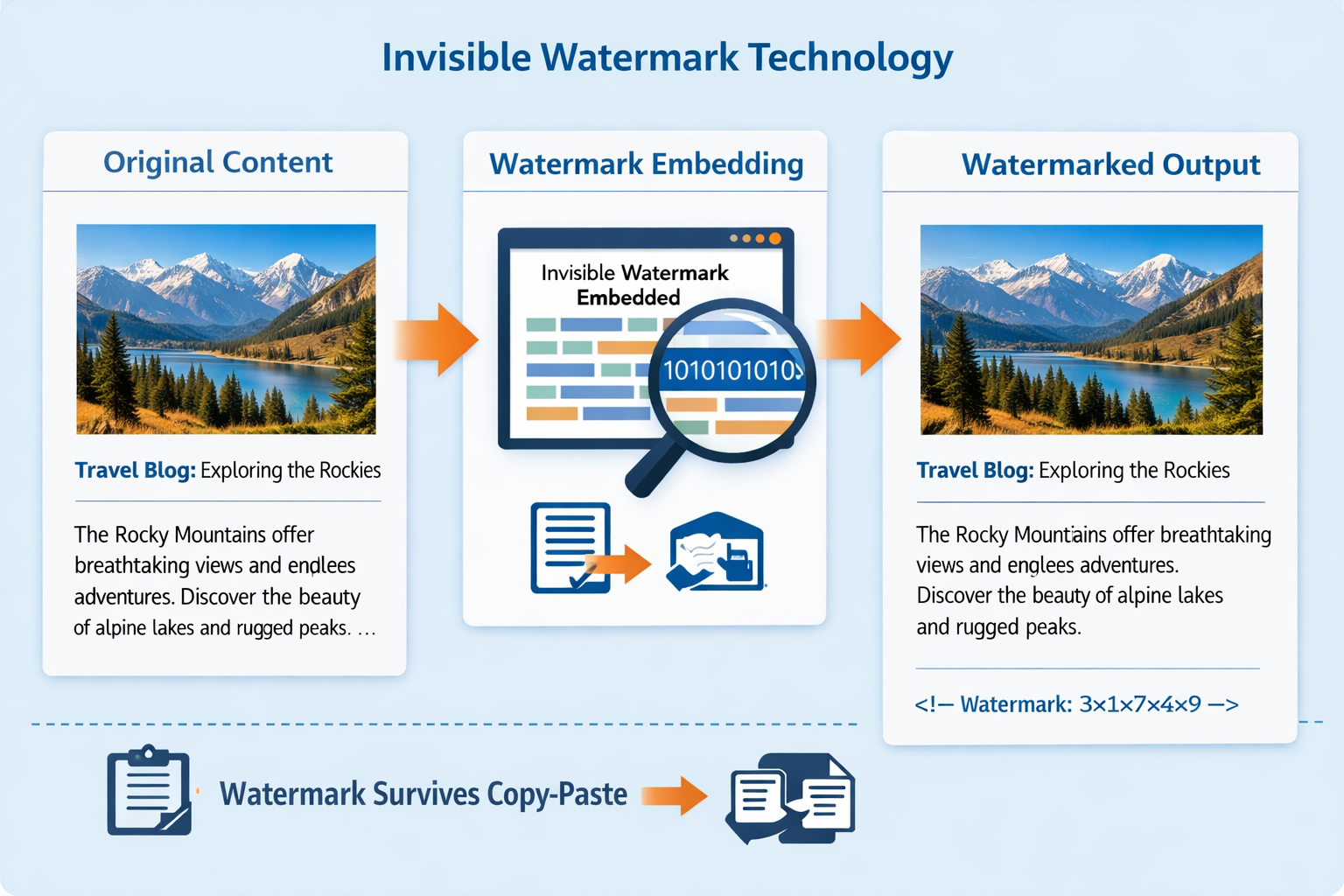
This change affects workflows across the Claude product family. Developers using Claude Code to generate production code, content creators using Claude for writing, and teams using Claude Design for prototyping all now work with watermarked outputs. The implementation reflects broader industry movement toward AI output transparency as regulatory frameworks solidify.
Broader Context for AI Web Development
The GEO-first skill package arrives as AI website builders expand their capabilities. Recent surveys of AI site builders show platforms incorporating design-to-publish workflows similar to Claude’s new handoff mechanism, with tools like Framer offering Figma-like canvases that reduce friction between design and deployment.
Automated publishing platforms targeting GEO and SEO for founders position AI-era visibility as a primary product benefit, suggesting that optimization for generative engines is moving from experimental technique to core marketing infrastructure. The GitHub skill package fits within this transition by providing concrete implementation guidance for developers working directly with AI coding agents.
Key Facts
- New GitHub repository provides GEO-first SEO skill for Claude Code, targeting visibility in Claude, ChatGPT, Perplexity, and Google AI Overviews
- Claude Design now exports prototypes directly to Claude Code through one-click handoff with machine-readable specifications
- Anthropic has implemented invisible watermarking across all Claude outputs to comply with EU transparency regulations
- Token optimizer extension now available for Visual Studio to analyze Claude Code sessions and reduce costs
- Industry tooling increasingly tracks brand citation frequency in AI-generated answers as distinct from traditional search metrics
Sources
- GEO-first SEO skill for Claude Code – GitHub
- Claude Design handoff – claudefa.st
- Claude watermarking announcement – Ahrefs
- Verification in AI-assisted development – Search Engine Land