Anthropic’s Claude Code Adds Inter-Session Messaging; Auto Mode Default
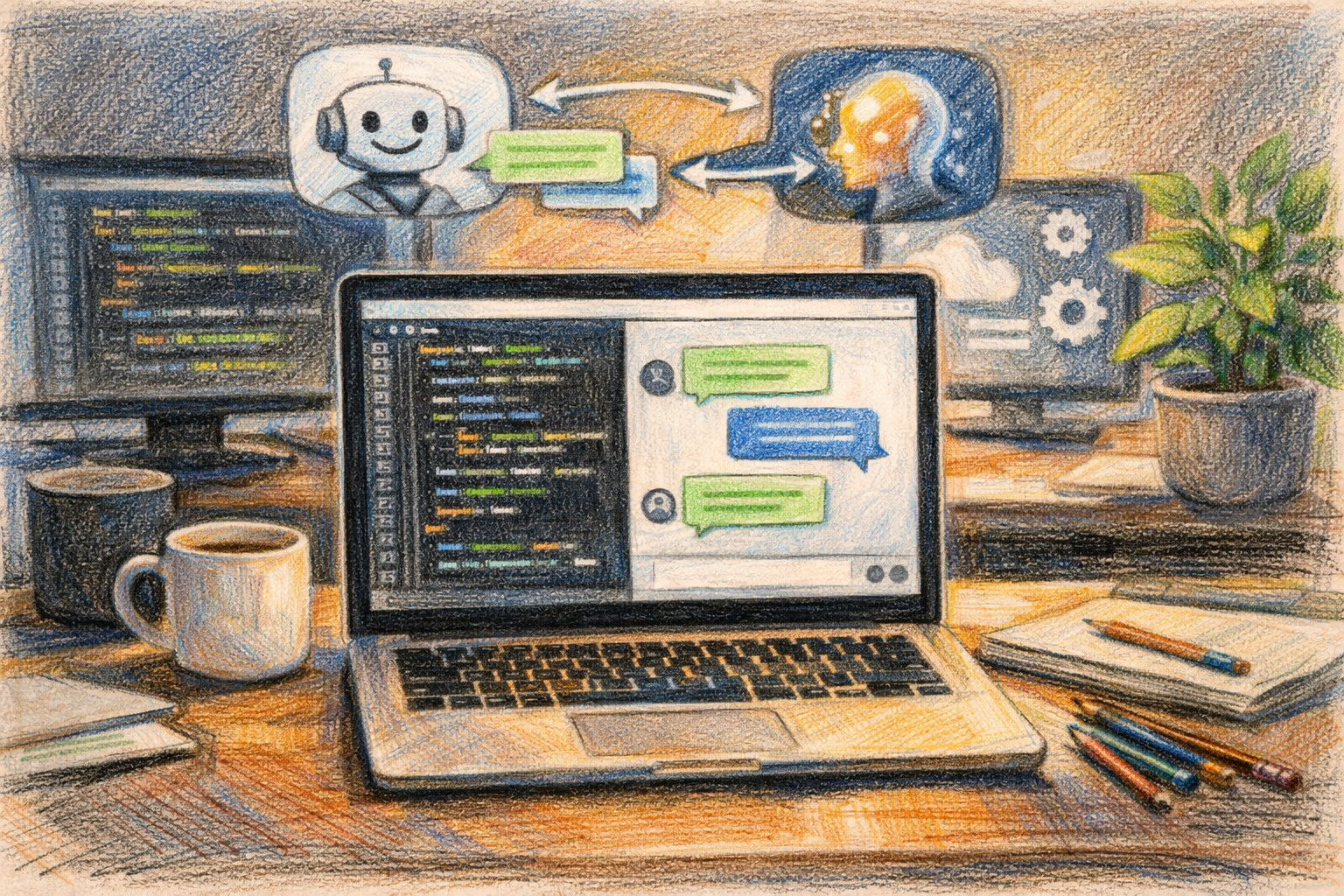
Anthropic announced on August 8, 2026, that its Claude Code AI assistant now enables separate active sessions to communicate directly with each other, marking a significant expansion in how AI agents can collaborate on coding tasks. The feature allows AI sessions to message each other directly, helping them share findings and coordinate work without human intervention. Additionally, Anthropic confirmed that Auto Mode will become the default permission setting for Claude Code Pro, Max, and Team users starting August 14, a change driven by safety research showing automated classifiers outperform human oversight in catching dangerous commands.
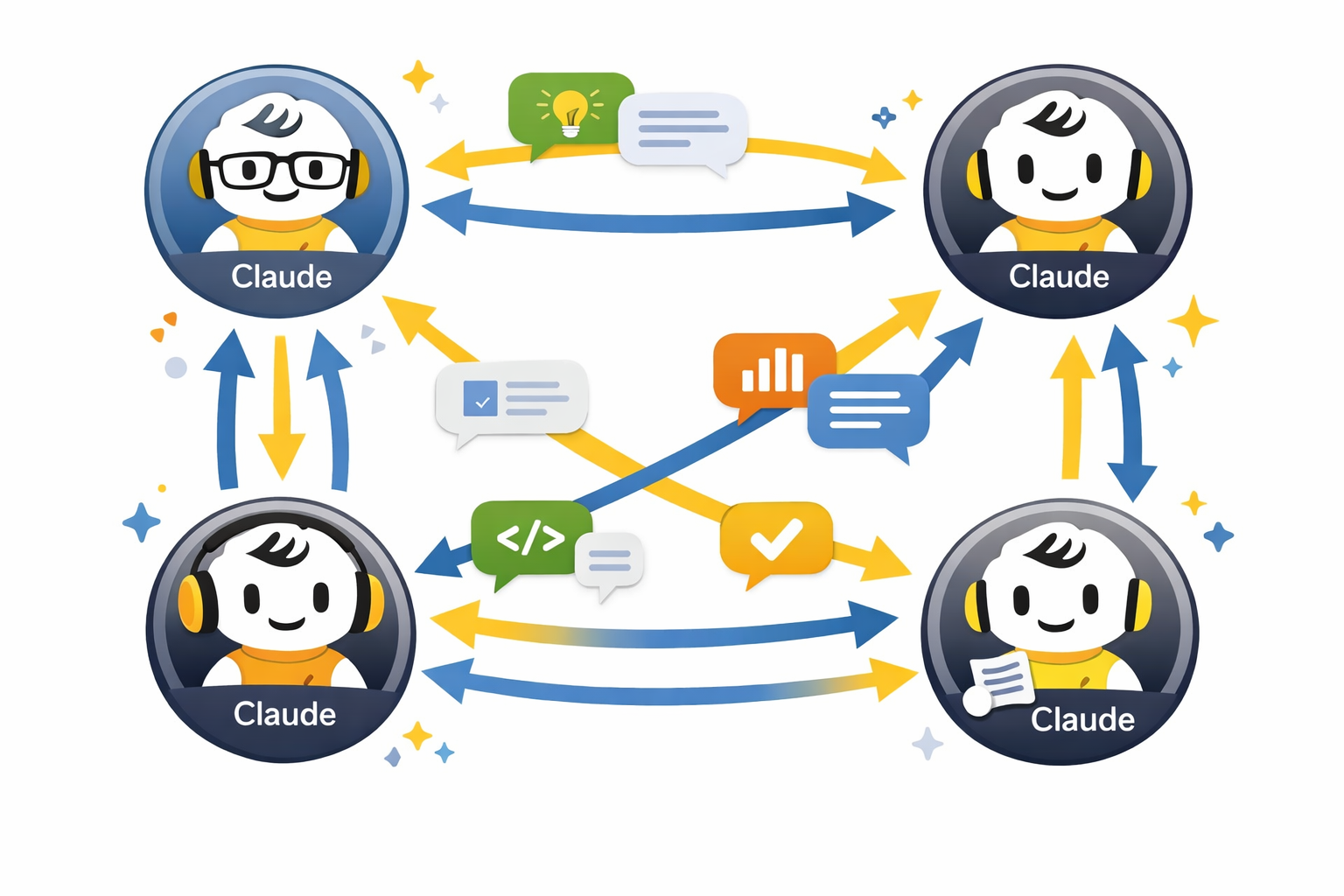
Inter-Session Messaging Enables AI Collaboration
The newly introduced multi-session messaging feature represents a fundamental shift in how Claude Code handles complex development workflows. The update allows separate sessions to exchange relevant context directly, which Anthropic positions as a way to maintain workflow continuity for developers working across multiple coding threads simultaneously.
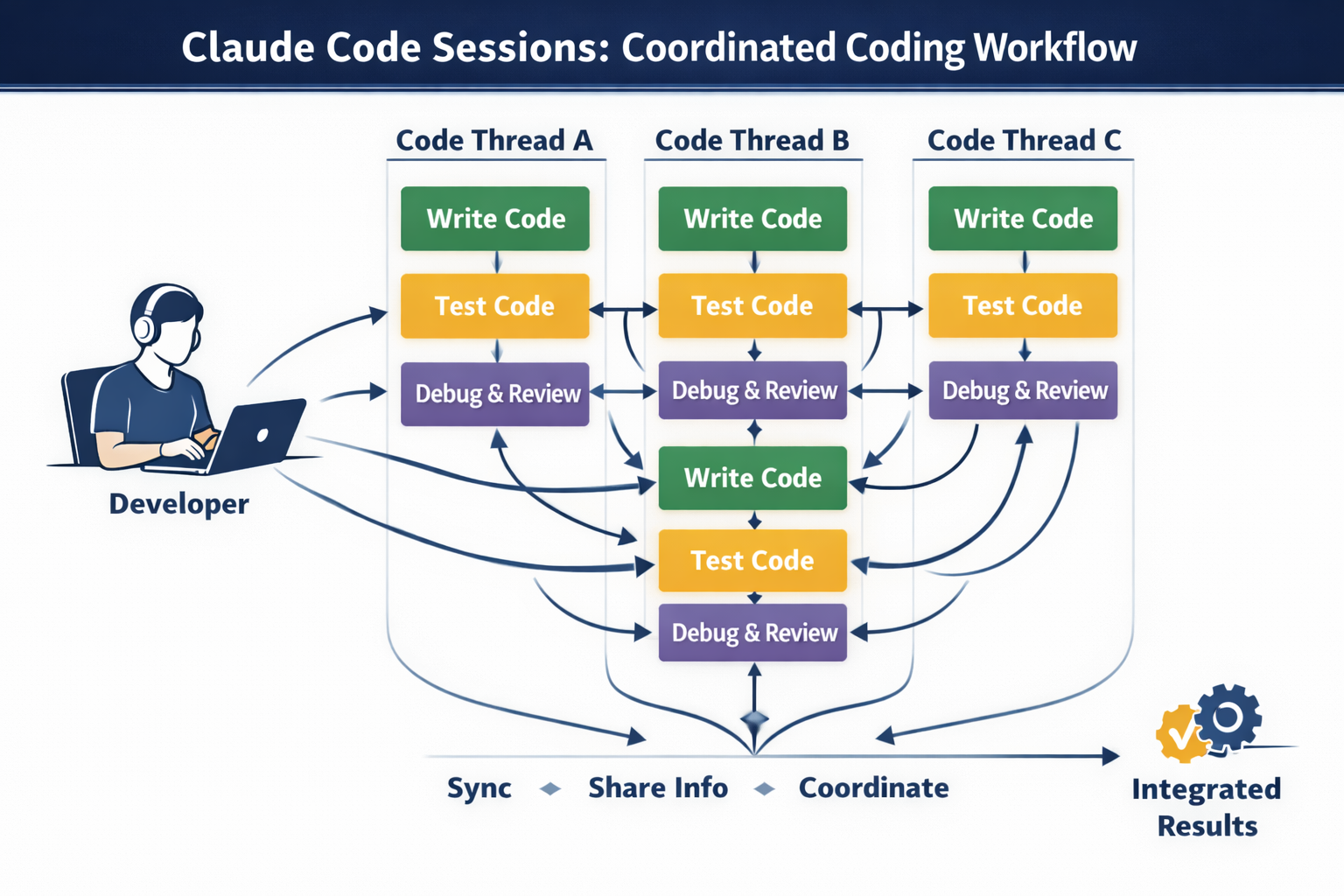
The feature sends plain-text summaries only, and it does not share files or conversation history. This limitation appears designed to balance collaboration capabilities with security concerns, though the introduction of inter-agent communication has raised questions about potential vulnerabilities.
Claude Code v2.1.224 introduced self-hosted environments and inter-agent messaging, while also flagging potential prompt-injection and worm-style security risks. These concerns reflect broader industry discussions about the security implications of AI agents that can autonomously interact with each other.
Auto Mode Becomes Default Amid Safety Research
Anthropic is making Auto Mode the default permission setting for Claude Code for Pro, Max, and Team users starting August 14. This change shifts the assistant from requiring manual approval for potentially risky operations to automatically executing commands based on its safety classifier.
The decision is backed by internal research comparing human and automated command screening. Anthropic’s testing found the classifier caught 89% of dangerous commands, far above manual approval at 14%. This substantial performance gap suggests that human reviewers may miss the majority of risky operations, either due to oversight or lack of technical context to identify potential security issues.
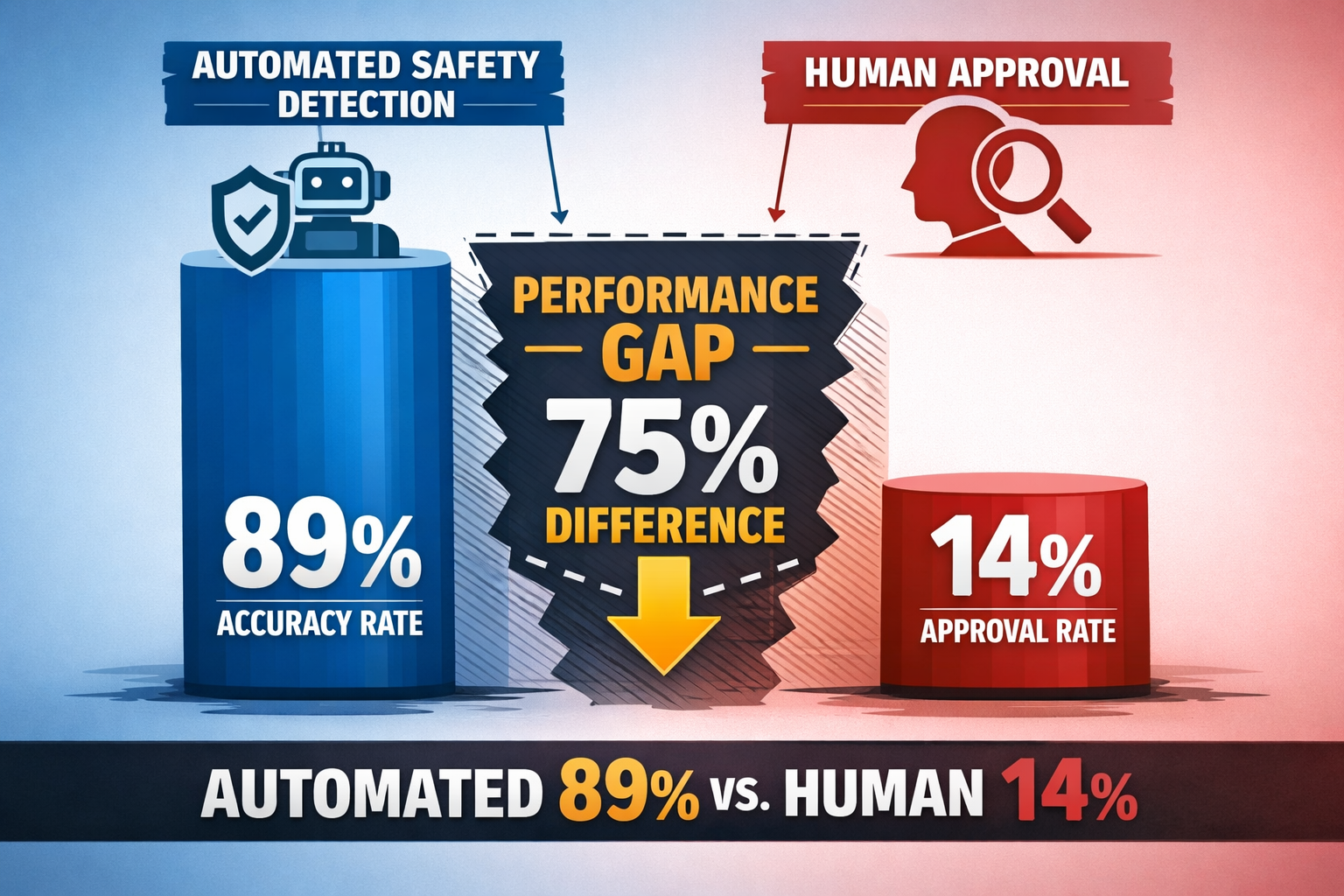
The shift to Auto Mode as the default setting reflects Anthropic’s confidence in its safety systems, though users will likely retain the option to revert to manual approval modes if they prefer more direct control over command execution.
Enhanced Workflow Automation Features
Beyond inter-session messaging, Claude Code has introduced several additional workflow capabilities. Claude Code added scheduled routines, screen-recorded demonstration parsing for custom skills, and parallel multi-agent execution. These features collectively position the tool as a more comprehensive automation platform rather than a simple coding assistant.
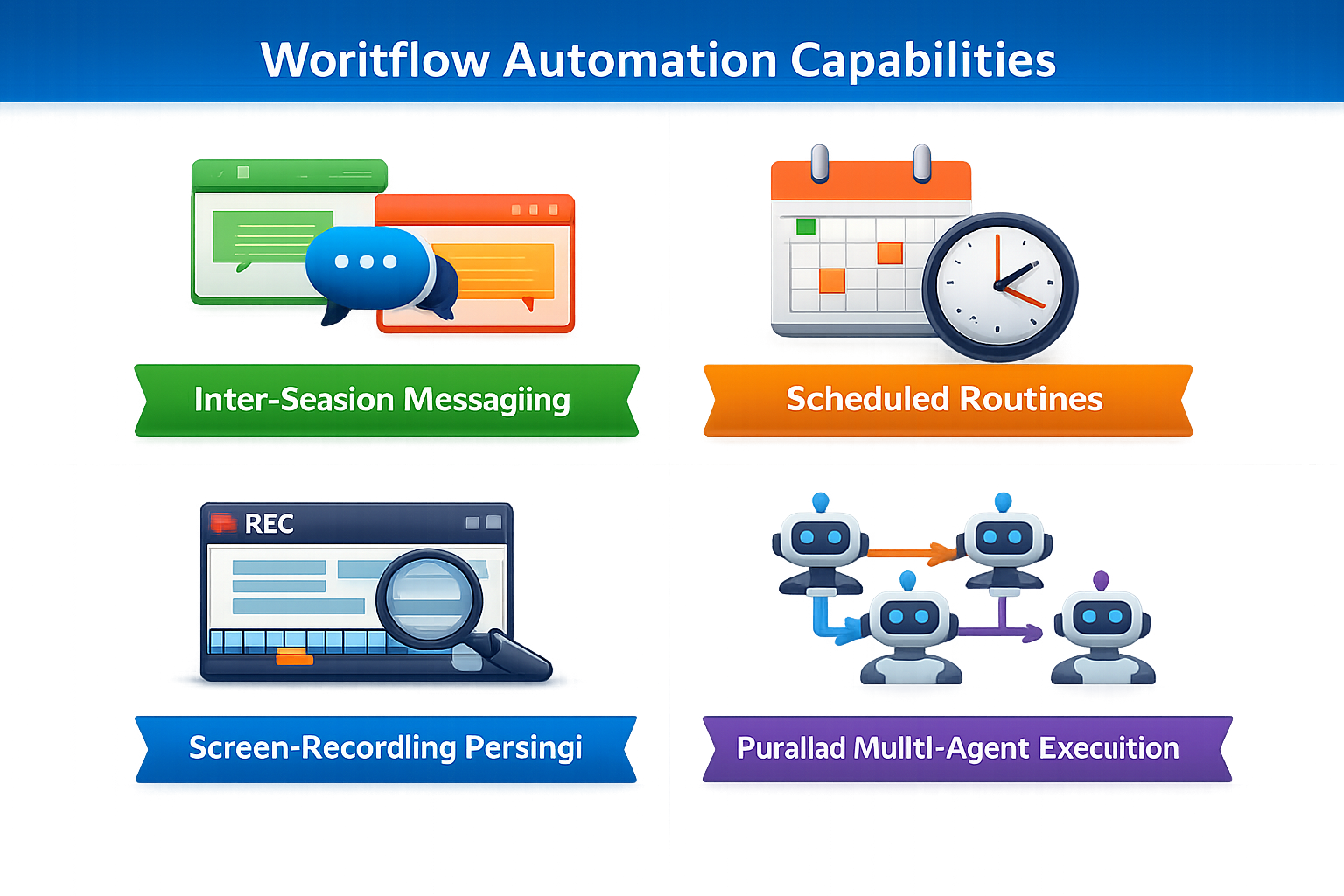
The scheduled routines feature allows developers to automate recurring tasks without manual triggering, while the screen-recording parsing capability enables users to demonstrate workflows visually and have Claude Code convert those demonstrations into executable skills. Parallel multi-agent execution complements the inter-session messaging by allowing multiple AI instances to work simultaneously on different aspects of a project.
Security and Source Code Concerns
The rollout of new collaboration features coincides with reports of a potential security incident involving Claude Code’s source code. Claude Code’s source code was reportedly exposed via an npm source map, with the full codebase reportedly visible. However, this claim originates from community forums rather than verified reporting, and its accuracy remains unconfirmed by mainstream sources or Anthropic itself.
If confirmed, such a leak could have implications for both intellectual property and security, as competitors and security researchers would gain insight into Claude Code’s implementation details and potential vulnerabilities. The timing alongside the introduction of inter-agent messaging adds another layer of complexity to security considerations around the platform.
Key Facts
- Launch date: Inter-session messaging announced August 8, 2026
- Auto Mode default: Takes effect August 14, 2026 for Pro, Max, and Team users
- Safety performance: Automated classifier catches 89% of dangerous commands versus 14% for manual approval
- Messaging scope: Plain-text summaries only, no file or conversation history sharing
- Version: Inter-agent messaging introduced in Claude Code v2.1.224
- Platform: Multi-session collaboration available on macOS
Implications for Development Workflows
The combination of inter-session messaging and Auto Mode default settings positions Claude Code as a more autonomous development tool. Developers working on complex projects that span multiple contexts, such as frontend and backend development simultaneously, could benefit from AI sessions that coordinate findings without manual intervention to relay information between contexts.
However, the increased autonomy also raises questions about control and oversight. While Anthropic’s research suggests automated safety checking outperforms human review, some development teams may prefer manual control over potentially destructive operations, particularly in production environments or when working with sensitive codebases.
The screen-recorded demonstration parsing feature also represents a shift toward more accessible AI customization, allowing developers without extensive prompt engineering experience to teach Claude Code new workflows through simple demonstrations rather than complex textual instructions.