Anthropic Debuts Claude Opus 5, Adds Browser to Claude Code

Anthropic has released Claude Opus 5, a new AI model designed to serve as an everyday assistant with significantly enhanced coding capabilities, improved autonomous task completion, and better error recovery. The model was made available on July 24, 2026, to paid plan subscribers and through the Claude API, and it now serves as the default Opus model across Anthropic’s platforms. The release coincides with major updates to Claude Code and Claude Design that expand the AI’s practical applications for developers and designers.
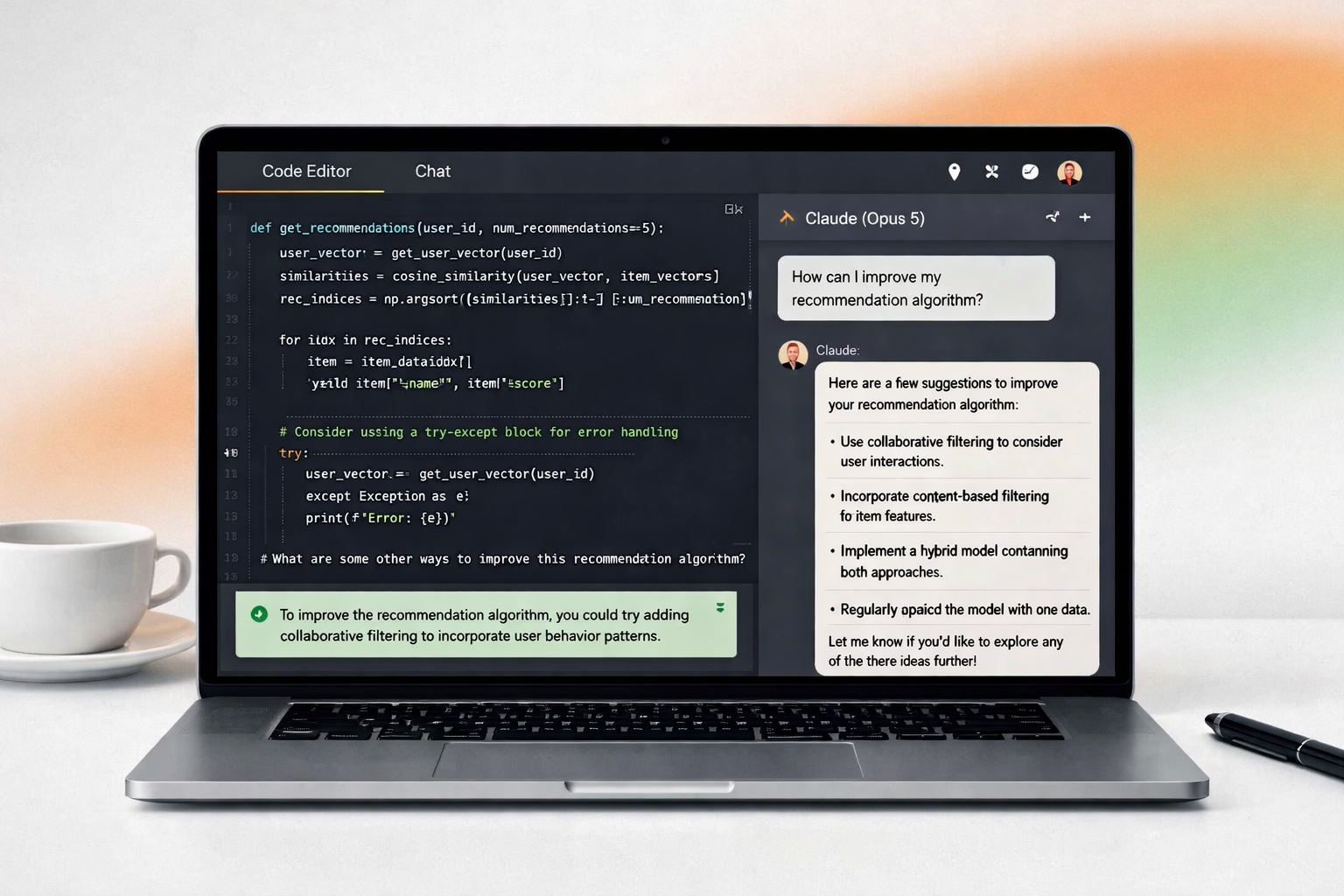
The launch represents a substantial step forward in AI assistant technology, with Anthropic positioning Opus 5 as a more reliable and capable tool for handling complex, multi-step tasks without constant human supervision.
Enhanced Performance and Capabilities
Claude Opus 5 delivers stronger coding performance, more autonomous task completion, and improved self-checking and error recovery, according to Anthropic’s announcement. These improvements address common pain points in AI-assisted work, where models often require multiple rounds of correction or struggle with complex debugging tasks.

Anthropic also added a research-preview fast mode for the model, giving users early access to experimental features that prioritize speed. This dual approach allows users to choose between maximum capability and faster response times depending on their specific needs.
Claude Opus 5 is now available on paid plans and via the Claude API, and becomes the default Opus model, streamlining the user experience by automatically providing access to the latest capabilities without requiring manual model selection.
Claude Code Integration and Browser Functionality
The Opus 5 release comes alongside significant updates to Claude Code, Anthropic’s development-focused tool. Opus 5 is available in Claude Code, enabling developers to leverage the improved model directly within their coding workflows.
A particularly notable addition is the integration of browser capabilities into Claude Code. Anthropic integrated a built-in browser into Claude Code, enabling the system to read, click, and type on websites with safety restrictions. This functionality opens new possibilities for automated testing, web scraping within ethical boundaries, and interactive development tasks that require browser interaction.
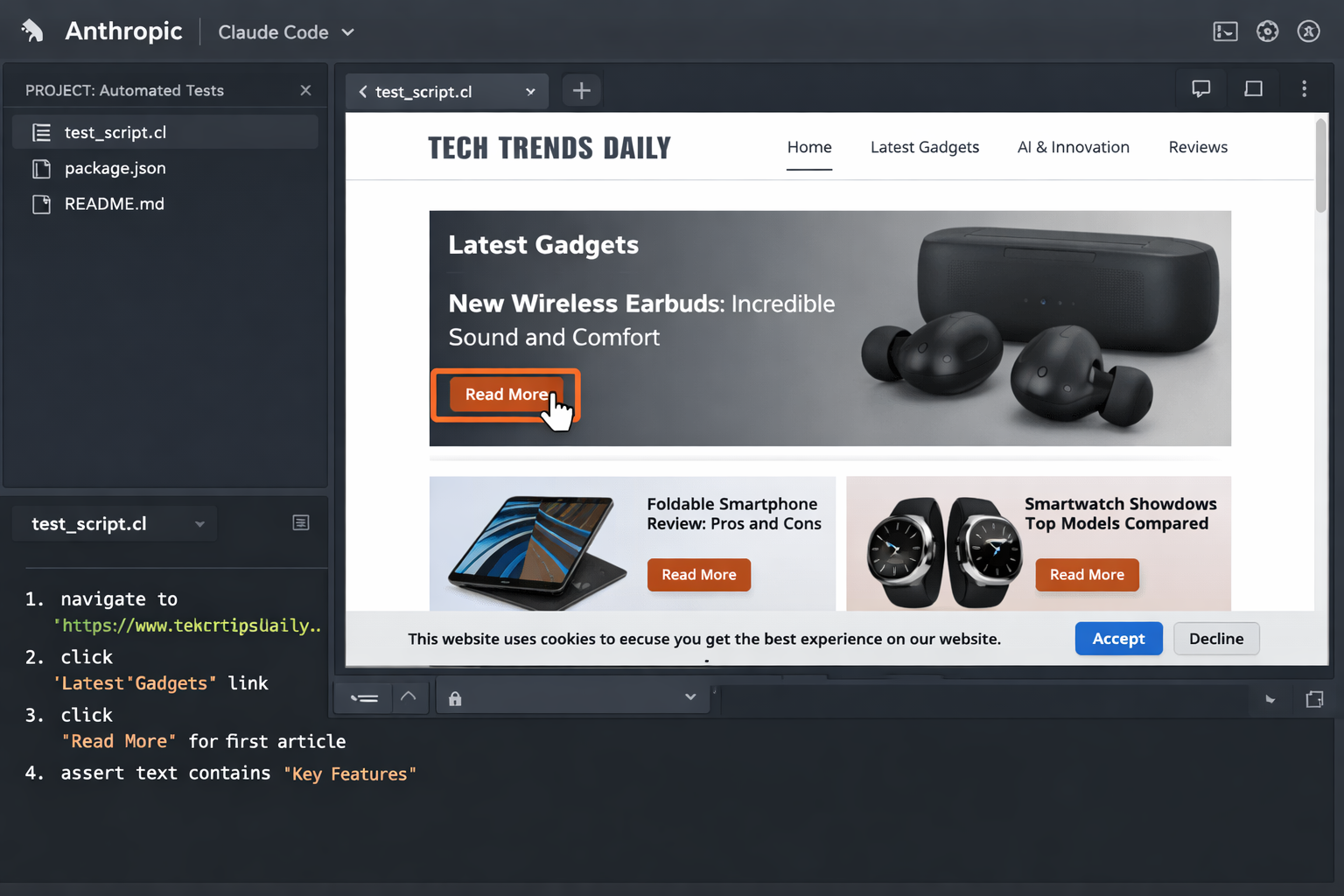
Claude Code v2.1.219 was released on July 24, 2026, marking the version that includes Opus 5 support and the new browser features.
Claude Design Receives Major Update
Parallel to the Opus 5 launch, Anthropic announced a major update to Claude Design that fundamentally changes how the design and coding tools work together. The update adds two-way integration with Claude Code, allowing UI generated in Claude Code to be significantly improved in the design tool.
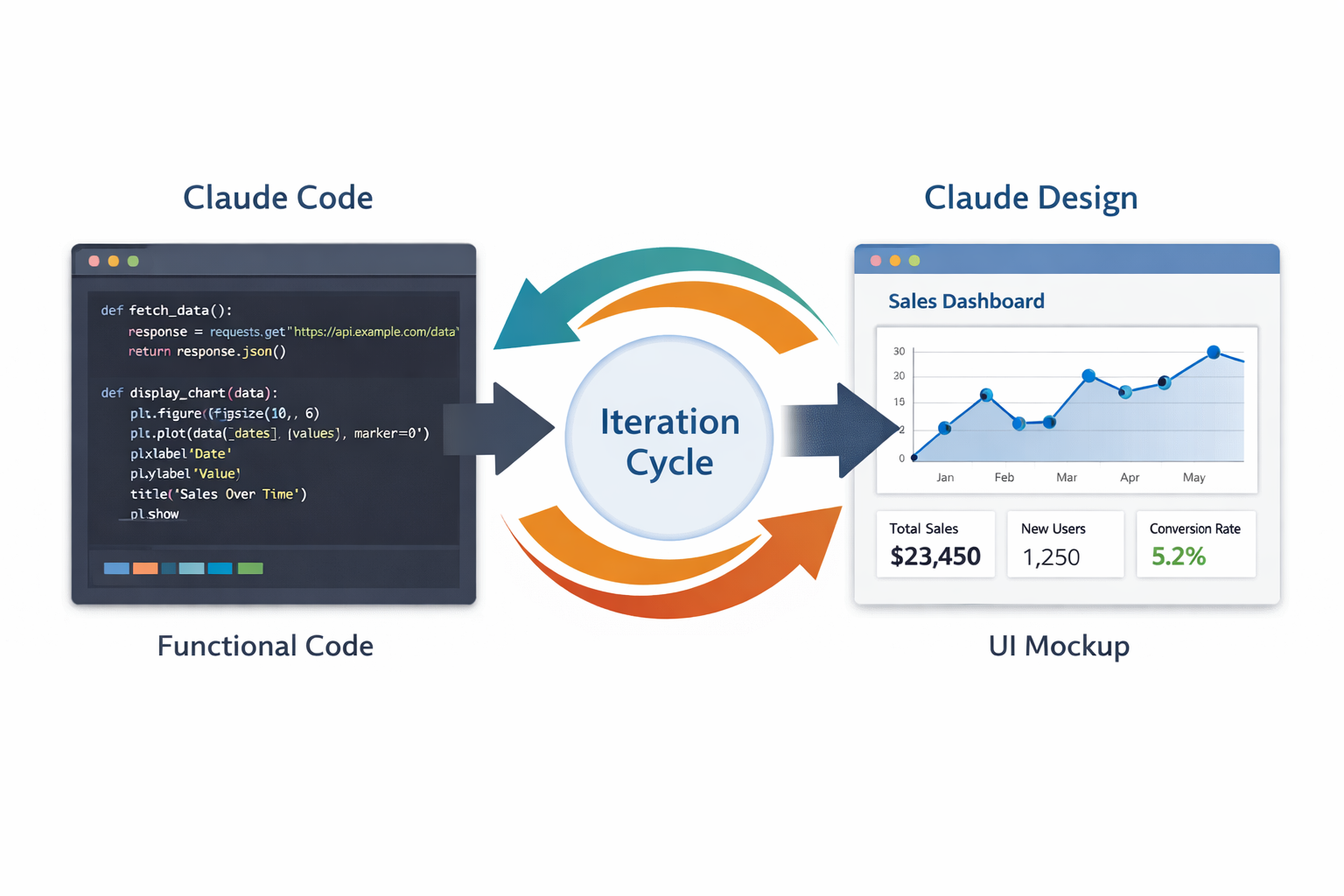
This bidirectional workflow means developers can generate functional code in Claude Code, then refine the visual design in Claude Design, and iterate between the two tools seamlessly. The integration addresses a common challenge in AI-assisted development, where code generation and design refinement have traditionally required separate, disconnected tools.
The update also reduces token usage per run and unifies usage limits across chat, Claude Cowork, and Claude Code, making the platform more cost-effective and providing a more consistent user experience across Anthropic’s suite of tools.
Practical Applications for Designers and Developers
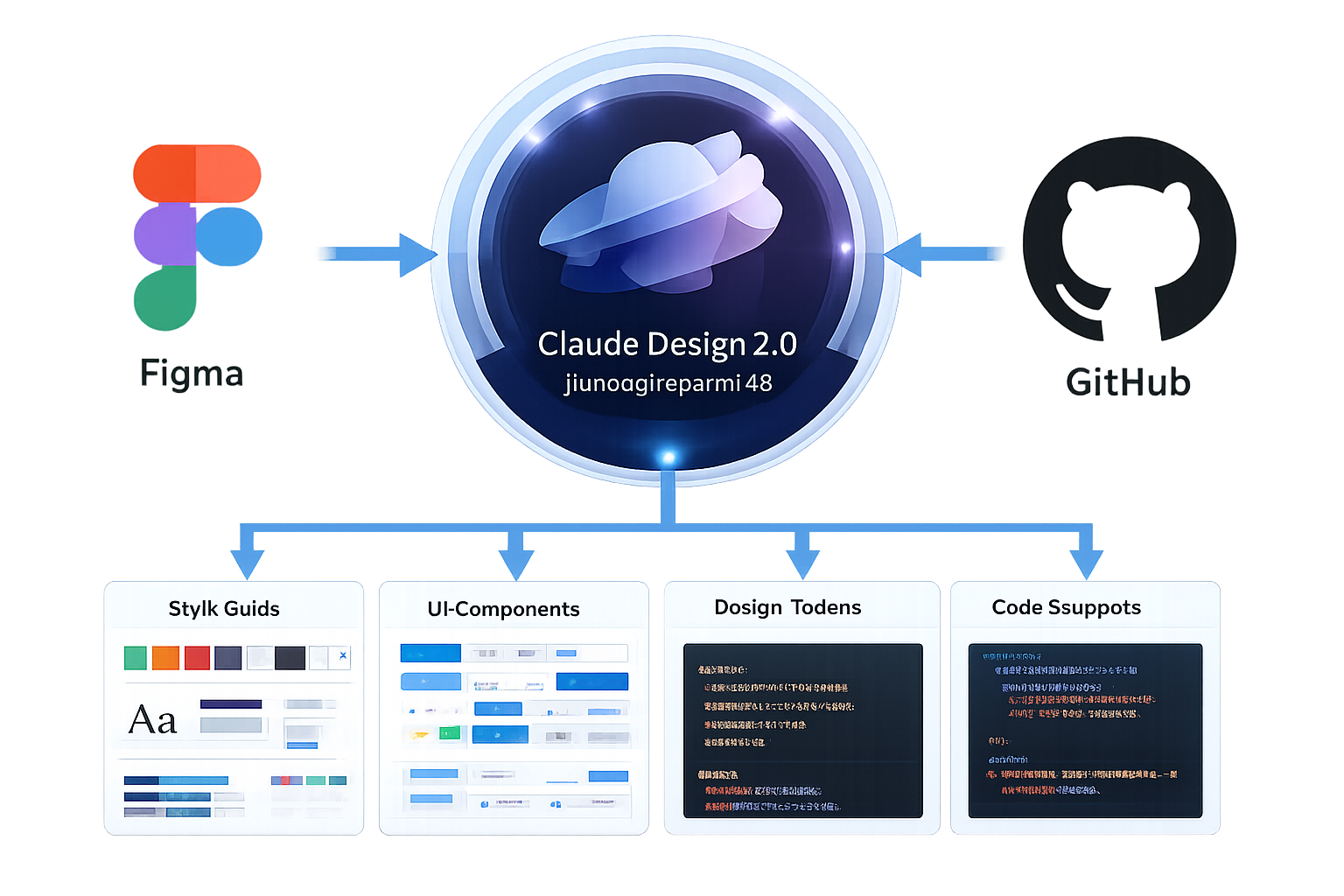
The updates enable new workflows for UI/UX design and development. Users can now connect design tools like Figma or GitHub repositories to Claude Design 2.0 and generate comprehensive design systems from existing assets. The ability to move between code and design environments without losing context or starting from scratch represents a meaningful improvement over previous AI design workflows.
The browser integration in Claude Code particularly expands testing capabilities, allowing developers to automate interaction with web applications while maintaining safety guardrails. This could streamline quality assurance processes and reduce the manual effort required for repetitive testing tasks.
Key Facts
- Claude Opus 5 was released on July 24, 2026, with improved coding performance, autonomous task completion, and error recovery
- The model is now the default Opus version for paid subscribers and Claude API users
- Claude Code v2.1.219 includes a built-in browser that can read, click, and type on websites with safety restrictions
- Claude Design received a major update with two-way integration with Claude Code for seamless UI refinement
- A research-preview fast mode is available for users who prioritize speed over maximum capability
- Token usage per run has been reduced, and usage limits are now unified across chat, Claude Cowork, and Claude Code
Industry Context
The release comes amid intensifying competition in the AI assistant market, with multiple companies racing to develop more capable and autonomous AI systems. The focus on coding capabilities and tool integration reflects growing demand from professional users who want AI assistants that can handle substantive work rather than just answering questions or generating basic text.
The browser integration feature also aligns with broader industry trends toward agentic AI systems that can interact with software interfaces and complete multi-step tasks with minimal human intervention. However, Anthropic’s emphasis on safety restrictions suggests the company is attempting to balance capability with responsible deployment.