YouTube Tutorial: Claude Code & Design for Pro Sites
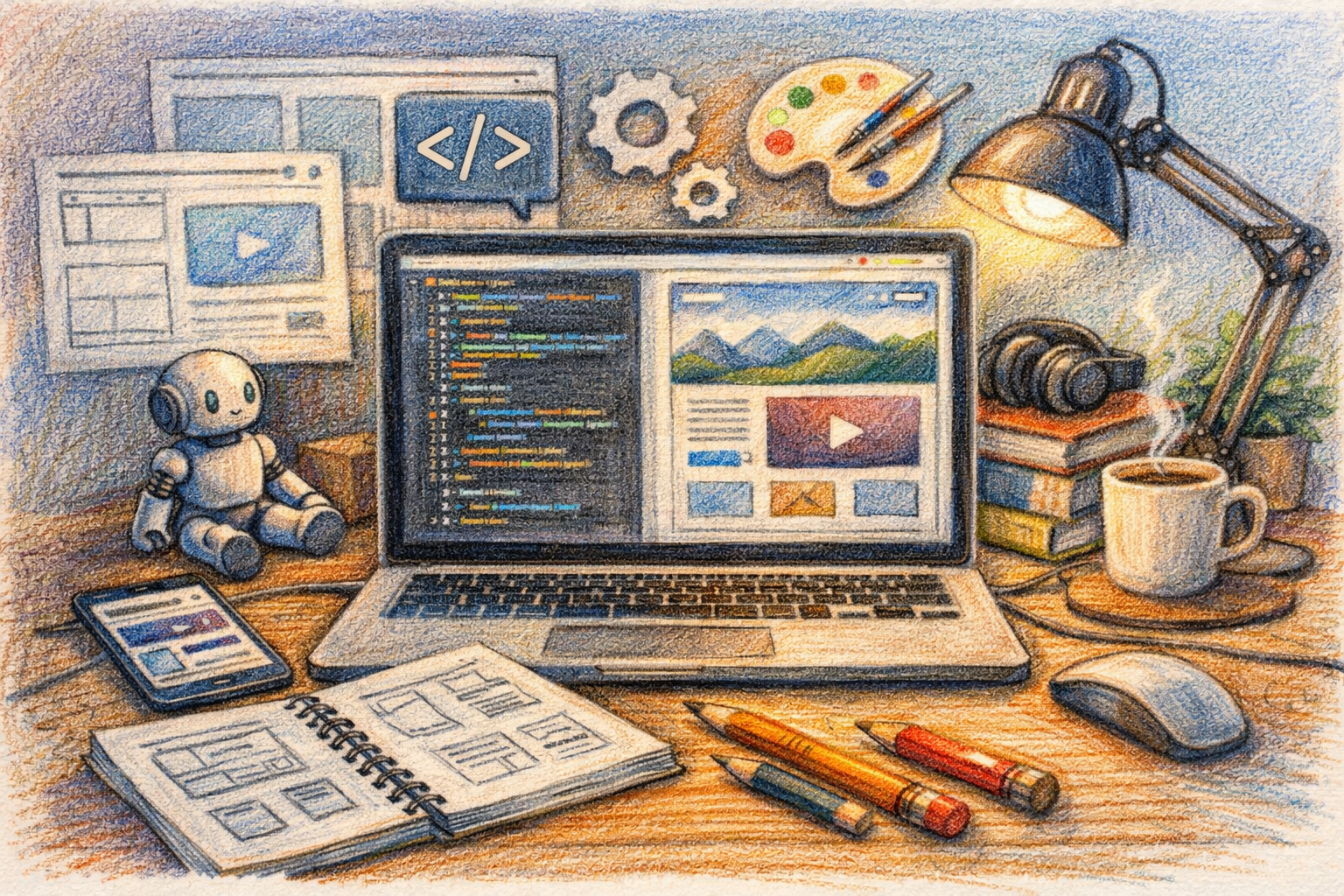
A comprehensive video tutorial released on YouTube demonstrates advanced design techniques for building professional-grade websites using Claude’s AI-powered tools. The tutorial, titled “Insane Claude Design Skills You Need To Build Beautiful Websites,” provides a detailed system for leveraging Claude Code and Claude Design to create client-ready web applications with sophisticated visual design and interactive features.
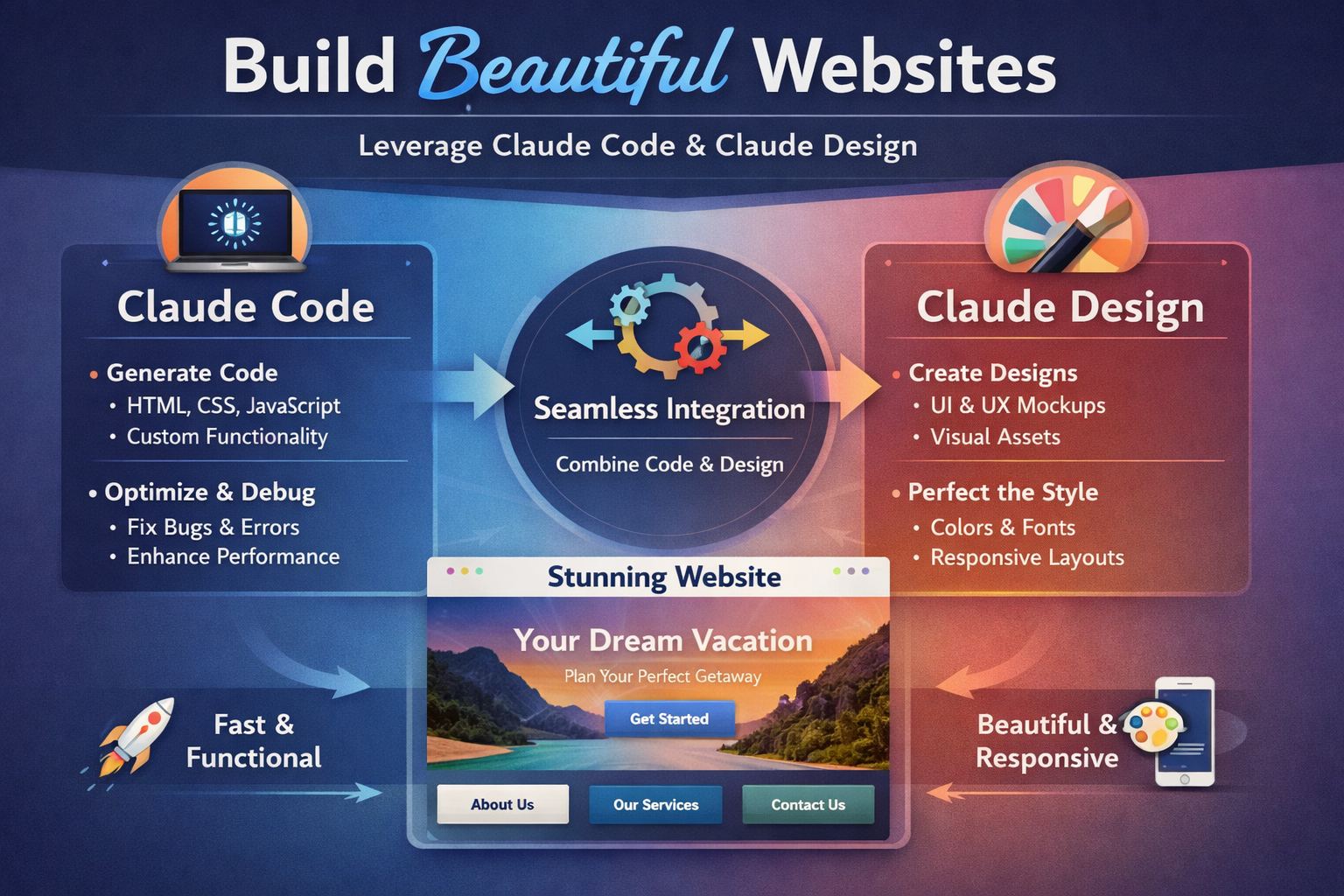
The tutorial is part of a growing ecosystem of resources emerging in 2026 that position Claude’s AI tools as viable alternatives for professional web development. According to recent documentation, Claude Code now applies built-in design skills when generating artifacts, automatically assigning deliberate color palettes, typography, and layout to live, interactive web pages that can be published to private URLs.
Advanced Design Techniques and Workflow Systems
The video tutorial covers several advanced capabilities that extend beyond basic web development. The training details a five-step system for generating color palettes and font pairings specifically tuned to different industries, enabling developers to create brand-appropriate designs through AI prompts. Additionally, the tutorial demonstrates techniques for implementing GSAP animations and applying mobile design principles within the Claude environment.
The workflow emphasizes using shadcn components, Model Context Protocol (MCP), and dedicated dashboard skills to create user interfaces that match the quality of real analytics tools. This approach allows developers to build sophisticated dashboards and web applications that meet professional standards without traditional design software.
Integration with Professional Development Workflows
Multiple sources indicate that Claude Code functions as an agentic CLI tool capable of writing, debugging, and shipping full web code including HTML, CSS, JavaScript, and React frameworks. A comprehensive guide published by CMARIX notes that while AI coding excels for prototypes and MVPs, professional agencies remain critical for production sites requiring advanced SEO, scalability, and security.
The development community has begun creating standardized approaches to ensure consistent output from Claude’s tools. A developer managing five AI agents built a library of DESIGN.md files to standardize how Claude Code structures projects, ensuring consistent design and code output across multiple agents. This practice has gained traction in developer communities as a method for maintaining quality control when working with AI coding tools.
Design System and Component Architecture
A critical element of the workflow involves establishing a complete design system before beginning code generation. Tutorial content from Metics Media emphasizes that the design system must be finalized in Claude Design before moving to Claude Code, ensuring the agent implements correct design tokens and layout without deviation. This approach supports the creation of websites valued at $10,000 or more by maintaining professional standards throughout the development process.
Developers can now request specific design outputs by describing visual elements in plain language. The system responds by generating artifacts with deliberate aesthetic choices rather than generic templates. This capability extends to typography, color contrast, layout spacing, and visual hierarchy, with some practitioners sharing lists of 20 or more specific design commands that provide precise control over interface elements.
Animation and Interactive Features
Beyond static design, the tutorials demonstrate methods for adding sophisticated animations to web projects. One workflow shows how to integrate Claude Design for creating visual assets with Claude Code for exporting and running code locally on platforms like Vercel. The process includes animating MP4 videos by breaking them into frames and using AI to control text effects, creating dynamic visual experiences suitable for client deliverables.
The “vibe coding” approach referenced across multiple sources in 2026 represents a shift toward giving AI clear structural guidelines and intentional design constraints rather than explicit pixel-perfect specifications. This methodology starts with providing the AI a foundation through configuration files, enabling the creation of clean interfaces with consistent design language.
Educational Resources and Community Development
The growing adoption of Claude’s design tools has prompted the development of formal educational programs. Coursera now offers a Claude AI Tools for Beginners Specialization designed to help users master Claude’s reasoning capabilities for analyzing complex data and deploying local agentic workflows. The curriculum covers automating file management and administrative tasks, providing foundational knowledge for web design and development applications.
Community discussions continue to explore specialized use cases for the tools. Recent conversations include the development of real-time web dashboards built specifically to monitor Claude Code agent teams, though these implementations remain in development stages as of June 2026.
Key Facts
- Claude Code now automatically applies design skills to artifacts, including color palettes, typography, and layout for live web pages
- Advanced tutorials demonstrate a five-step system for generating industry-specific color palettes and font pairings
- Professional developers emphasize finalizing design systems in Claude Design before moving to Claude Code for implementation
- The workflow supports GSAP animations, mobile design principles, and integration with platforms like Vercel
- Developers are creating standardized DESIGN.md files to ensure consistent output across multiple AI agents