Turnkey Basecamps: The Unseen Backbone of Critical Industries
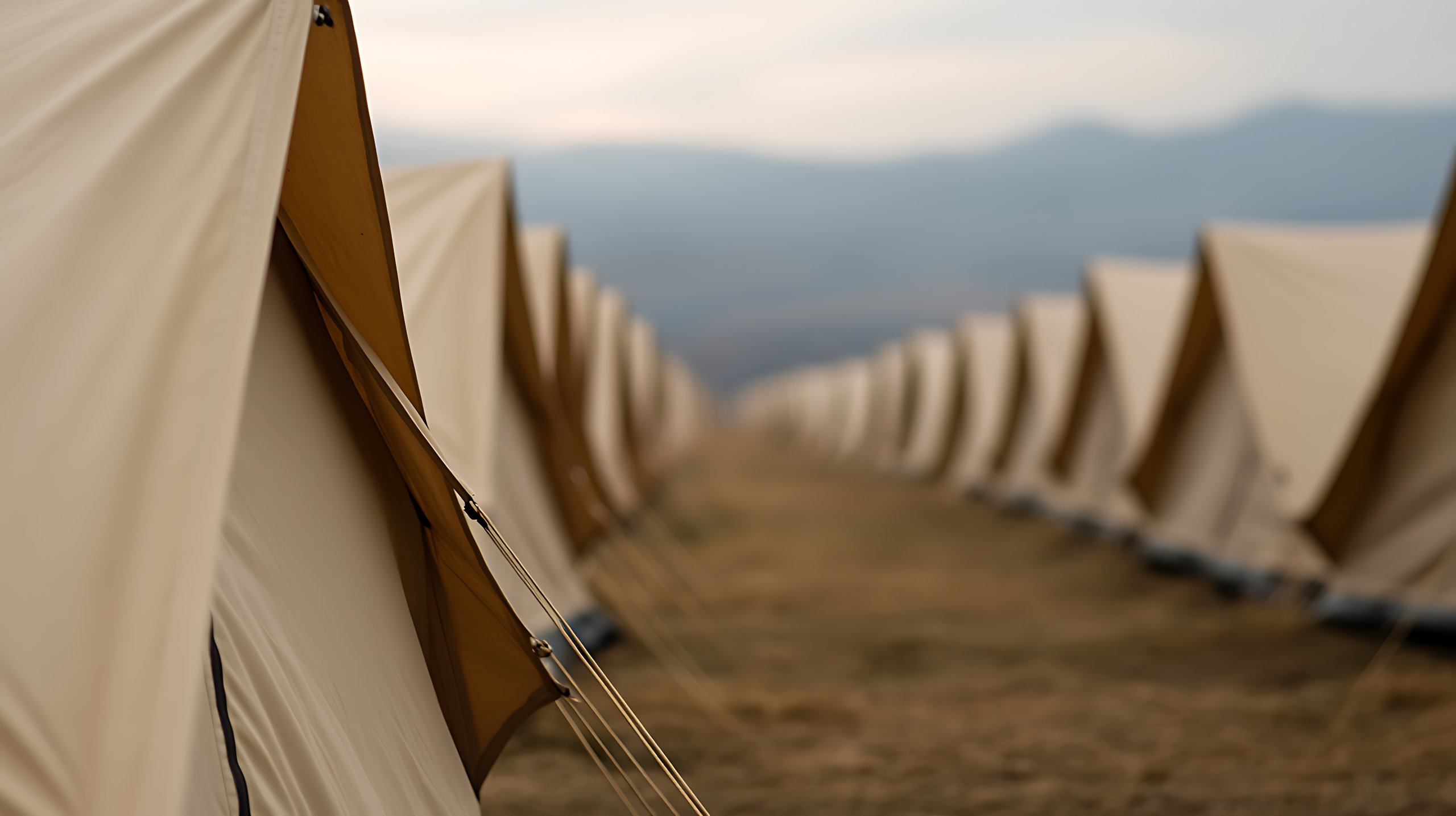
Turnkey base camps provide rapid efficiency, resilience, and operational readiness in austere or ravaged environments. By fully supporting essential industries and humanitarian missions where infrastructure fails, they enable mission-critical work anywhere through a seamless, all-in-one community.
The Anatomy of Immediate Response
Speed is life after a natural disaster. Emergency response teams cannot afford delays in establishing command and control. Modern turnkey base camp solutions are pre-configured for rapid deployment, providing the infrastructure necessary for disaster relief.
They integrate temporary structures with light towers, roadways, and sanitation services. This approach ensures first responders have secure quarters, medical facilities, and command centers to coordinate efforts. Shower and laundry facilities are essential for hygiene and morale. These amenities support prolonged operations in challenging conditions.
For first responders and military units such as those supporting Alaska defense initiatives, a rapidly deployable turnkey base camp provides a critical foundation for mission success. It integrates security, communications, and life support from the start.
Sustaining Remote Industrial Operations
Beyond emergencies, turnkey camps form the core of remote industrial projects. In sectors like power generation, mining, and construction, moving a workforce far from towns requires creating a self-sufficient community. In these cases, the emphasis shifts from deployment speed to durability, habitability, and productivity.
Full-service turnkey base camps evolve in scale and sophistication. Hard or rigid wall modular structures serve as remote offices and billeting. Environmental control is crucial, managed by advanced HVAC and climate control systems. Integrated flooring and soft wall partitions improve longevity and functionality.
Reliable utility partners are essential. They provide power, water, and waste management. The camp operates as a complex. It includes housing, dining, recreation, and critical support. This setup ensures a stable, productive workforce isolated from urban centers.
Evolution in Design and Technology
Technology in these camps has advanced beyond basic shelter. Temporary structure choices are strategic. Modular units offer security and insulation for long-term use. Clear span structures provide open spaces for warehouses, dining, or maintenance. Hard wall units serve as labs or communications hubs. Hybrid designs are also common.
Environmental control systems are highly efficient, with smart HVAC reducing energy loss. Integrated flooring creates stable surfaces over uneven ground.
Laundry and sanitation facilities are industrial grade, designed for continuous use. Engineered solutions elevate field camp management to facility management.

Logistics and Supply Chain Integration
The efficacy of any turnkey base camp hinges on a robust, foresighted logistics and supply chain framework. In remote or devastated areas, the camp is not an isolated entity but the central node in a complex logistical network.
Modern turnkey solutions include sophisticated supply chain planning from the start. This ensures seamless resupply of critical consumables, from fuel and water to food and medical supplies. Supplies often arrive by air, sea, or overland routes. These routes can themselves be compromised.
Advanced inventory management systems give real-time visibility into stock levels. This enables predictive restocking and eliminates shortages. The camp’s design often includes dedicated areas for staging, warehousing, and distribution. The base acts as a dynamic hub for outward humanitarian or industrial supply support.
Human-Centric Design and Morale Sustainability
Long-term success in austere environments relies on more than physical endurance. Human resilience is equally important. The next generation of turnkey base camps uses human-centric design. These camps go beyond basic habitability to foster well-being, cohesion, and sustained morale.
Intentional architectural psychology shapes camp design. Facilities optimize natural light, create distinct social and quiet zones, and provide spaces for recreation, fitness, and remote connectivity with families. Ergonomic sleeping quarters and workspaces reduce fatigue and injury.
Dining facilities focus on variety and quality. They act as central social hubs. These designs also address mental health needs. Sensory deprivation and monotony decrease through varied textures, colors, and communal areas. These features encourage positive social interaction.
For multi-year industrial projects, this approach reduces turnover and loss of productivity. It acknowledges that a supported, stable community is key to operational readiness. Focusing on the human element ensures personnel are genuinely supported in mind and body.
The Bottom Line
Turnkey base camps form the strategic foundation for critical operations anywhere in the world. They function even when local infrastructure is absent or destroyed. These camps enable personnel in vital industries to stay focused, safe, and effective. They are essential for mission success, whether for short-term crises or multi-year projects, in harshest conditions.