How to Achieve a Positive Ranking State in SEO
“Ranking states” refer to different phases a website goes through as it builds visibility on search engines like Google.
This concept of ranking states was brought into the mainstream by Koray Tuğberk.
Our SEO agency in Singapore doesn’t take a blanket approach to semantic SEO as popularized by Koray, but we do borrow some concepts and mental models when it comes to helping our clients.
Nonetheless, let’s continue.
Understanding Ranking States and Why They Matter
SEO ranking states describe the conditions or “health” of your website’s rankings. These states are influenced by search engines’ algorithms, which are constantly evaluating how relevant, authoritative, and up-to-date your content is.
- Natural Ranking State: A website remains stable, ranking neither higher nor lower over time. This can happen when a website has reached a “comfortable” position without active SEO efforts.
- Positive Ranking State: A website achieves and sustains higher visibility. This is the goal for SEO because it means your content is ranking well without needing constant updates or new backlinks.
- Stale or Stagnant Ranking State: A website’s ranking becomes static due to a lack of fresh content or updates, especially in highly competitive niches.
Knowing these states helps you strategize effectively and understand when and where to put your efforts for long-term SEO success.
Four Key Google Ranking Algorithms
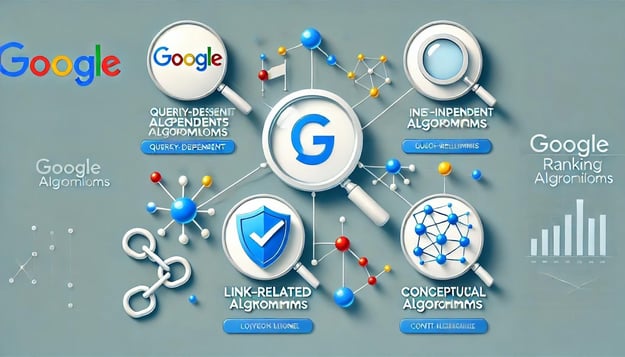
Now, let’s nerd out a little. Google relies on four main types of algorithms to determine how high a website ranks.
Each one evaluates your content differently, and aligning with them can help you reach a positive ranking state:
- Query-dependent Algorithms: These algorithms focus on how well your content answers specific search queries. They look at keywords, relevance, and user intent.
- Query-independent Algorithms: Here, Google evaluates overall website quality and authority without considering specific queries. Factors include content freshness, site authority, and user experience.
- Link-related Algorithms: Google also assesses the quality of your inbound and internal links. A strong internal linking strategy can distribute authority across your website, helping various pages rank better.
- Conceptual Algorithms: These algorithms analyze the overall structure of your content, looking for topic clusters and entities related to your main theme.
In theory, a website in a positive ranking state aligns well with all four types, which means it has a robust internal linking structure, answers specific queries, maintains high-quality content, and has an optimized topical map for related topics.
Setting Up for Success: Initial Rankings and Re-ranking Process
When you first publish a page, Google assigns it an initial ranking based on quality and relevance.
This initial position has a significant impact on future rankings, as Google tracks historical performance for re-ranking.
To optimize initial rankings:
- Semantic Content Networks: Create networks of content by interlinking pages on similar topics. For example, a law site might interlink pages about “Personal Injury in Singapore” with “Constitutional Rights in Singapore.” This signals relevance to Google.
- Internal Linking: Use links between new and existing pages to help distribute authority across your site.
A well-organized website with strategically published content improves the chance of a positive initial ranking, which sets up for long-term success in Google’s re-ranking process.
Technical SEO: Optimize for Speed, Crawlability, and Clean Code
Technical SEO is a powerful lever as essential optimizations to consider for a positive ranking state:
- Reduce Page Count: Decreasing unnecessary pages helps concentrate PageRank, Google’s internal measure of a page’s importance. This focus can boost high-value pages.
- Speed Up Page Load Times: Aim for response times below 150 milliseconds. Faster load times improve user experience and can contribute to better rankings.
- Optimize Internal Links: Ensure that internal links are relevant and point to high-value content. This makes your site more navigable for both users and Google’s crawlers.
- Use Semantic Internal Links: Organize internal links in a way that reinforces your site’s main themes. For example, link pages about similar topics in clusters, like “Church Management” and “Community Donations,” to build contextual relevance.
- Fix Crawl Errors: Check Google Search Console to make sure that you’re not wasting crawl budget on pages that don’t need indexing. Address any “crawled but not indexed” or “explored but not crawled” errors.
By optimizing these technical elements, you help Google’s crawlers find, understand, and prioritize your best content.
Semantic Content Networks and Topic Clusters
One of the most effective ways to maintain a positive ranking state is by building a semantic content network.
This means creating content clusters around related topics and linking them strategically. Each page within the network supports the other pages, strengthening your site’s authority and relevance on related topics.

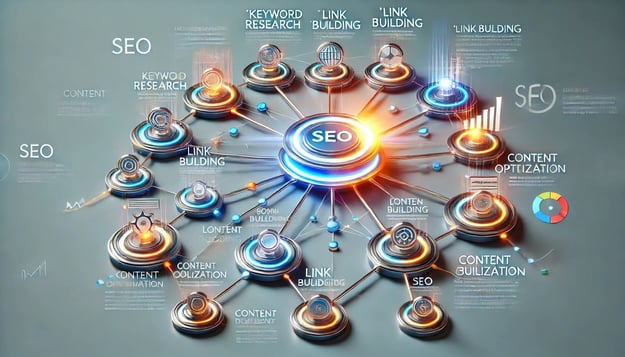
For example, if your website is about SEO, you might build clusters on topics like “Keyword Research,” “Link Building,” and “Content Optimization.” These clusters improve user experience and help Google recognize the connections between these topics.
Key elements of a semantic content network include:
- Quality Nodes: These are key pieces of content (like long-form guides or expert articles) that have high authority on your site. They should be linked prominently from your homepage.
- Rich Vocabulary: Use diverse and specific language to help Google understand that your content has depth. Include synonyms, industry-specific terms, and related keywords to enrich content naturally.
This structure makes your website more resilient to ranking drops and helps you stay in a positive ranking state by consistently demonstrating topical authority.
Building Historical Data for a Stable Ranking
Historical data refers to the long-term user interactions with your site, like clicks, time spent on pages, and navigation patterns. These metrics build Google’s trust in your website and are especially important if you’re not using a heavy backlink strategy.
Ways to build historical data:
- User Engagement: Focus on high-quality content that encourages clicks and longer visits.
- Internal Linking for Flow: Organize your internal links so users are encouraged to explore your content.
- Content Updates: Refresh content periodically to keep user engagement high, which can boost rankings over time.
Building positive historical data tells Google that your site is trustworthy and valuable, helping you maintain a positive ranking state even without frequent content updates.
Conclusion: Achieving and Maintaining a Positive Ranking State
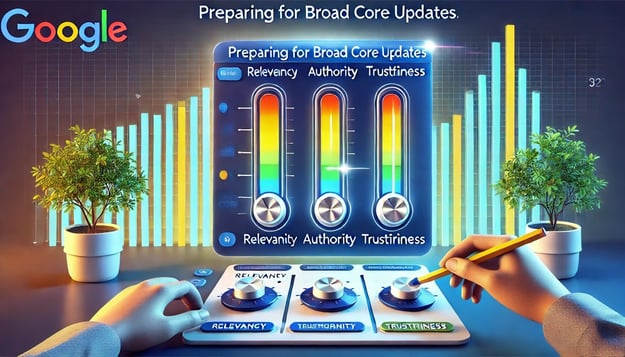
Broad core algorithm updates can impact rankings suddenly, but you can prepare by continually optimizing your site’s relevance, authority, and trustworthiness.
Here at ThreeLittlePigs.Pro, our take isn’t to worry too much about semantic SEO, but to just to borrow concepts such as:
- Semantic SEO clusters: Regularly update your content clusters to ensure semantic relevance
- Reduce Content Dilution: Remove outdated or redundant pages and replace them with higher-quality content that directly supports your main topics.
- Understand the broad concept of ranking states and align websites to rank better after a core update
Reaching a positive ranking state in SEO is a blend of technical and semantic strategies. It’s not just about constantly publishing new content or acquiring backlinks, but rather about building a strong internal network of valuable pages and optimizing technical elements.
This way, a website that aligns with Google’s latest algorithm changes will have an easier time sustaining a positive ranking state without needing constant new content.