Why It’s So Hard to Find Shipping Containers in Atlantic Canada Right Now
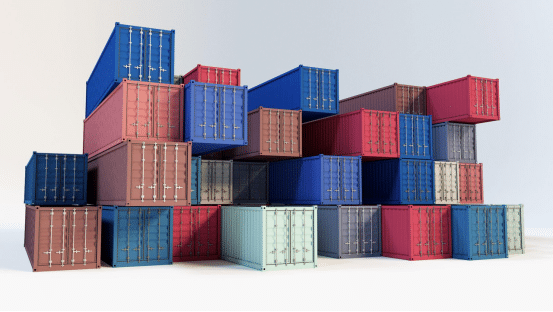
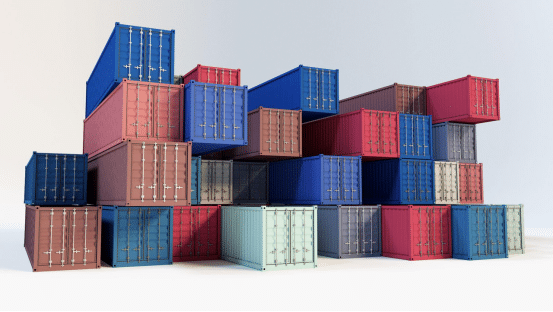
Explore what’s driving demand—and how contractors can secure units before their next project begins
For construction firms across Atlantic Canada, shipping containers havebecome an indispensable asset—serving as mobile offices, on-site storage, and even the base for modular buildings. Yet sourcing containers has become increasingly difficult, leaving many project managers scrambling.
What’s behind the scarcity? And more importantly, how can contractors stay ahead of the curve?
This article explores the top challenges facing construction buyers and what strategies can help keep your job sites supplied and on schedule.
High Demand Meets Regional Supply Constraints
The first challenge is the most obvious: demand has far outpaced local supply. The construction boom across Halifax, Moncton, and surrounding areas has led to a spike in requests for 20- and 40-foot containers. Yet, Atlantic Canada doesn’t have the same volume of inbound freight as major western ports, meaning containers are slower to circulate back into the market.
Many containers offloaded at regional ports are moved inland by rail or truck and don’t return for long periods. When fewer containers are available, costs rise and lead times extend, placing pressure on contractors working under tight deadlines.
A recent report from FreightWaves highlights that weather events and rail service disruptions continue to affect container flow at Canadian ports—Halifax included.
Customization is No Longer Optional
Standard steel containers often need modifications to serve the needs of construction sites—adding windows, doors, climate control, or shelving. But these adjustments can add weeks to your delivery time, especially if you’re working with a vendor that outsources customization.
For busy contractors, a delay in receiving a container that’s properly outfitted can delay the start or continuation of key project phases. To reduce risk, many firms are now working directly with providers that offer Shipping Containers with in-house modification services and clear lead time commitments.
This approach ensures that the product arriving on-site is project-ready and up to code, reducing the back-and-forth that can delay job site setup.
Logistics Can Make or Break Your Timeline
Even after you’ve sourced a container, the real challenge begins: getting it to your site. Atlantic Canada’s mix of urban cores and remote coastal communities makes logistics planning complex. Narrow roads, weather variability, and site access restrictions can cause last-minute hiccups during delivery.
Contractors who’ve experienced delays know that having a logistics plan in place—complete with site readiness checks and communication with the delivery team—can make all the difference. Choosing a vendor experienced with regional logistics, rather than simply a reseller, offers peace of mind and reduces the odds of rebooking crane or transport services.
One way to ensure success is to consult local providers familiar with delivery routes, permitting requirements, and common issues in the Atlantic provinces.
Compliance and Safety Can’t Be Overlooked
As containers are increasingly repurposed for mobile office use or tool storage, compliance becomes a major consideration. Municipal codes and safety regulations vary widely by region and intended use. A container used on a downtown Halifax job site may require different approvals compared to one in a rural area.
Additionally, not all used containers meet the structural integrity standards required for commercial repurposing. Contractors should ensure that containers are certified and inspected before use—especially if they’re being modified or used in high-traffic areas.
The Canadian Centre for Occupational Health and Safety (CCOHS) offers guidelines on temporary structures and the safe use of repurposed containers in workplace settings, helping ensure compliance and protecting workers on site.
Planning Ahead Is the Contractor’s Advantage
The biggest takeaway for contractors sourcing containers in Atlantic Canada? Start early. Whether you need one container or a fleet, factoring in sourcing, customization, delivery, and compliance into your project timeline can prevent costly surprises.
Work with suppliers that offer transparency on stock availability, provide clear modification timelines, and understand the logistics of operating in your region. Reputable sources like Shipping Containers have adapted to meet the needs of contractors and can provide more consistent supply, even amid industry-wide constraints.
Staying on Schedule Starts with Smarter Sourcing
Shipping containers are no longer a simple commodity—they’re a critical part of your job site infrastructure. As demand continues to grow across Atlantic Canada, taking a proactive, informed approach to container sourcing will help contractors keep projects on track, on budget, and compliant.
For additional insights and design-ready options, explore Shipping Container Homes tailored for innovative construction projects.
Additional Resources