The Small Store Changes That Make a Big Difference in What People Buy
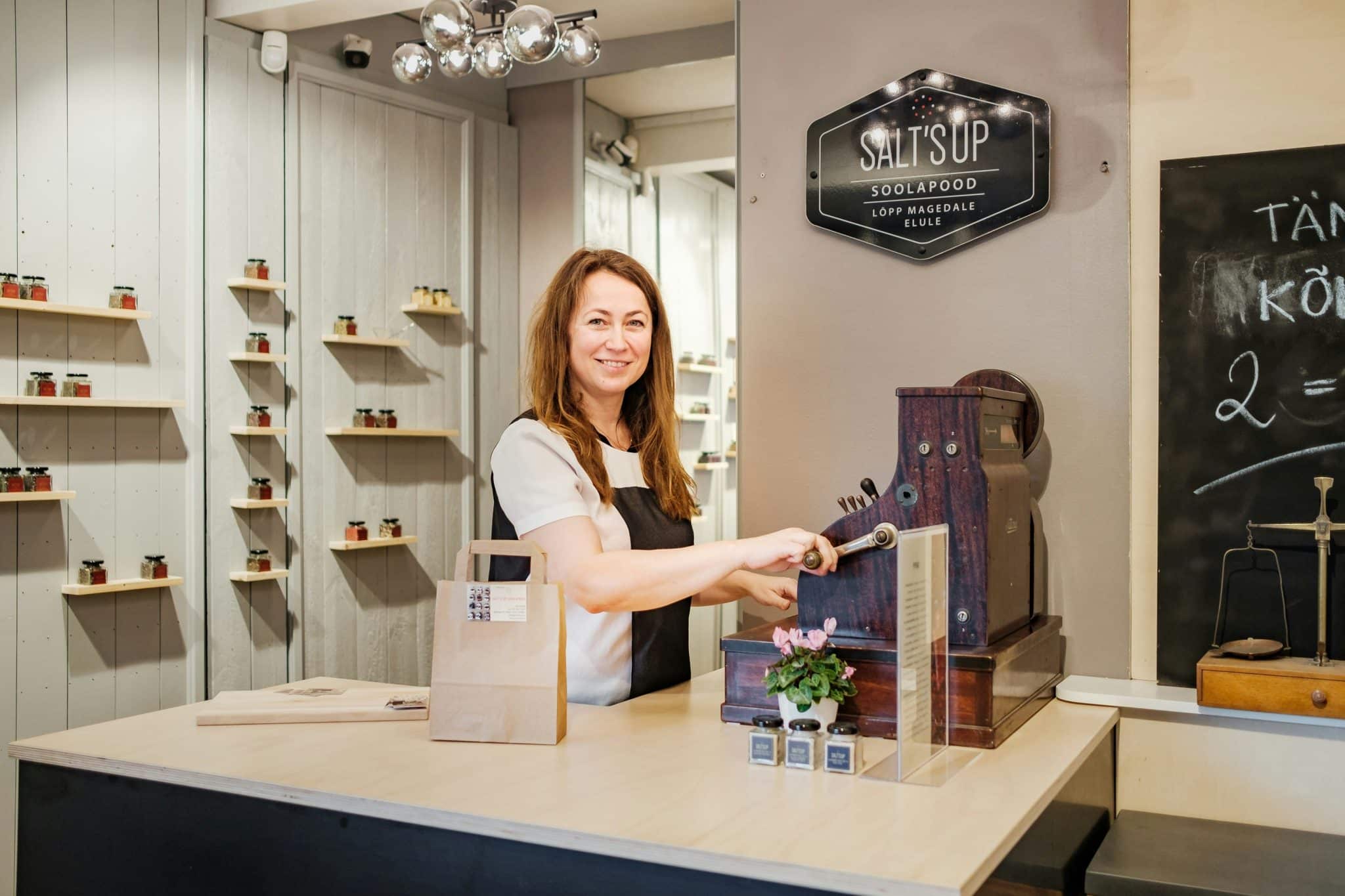

When people walk into a store, they don’t usually think about why they head in a certain direction first, or why certain items suddenly seem more appealing. Yet, every store has small design choices that guide what customers notice, how long they stay, and what they choose to buy. These aren’t accidents—they’re the result of thoughtful changes that quietly influence shopping behavior.
Why Small Changes Matter
A store doesn’t need a complete makeover to feel different. Sometimes, moving a counter a few steps, adjusting lighting, or swapping out display furniture can completely change how customers interact with products. Small adjustments are powerful because they’re easier to put in place, cost less, and can be tested without shutting the store down for weeks.
For example, placing high-demand products at eye level isn’t just convenient—it increases the chance of a sale. Similarly, a narrow aisle might make a space feel crowded and cause people to leave faster, while a wider path can encourage browsing. These changes might seem simple, but they shape how customers move and where their attention goes.
The Role of Display Furniture
Product displays are one of the most direct ways to influence buying decisions. The type of furniture used to present items can make a product feel more valuable, rare, or even safer to handle. A commercial glass display cabinet, for instance, not only protects products from damage but also frames them in a way that draws attention. Transparent displays let customers see items clearly from multiple angles, creating curiosity without cluttering the space.
The material and style of a display also matter. Sleek glass, polished wood, or modern metal frames each send different messages about the type of products being sold. A mismatched or outdated display can distract from the quality of what’s inside, while a clean, coordinated setup adds a sense of trust and professionalism.
Lighting That Guides the Eye
Lighting is more than just a way to see products—it’s a tool for directing focus. Soft lighting over general areas makes a store feel comfortable, while brighter spotlights on certain displays can draw customers in. Even the color of the light can influence mood; warm tones create a welcoming atmosphere, while cooler lights feel modern and crisp.
Shops that use lighting thoughtfully often see customers spending more time looking at featured items. For example, a bright light over a new collection signals its importance, while softer lighting in other areas allows that display to stand out even more.
Rearranging for Flow
The path a customer takes through a store plays a big role in how many items they notice. If the layout forces people to pass by certain displays, those products naturally get more attention. Rearranging shelves and counters to create an easy, intuitive flow can lead to more sales without increasing the number of products.
Some stores use the “right turn” rule, based on the idea that many people turn right when they enter a shop. By placing key products in that path, they can increase visibility instantly. Others position small, affordable items near the checkout area, where customers are more likely to make last-minute purchases.
Colors That Encourage Action
Colors affect mood and behavior more than many realize. A bright red sale sign can create urgency, while softer tones might encourage calm browsing. The colors on walls, displays, and even price tags work together to set the tone for the shopping experience.
Seasonal color changes can also make a store feel fresh without a big remodel. Swapping in warmer shades during autumn or cooler tones in summer can subtly match the customer’s mood for the season, making them more open to buying.
Keeping It Comfortable
Shoppers stay longer when they feel comfortable. That means paying attention to more than just the products—temperature, background music, and even the smell of a store all matter. A space that’s too warm or too cold can push people out quickly, while the right music can set a rhythm that encourages browsing.
Some stores even use scent marketing, adding subtle fragrances that match their brand. This can make a store memorable and create a positive feeling customers connect to the products.
Why Details Are Worth the Effort
It’s easy to assume customers are focused only on the products themselves, but the setting shapes their decisions more than they realize. A product might be high quality, but if it’s displayed poorly, in dim lighting, or in a cramped space, it won’t sell as well as it could.
Small, intentional updates—like refreshing displays, improving lighting, or reorganizing the layout—can make a noticeable difference in sales. These changes don’t just help individual items stand out; they make the entire store feel more inviting and professional.
Key Takeaways
The most effective store updates often come from looking at the space through the customer’s eyes. If a section feels too crowded, if lighting hides details, or if a display looks outdated, even a quick adjustment can help. A well-arranged store encourages people to stay longer, notice more, and ultimately buy more.
Store owners who pay attention to the details—without feeling the need for a full renovation—can create a shopping environment that works with them instead of against them. These changes may be small, but their impact can be big.