The Importance of Mentorship: Finding Your Guide and Accelerating Your Career Growth
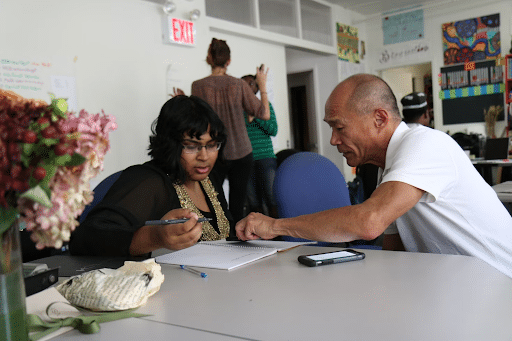
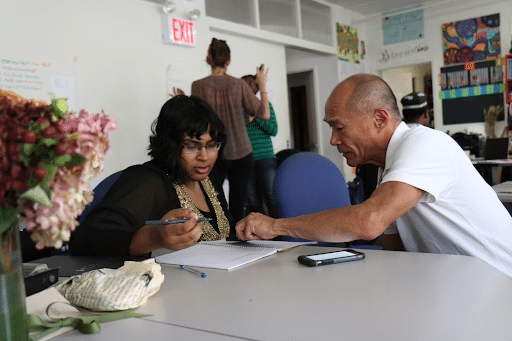
A recent study found that 77% of professionals believe mentorship is crucial for career success. New graduates, career changers, and even seasoned professionals can all benefit from guidance and support. This is where mentorship comes in.
A mentor acts as a trusted advisor, offering valuable insights, encouragement, and a unique perspective to help you achieve your career goals.
Why Mentorship Matters
Mentorship is a powerful tool for accelerating your professional growth. Here are some key benefits:
-
Gain valuable knowledge and expertise
Your mentor can share their industry knowledge, teach you new skills, and provide insights you may not have access to otherwise.
-
Boost your confidence and self-belief
Having a mentor who believes in you and your potential can be incredibly motivating. They can help you identify your strengths and overcome challenges.
-
Expand your network
Mentors can connect you with other professionals in your field, opening doors to new opportunities and collaborations.
-
Develop critical career skills
Through mentorship, you can gain practical advice on resume writing, interviewing, negotiation, and navigating workplace dynamics.
-
Get honest feedback
A mentor can provide constructive criticism and feedback to help you improve your performance and identify areas for development.
Tips for Building a Successful Mentorship
Once you’ve found a potential mentor, here are some tips to cultivate a thriving relationship:
-
Set clear expectations
Discuss your goals for the mentorship and the level of commitment from both parties.
-
Be proactive and take initiative
Come prepared to meetings with questions and topics for discussion.
-
Communicate openly and honestly
Share your progress, challenges, and aspirations with your mentor. Include a link to your work portfolio in your email signature to showcase your skills and expertise in every email.
-
Show appreciation and respect
Thank your mentor for their time and guidance.
Finding the Right Mentor
You admire and respect the ideal mentor with experience relevant to your career goals. Consider these factors when seeking a mentor:
-
Shared interests and values
Find someone whose professional background and values align with yours. For example, if you want to start offering digital marketing services to car dealerships, network with brands that are already doing it and are renowned, like Aut0mize.
-
Willingness to invest time and effort
Mentorship is a two-way street. Ensure your potential mentor has the time and dedication to support your development.
-
Effective communication style
Open and honest communication is crucial for a successful mentorship relationship.
Don’t Have a Formal Mentor?
Even without a formal mentor, you can still benefit from mentorship opportunities. Here are some alternative options:
- Join professional organizations: Many organizations offer mentorship programs or connect members with experienced individuals.
- Seek guidance from senior colleagues: Approach colleagues you admire and respect for advice and career guidance.
- Attend industry events: Network with professionals in your field and connect with potential mentors using your digital business card.
- Read industry publications and blogs: Industry leaders often share valuable insights and advice through articles and online platforms.
Mistakes To Avoid When Looking For A Mentor
By now, you already know that finding the right mentor can significantly impact your professional development and career growth. However, many individuals make common mistakes during this process. Avoiding these pitfalls can help establish a more fruitful and effective mentoring relationship.
-
Lacking Clear Goals
Approaching potential mentors without a clear understanding of your own goals and what you hope to achieve from the relationship can lead to unfocused and unproductive interactions. Define your career objectives and what you seek from a mentor before initiating contact.
-
Being Too Eager or Demanding
While enthusiasm is important, being overly eager or demanding can be off-putting. Respect the mentor’s time and schedule, and understand that mentorship is a voluntary, mutually beneficial relationship.
-
Not Researching the Mentor
Failing to research your potential mentor’s background, expertise, and interests can result in a poor match. Ensure that the mentor’s experience aligns with your career goals and that they have the knowledge and skills to guide you effectively.
-
Expecting Immediate Results
Building a mentor-mentee relationship takes time. Expecting immediate benefits or rapid progress can lead to disappointment. Be patient, and focus on developing a long-term, sustainable relationship.
-
Overlooking Compatibility
Compatibility is critical to a successful mentoring relationship. Even if a potential mentor has the right skills and experience, personal compatibility and mutual respect are essential for productive interactions and effective guidance.
-
Failing to Prepare for Meetings
Attending meetings unprepared can waste your time and your mentor’s. Always come prepared with specific questions, topics for discussion, and updates on your progress to make the most of your mentor’s guidance.
-
Neglecting to Show Appreciation
Mentorship is a two-way street. Failing to express gratitude and acknowledge your mentor’s efforts can strain the relationship. Regularly show appreciation for their time, advice, and support.
Avoiding these common mistakes can help you find a mentor who aligns with your goals and fosters a productive and supportive relationship.