The Business of Beauty: How Cosmetic Insecurity Shapes Consumer Trends
The beauty industry has long been a staple in consumer markets, constantly evolving to meet the demands shaped by societal perceptions and individual insecurities. From skincare to haircare, the business of beauty not only thrives on enhancing aesthetics but is also fueled by insecurities that often drive consumer behavior. This article explores how these dynamics influence trends in the beauty sector, shaping its future trajectory.
The Rising Demand for Hair and Beauty Professionals
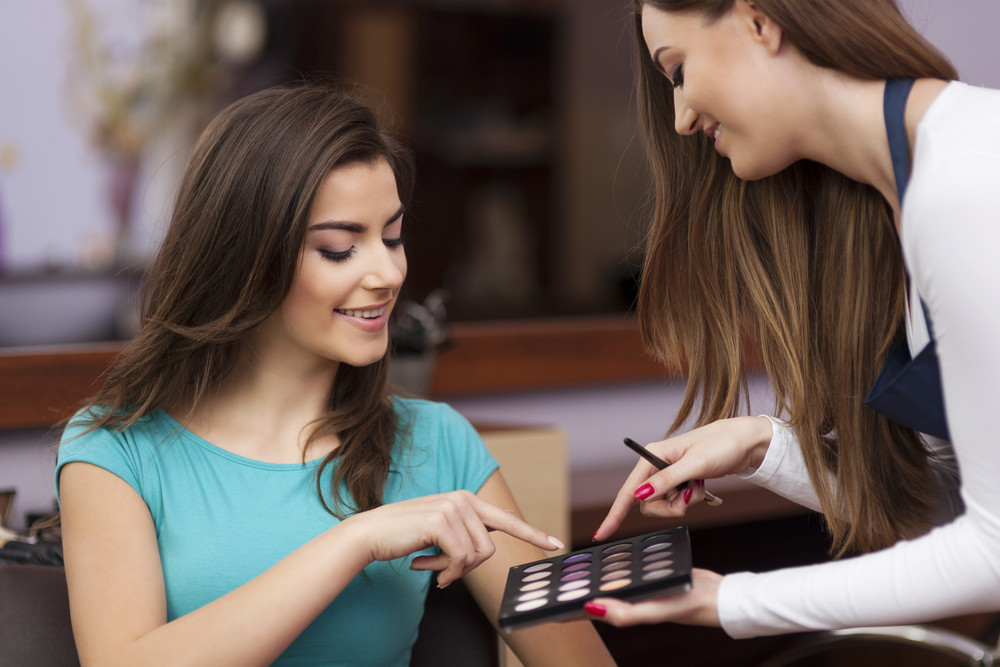
The beauty industry is booming, with significant growth projected over the next decade. According to recent projections, the demand for barbers, hairstylists, and cosmetologists is expected to climb by 7 percent from 2023 to 2033. This growth is notably faster than the average for all occupations, highlighting the burgeoning interest in beauty services. Such demand is largely driven by individuals seeking to transform their appearance, fueled by a desire to boost self-esteem and conform to beauty standards. This boom presents a lucrative opportunity for those entering the field, further invigorating the business aspect of beauty.
Increasing societal pressures and the influence of digital media have significantly altered perceptions of beauty. As individuals strive for idealized beauty, the role of professional beauty services becomes increasingly vital. The rise of “selfie culture” and personal branding on social platforms has amplified the emphasis on appearance. This cultural shift underpins the escalating need for trained professionals in the beauty sector, ensuring a steady flow of clientele seeking expert services. As the industry expands, it not only stimulates economic growth but also underscores the complexity of beauty-related self-perceptions.
Beyond mere vanity, the engagement with beauty professionals often provides emotional and psychological benefits. Regular visits to salons and barbershops offer a communal experience that transcends the superficial. For many, these appointments are not only about physical transformation but also about receiving affirmation and building confidence. The personal connection formed between clients and their beauty experts plays a crucial role in fostering client loyalty. As this trust deepens, the industry’s foundational reliance on consumer insecurity ensures its continued prosperity.
Innovation and Growth in the Global Hair Transplant Market
The global framework of cosmetic enhancements has widened, with emerging trends continuously altering industry landscapes. One such area is hair transplantation, poised for substantial growth. Forecasted to reach a valuation of $31.81 billion by 2027, the hair transplant market underscores the importance of addressing hair loss concerns among consumers. This facet of the beauty industry demonstrates the deep-seated insecurities related to hair, often amplified by cultural and fashion influences. Such figures highlight the increasing acceptance and normalization of once-taboo procedures, reflecting broader shifts in consumer behavior.
Technological advancements have made hair restoration options more accessible and effective, attracting individuals looking to counteract baldness or thinning hair. These innovations ensure minimally invasive procedures, reduced recovery time, and more natural results, broadening the appeal of hair restoration techniques. As more individuals openly share their positive experiences, the stigma previously associated with such treatments continues to diminish. The rising demand reflects not just a cosmetic preference but an intrinsic desire for self-improvement and confidence. The business of beauty thus hinges on providing solutions that foster personal satisfaction.
The consumer landscape has also evolved with social influences and the endorsement of cosmetic procedures by public figures. As celebrities and influencers share their experiences, they normalize interventions like hair transplants, encouraging broader acceptance. This endorsement acts as a powerful marketing tool, propelling the industry’s growth by cultivating aspiration among the masses. By capitalizing on these dynamics, businesses in the beauty sector can exploit new revenue streams. Thus, the intersection of technological innovation and cultural acceptance fuels the expansion of this lucrative market.
The Expanding Market for Cosmetic Products
The global market for cosmetic products is witnessing robust growth, marked by escalating consumer expenditure on beauty items. Valued at USD 532.43 billion in 2017, this market is projected to ascend to USD 805.61 billion by 2023. Such figures reflect an ever-increasing demand for a vast array of cosmetics, from skincare to makeup and beyond. This expansion illustrates how insecurities related to appearance drive consumer purchases, serving as fundamental components in a flourishing business model. The continuous launch of innovative products further propels market enlargement, meeting diverse consumer needs.
Lifestyle changes, coupled with heightened beauty awareness, have amplified the reach of cosmetic products. Today’s consumers are not only more informed but also more discerning, seeking personalized beauty solutions that cater to specific concerns. The proliferation of beauty trends through social media has further accelerated this market’s growth. As brands innovate to cater to diverse demographics and preferences, they cultivate a loyal customer base. This strategy of personalization and inclusivity serves as a bedrock for business success in the beauty industry.
The growing consciousness around sustainable and clean beauty practices is also reshaping market dynamics. Consumers are increasingly mindful of product ingredients and the ethical implications of their purchases. As a result, brands that prioritize transparency and sustainability are witnessing heightened consumer trust and interest. This shift not only influences product development but also aligns with broader environmental and ethical trends. By adapting to these evolving expectations, businesses within the cosmetic industry can secure a competitive edge, ensuring relevance in an ever-changing market landscape.
In conclusion, the beauty industry remains a significant driver of economic growth, fueled by the intricate relationship between consumer insecurities and evolving trends. As societal norms around appearance continue to evolve, so too will the demand for beauty solutions that prioritize both innovation and inclusivity. Recognizing and harnessing these consumer inclinations will allow businesses within the industry to thrive, ensuring that beauty remains a powerful and transformative element in people’s lives.