Is Investing in the Latest Tech Always the Right Choice?
Smart tech investments can drive growth, but timing matters. Business owners should weigh cost, efficiency, and long-term value before buying.
 3 min read
Technology moves fast, and business owners often feel pressure to keep up. New tools promise faster results, lower costs, and better customer experiences. Still, whether investing in the latest tech is the right choice for your business will depend on timing, goals, and operational needs.
Some companies benefit immediately from modern systems. Others may struggle with unnecessary costs or complicated transitions. Smart investments come from identifying business challenges first instead of chasing trends.
Technology Should Solve a Real Problem
New software or equipment should improve a process that already affects productivity, revenue, or customer satisfaction. Retail businesses may benefit from upgraded inventory systems during rapid growth. Restaurants often improve efficiency through automated ordering tools.
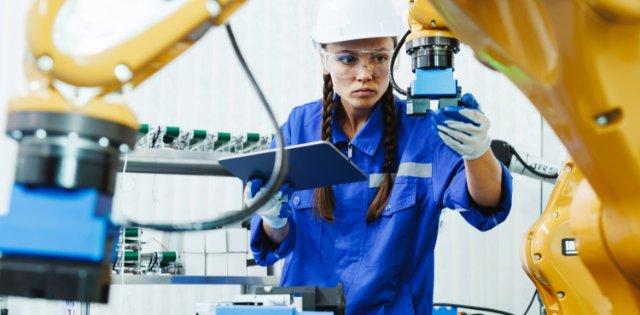
Manufacturers face different challenges. Aging equipment can slow production and create maintenance issues. In some cases, part of what manufacturers could expect from a CNC turning center upgrade is greater overall efficiency. This kind of upgrade would make the most sense for businesses that notice their equipment limiting their ability to accept orders or meet production deadlines.
Professional service firms also evaluate technology differently. Accounting agencies may prioritize cybersecurity upgrades, while marketing companies often focus on collaboration software for remote teams.
Growth Plans Matter More Than Trends
A business preparing for expansion may require stronger systems than one focused on stability. Construction companies taking larger contracts may need project management platforms that coordinate multiple crews and deadlines.
Healthcare offices expanding patient volume often invest in scheduling and record management tools. Logistics companies may adopt tracking systems that help them scale operations without major costs.
Current business stage matters just as much as budget. Smaller companies can sometimes gain more value from improving existing workflows before adopting advanced technology.
Employee Readiness Influences Results
Technology investments fail when employees lack training or confidence using new systems. A manufacturing company could purchase the most advanced machinery and still see productivity drop, especially during the transition period.
Clear onboarding plans reduce disruption. Leadership teams should also consider how long implementation will take before expecting measurable returns.
Simple systems often outperform complicated platforms that employees avoid using. Practicality matters more than novelty in most industries.
Making Smarter Technology Decisions
Every investment carries opportunity costs. Funds directed toward new technology cannot support hiring, marketing, or operational improvements elsewhere.
Business owners should evaluate expected outcomes carefully. Questions around maintenance costs, training requirements, and long-term scalability often reveal whether a purchase supports real growth.
Choosing Technology With Purpose
Successful companies rarely invest in technology simply because competitors do. They invest because the solution supports measurable goals and long-term sustainability. Evaluating operational pain points, employee readiness, and future growth plans can clarify whether investing in the latest tech is the right choice for your business.