Improving Metal Strength With Heat Treatment
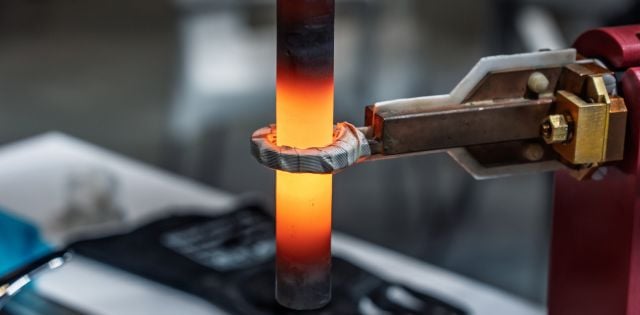
Many industries rely on heat treatment because the process changes a metal’s internal structure without changing its shape. Controlled heating and cooling cycles strengthen metal while improving hardness and wear resistance. As production demands continue rising, companies look for stronger materials that support tighter tolerances and longer service life.
Why Heat Treatment Improves Metal Performance
Heat treatment changes the grain structure inside metal, which directly affects strength and durability. Manufacturers use it to refine hardness levels, improve fatigue resistance, and support better machining performance. These adjustments help metals perform more consistently under heavy workloads.
Some metals respond especially well to heat treatment methods because their alloy composition supports structural refinement. For example, silicon bronze alloys continue gaining attention because the process can improve corrosion resistance and material consistency in demanding environments.
Common Heat Treatment Methods Used Today
Several heat treatment methods support different performance goals. Each process changes metal properties in specific ways, which helps companies match materials to operational needs.
A few common techniques include:
- Annealing, which improves ductility and reduces internal stress
- Quenching, which increases hardness and wear resistance
- Tempering, which balances strength with toughness and flexibility
- Normalizing, which refines grain structure and improves uniformity
Production teams select methods based on operating temperatures, mechanical demands, environmental exposure, and long-term performance expectations. Careful planning during treatment prevents distortion while maintaining material integrity.
Stronger Metals Support Safer Workplaces
Weak materials create costly setbacks across industrial environments. Unstable structures and equipment failures can create avoidable interruptions. Heat treatment reduces those risks because stronger metals handle friction and repeated stress effectively.
Operational reliability depends on more than durable materials alone. Facilities with high-temperature equipment and demanding production environments also need strong fire prevention practices to reduce hazards.
Reliable materials help teams maintain momentum throughout production cycles. Employees spend less time responding to breakdowns and more time focusing on long-term operational goals.
Improved Efficiency Through Material Durability
Stronger materials create measurable operational advantages. Equipment lasts longer and downtime becomes easier to manage. Those improvements help companies maintain consistent production schedules while avoiding avoidable disruptions.
Heat treatment also supports better performance in high-friction environments. Hardened components resist wear more effectively, which helps machinery maintain precision over extended periods. As systems remain stable longer, production quality stays more consistent across large manufacturing runs.
Companies across industrial sectors continue searching for materials that handle pressure without sacrificing reliability. Heat treatments are a practical solution because they improve metal strength while supporting longer service life, better consistency, and safer operations. Those benefits help businesses maintain productivity in environments where performance standards continue rising.