Innovations in Building Management Technology
Innovations in building management technology have revolutionized how we maintain and optimize buildings. Advanced sensors, real-time data analytics, and sustainable practices are at the forefront of this transformation. These technologies ensure healthy living environments and promote efficiency and comfort for all occupants.
Ensuring Healthy Air Standards
Maintaining healthy air quality within buildings is crucial for occupant health and well-being. The importance of air quality sensors cannot be overstated, as advanced sensors play a key role in monitoring and managing indoor air quality. These sensors detect pollutants such as carbon dioxide, volatile organic compounds (VOCs), and particulate matter, providing real-time data that helps maintain optimal air conditions. For example, buildings equipped with these sensors can automatically adjust ventilation systems to ensure clean air circulation, significantly reducing the risk of respiratory issues and enhancing overall comfort.
Smart HVAC systems, integrated with these sensors, can adjust their operation based on the detected air quality levels. This helps maintain a healthy environment and optimizes energy use by running only when necessary. Schools and office buildings have particularly benefited from these advancements, as they can now ensure that air quality standards are consistently met, reducing absenteeism and improving productivity. These technologies are vital in managing air quality during wildfires or pollution spikes.
Buildings with advanced air filtration and sensor systems can respond quickly to external air quality changes, ensuring the indoor environment remains safe and comfortable. This proactive approach to air quality management highlights the importance of integrating advanced technologies into building management systems. Furthermore, continuous monitoring and adjustments based on real-time data ensure that buildings can maintain high air quality standards, promoting better health outcomes for all occupants.
As awareness of indoor air quality’s impact on health grows, these technologies become increasingly indispensable. Continuous investment in air quality monitoring and management systems ensures long-term benefits for building owners and occupants. Improved air quality leads to better cognitive function, increased productivity, and enhanced quality of life, making these innovations critical for modern buildings.
Real-Time Data Analytics
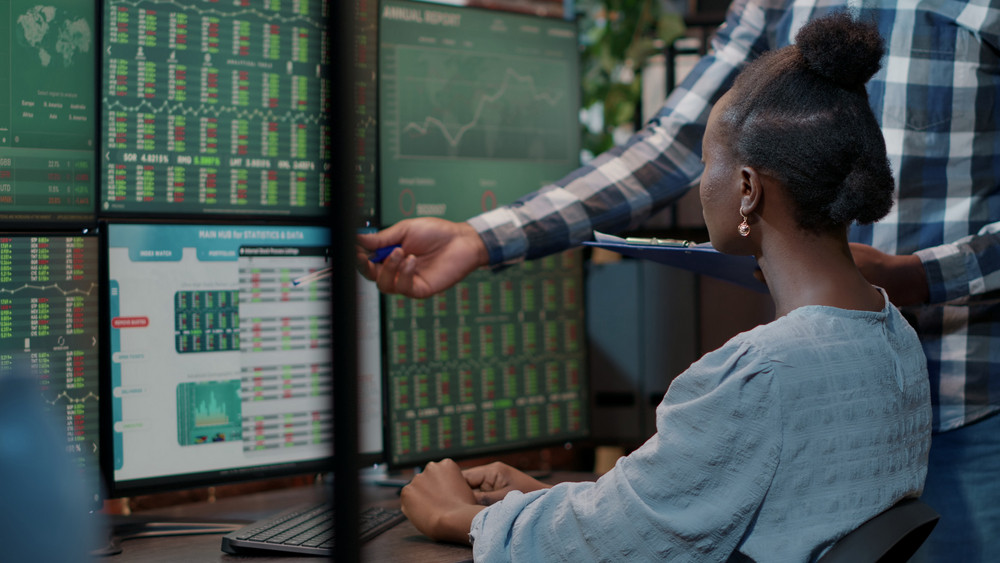
Real-time data analytics transforms building management by providing actionable insights into various operations. Building management systems with real-time analytics can monitor energy consumption, water usage, and other critical metrics. For example, sensors and smart meters collect data on energy use, which is then analyzed to identify patterns and inefficiencies. This allows building managers to make informed decisions to reduce waste and lower costs.
These systems can predict maintenance needs by analyzing equipment performance data, preventing costly breakdowns, and ensuring seamless operations. For instance, if a heating system shows signs of inefficiency, the system can alert maintenance teams before it fails, ensuring minimal disruption. This predictive maintenance approach saves money and extends the lifespan of building systems. Real-time data analytics enhance security by monitoring access points and detecting unusual activities.
Integrating these systems with surveillance cameras and access control can provide a comprehensive security solution that adapts to real-time threats. This level of monitoring and responsiveness is essential in maintaining safe and secure environments in commercial and residential buildings. The benefits of real-time data analytics extend beyond operational efficiency to include significant cost savings, improved safety, and enhanced user experience, making them indispensable in modern building management.
Real-time data analytics can contribute to sustainability goals by identifying areas where energy and resources are wasted. By making informed adjustments based on real-time data, buildings can achieve greater efficiency and reduce environmental impact. The continuous feedback loop created by real-time analytics ensures that buildings remain optimized and responsive to changing conditions, promoting long-term sustainability and operational excellence.
Sustainable Building Practices
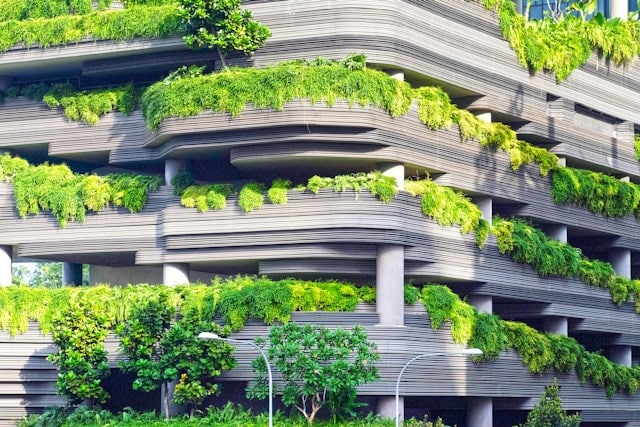
Modern building management technologies greatly support sustainable building practices. These systems help monitor and reduce energy consumption, manage water usage, and minimize waste. For example, smart lighting systems use sensors to adjust lighting based on occupancy and natural light levels, significantly reducing energy use. Green building certifications like LEED often require stringent energy and water management practices.
Building management systems that integrate with sustainable technologies can help achieve and maintain these certifications. For instance, rainwater harvesting systems monitored by these technologies can optimize water usage for landscaping, reducing reliance on municipal water supplies. Sustainable practices also extend to waste management, where smart systems track waste generation and disposal, promoting recycling and reducing landfill contributions. Buildings using these systems can set and achieve sustainability goals more effectively.
This benefits the planet, enhances the building’s reputation, and can attract eco-conscious tenants and buyers. Sustainable building practices lead to cost savings through reduced utility bills and lower maintenance costs, making them economically advantageous. Integrating these technologies ensures that buildings operate efficiently, conserving resources while providing a high-quality environment for occupants.
The focus on sustainability reflects a broader commitment to environmental responsibility and resource efficiency. Implementing sustainable practices through advanced building management systems helps meet regulatory requirements and industry standards. It also supports corporate social responsibility goals, enhancing the company’s public image. Sustainable buildings often enjoy higher property values and tenant retention rates, proving that green practices are good for the environment and for business.\
As technology evolves, sustainable building management systems will become more effective and accessible. Future advancements will likely bring even more innovative solutions for managing energy, water, and waste. Staying ahead of these trends ensures that buildings remain compliant with evolving standards and can leverage the latest technologies for maximum efficiency and sustainability.
Enhancing Occupant Comfort
Building management systems play a crucial role in enhancing occupant comfort by creating adaptable and responsive environments. These systems use sensors and data analytics to monitor and adjust real-time temperature, lighting, and air quality. For example, smart thermostats can learn occupants’ preferences and adjust heating and cooling systems accordingly, ensuring consistent comfort. Lighting systems that adjust based on natural light availability and occupancy help create a pleasant and energy-efficient environment.
These systems can also be programmed to follow circadian rhythms, promoting better sleep patterns and overall well-being. In office settings, personalized comfort controls allow employees to adjust their immediate environment, increasing satisfaction and productivity. Acoustic management is another area where these technologies enhance comfort. Sound masking systems can reduce background noise, creating a quieter and more focused environment in offices and other communal spaces.
This is particularly beneficial in open-plan offices where noise levels impact concentration and productivity. Integrating all these comfort-enhancing technologies into a unified building management system provides a seamless experience for occupants. Mobile apps and smart controls allow individuals to personalize their environment settings easily, creating a user-friendly and comfortable living or working space. This comprehensive approach to occupant comfort demonstrates the significant impact of modern building management technologies.
Ensuring occupant comfort also means addressing accessibility needs making spaces inclusive for everyone. Advanced systems can adjust settings to accommodate individuals with different needs, such as those with disabilities or sensitivities to certain environmental factors. This inclusive approach enhances comfort, ensures compliance with legal requirements, and promotes a positive community image. As technology advances, the potential for creating even more personalized and comfortable environments will continue to grow.