How to Create a Flexible and Adaptable Workplace with Technology
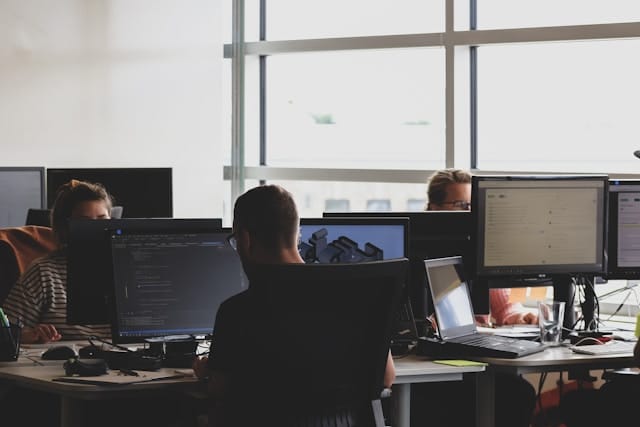

More and more businesses are increasingly recognizing the value of flexibility and adaptability in maintaining a competitive edge. Advances in technology play a pivotal role in enabling organizations to offer flexible work options. Thus, enhancing productivity, and responding swiftly to changing market conditions. However, creating a workplace that can evolve with the times requires the adoption of the right technologies and a shift in mindset and processes. In this article, you can discover more about creating a flexible and adaptable workplace using technology.
-
Embrace Cloud-Based Tools for Seamless Accessibility
One of the key components of a flexible workplace is ensuring that employees can access the tools, information, and resources they need, no matter where they are. Cloud-based tools have become the foundation for this. They offer the flexibility for employees to work from home, on the go, or from different locations around the world without disruption.
To create a truly adaptable workplace, businesses should invest in cloud-based software that is scalable. Furthermore, it should integrate with their existing systems by experts such as the Portland IT support team. This way, as the organization grows or changes, the technology can adapt accordingly without major disruptions.
-
Leverage Communication and Collaboration Platforms
Effective communication and collaboration are crucial for building a flexible workplace. This is especially true when teams are distributed or working remotely. Collaboration platforms that combine everything you need in one place. Consider the ones created by Claromentis Ltd, that are indispensable for keeping employees connected and engaged.
These platforms enable real-time communication, video conferencing, and instant messaging. Thus, creating virtual spaces where employees can collaborate just as easily as if they were in the same room. They also integrate with other business tools, such as project management platforms and cloud storage systems. This allows for smoother workflows and improved coordination. A key to flexibility is ensuring that communication channels are open and accessible at all times. By fostering a culture of transparency and consistent communication through these digital tools, businesses can help employees stay aligned with company goals, even when they aren’t physically together.
-
Adopt Flexible Work Models with Remote Work Technologies
The rise of remote work technologies has made flexible work arrangements more feasible than ever. Businesses can now implement hybrid work models where employees split their time between working remotely and being in the office, offering the best of both worlds.
Technologies like VPNs (Virtual Private Networks), remote desktop software (e.g., TeamViewer, AnyDesk), and secure cloud access allow employees to securely connect to company systems and work from anywhere. These solutions ensure that sensitive data remains protected while employees enjoy the freedom to work from different locations.
By offering flexible work options, businesses can improve work-life balance for employees, and increase job satisfaction. Furthermore, they can attract top talent from around the world. This adaptability enhances productivity while helping organizations stay resilient in the face of challenges such as pandemics, natural disasters, or other disruptions.
-
Implement Robust Cybersecurity Measures
As businesses embrace more remote work and cloud-based tools, cybersecurity becomes a critical factor in creating a flexible workplace. The more employees access company data from various devices and locations, the more vulnerable the organization becomes to cyber threats. To create a secure, adaptable workplace, businesses must invest in robust cybersecurity measures. Using multi-factor authentication (MFA), encryption, firewalls, and endpoint protection are vital. Additionally, Virtual Private Networks (VPNs) ensure employees can securely access company systems when working remotely.
-
Leverage Data-Driven Insights for Agility
Flexibility in the workplace also means being able to adapt to changing business conditions quickly. Data-driven decision-making enables businesses to stay agile by providing real-time insights into performance, customer behavior, and market trends.
Tools like Power BI, Tableau, and Google Analytics help organizations gather and analyze data from various sources. This gives leaders a clear picture of what’s working and what needs adjustment. By using data to guide decisions, businesses can respond to challenges and opportunities faster, whether it’s adjusting workflows, reallocating resources, or pivoting business strategies.
In an adaptable workplace, data analytics also empowers employees to make informed decisions on their own. This increases operational efficiency and fosters a more agile work environment.
Summary
Technology has revolutionized the modern workplace, enabling businesses to create flexible and adaptable environments where employees can thrive. From cloud-based tools and real-time communication to robust cybersecurity, the right technological solutions allow businesses to offer flexibility while maintaining productivity and security. If you invest in this, you can create a flexible workplace that also meets the challenges and opportunities of the future.