How The Medical Device Business Operates
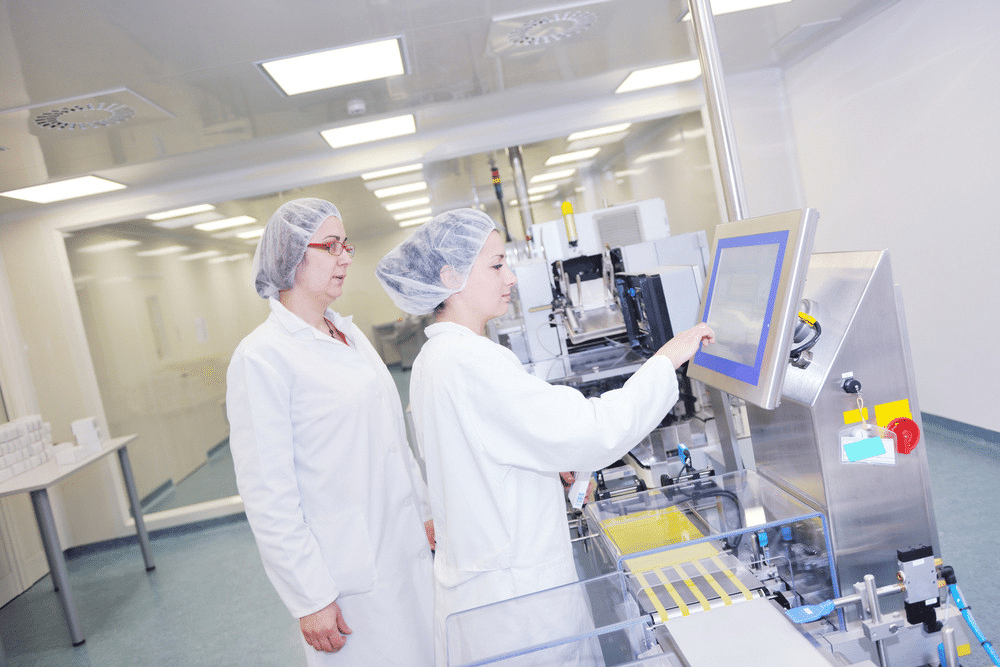
The medical device industry plays a pivotal role in modern healthcare by providing essential products that aid in the diagnosis, prevention, and treatment of diseases. As the industry evolves, understanding the operations behind it becomes crucial for stakeholders ranging from manufacturers to consumers. In this article, we will explore the inner workings of the medical device business, highlighting how various facets contribute to its overall functionality.
The Supply Chain of Medical Devices
The medical device supply chain is an intricate network that ensures the seamless delivery of products from manufacturers to end-users. One critical aspect of this supply chain is transportation, where goods must be kept in optimal conditions. A specialized refrigerated transporter, known as a “Cryogenic Reefer,” is used to move medical supplies requiring temperatures as low as -230 degrees Fahrenheit, ensuring their safety and efficacy.
The transportation segment is not solely reliant on advanced refrigeration; it also involves sophisticated tracking and monitoring technologies. These technologies provide real-time data on the location and status of shipments, minimizing the risk of loss or damage. Through these advancements, the medical device supply chain enhances reliability and maintains high standards of product quality.
Market Trends and Economic Impact
The economic landscape of the medical device industry is experiencing significant growth, fueled by increasing healthcare needs and innovations. According to Fortune Business Insights, the global market for medical devices is projected to expand to approximately $799 billion by 2030, indicating considerable business opportunities. This growth is driven by technological advancements and the rising prevalence of chronic diseases worldwide.
The expansion of the medical device market is also influenced by the aging global population, which demands more medical interventions and technologies. As life expectancy increases, so does the need for advanced medical devices that cater to age-related health conditions. Companies in the sector are continuously innovating to meet these evolving needs, thereby sustaining market momentum.
Investment in research and development within the medical device industry is paramount for fostering advancement and competitiveness. By allocating resources to R&D, companies can develop cutting-edge products that not only enhance patient care but also capture larger market shares. Forward-thinking businesses recognize the long-term benefits of innovation, driving the industry’s dynamic growth trajectory.
Regulation and Compliance
Regulation plays an essential role in ensuring the safety and effectiveness of medical devices. Compliance with stringent regulatory standards is mandatory for companies operating in this industry to prevent any potential harm to patients. These regulations encompass design, manufacturing, distribution, and post-market surveillance, forming a comprehensive regulatory framework.
Automation has become a key innovation in streamlining the medical device supply chain, significantly lowering operational expenses. By implementing automated systems, companies can achieve up to a 30% reduction in their operational costs, allowing for reinvestments in research and development. This shift towards automation enables businesses to improve efficiency and meet growing demands.
Regulatory frameworks are also subject to continuous updating in response to evolving healthcare needs and technological advancements. This adaptability ensures that regulations keep pace with scientific innovation and the changing landscape of healthcare delivery. Companies that proactively adapt to these regulatory changes can maintain a competitive edge and drive industry standards.
Conclusion
Understanding how the medical device business operates provides valuable insights into the industry’s complexity and significance. From supply chain management to market trends and regulatory compliance, each facet contributes to the business’s success. As the industry continues to grow and evolve, staying informed about its operations is essential for stakeholders aiming to thrive in this dynamic field.
By embracing technological innovations, navigating regulatory landscapes, and capitalizing on market opportunities, companies can ensure they remain competitive and responsive to healthcare needs. As the global demand for medical devices increases, businesses that strategically position themselves will be well-equipped to lead the industry into a promising future.
Finally, it is the commitment to excellence and continuous improvement that will drive the medical device business forward, ultimately benefiting patients and healthcare systems worldwide. Through collaboration and forward-thinking, the industry can continue to enhance lives through its invaluable contributions to medicine and healthcare.