Has AI Technology Changed the Motorsport Industry Forever?
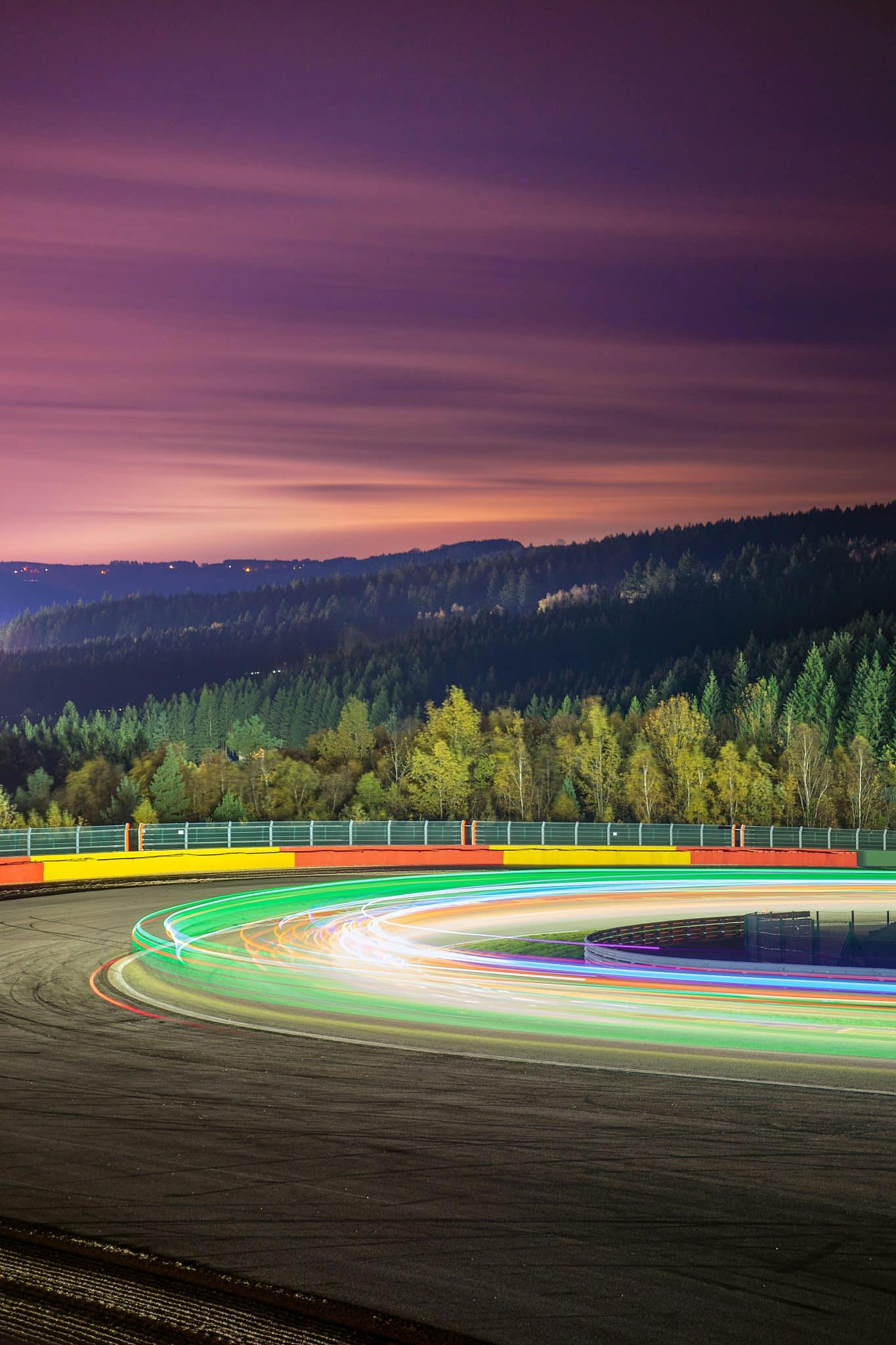
Motorsports have been part of global culture for quite some time now. According to historical accounts, car racing started just after the first automobiles became available. The same is true of motorcycle racing. Both are said to date back to the late 1800s. Though they weren’t necessarily officially organized events in the early days, they certainly drew crowds and helped car and bike brands make names for themselves.
Over time, numerous changes have come to the world of motorsports. New manufacturing techniques and materials have been developed to make vehicles lighter and more durable. Engineering and mechanics have evolved to make vehicles faster, more fuel efficient, and more responsive. Those are only a few of the general changes that have come to pass over the decades. From highly specialized race cars to vehicles that are available to the general public, like those available at karl malone powersports provo, new developments are constantly giving rise to interesting improvements.
Bringing AI Into the Mix
Over the last several years, artificial intelligence has made its way into multiple aspects of almost every industry, and the motorsport sector is no exception. Along the way, it has certainly changed the industry in many ways. Take a look at some of the areas in which AI is having the most significant impacts on motorsports.
Vehicle Design and Development
For one, artificial intelligence has revolutionized the field of vehicle design and development. It’s allowing designers and developers to create and test different aspects of vehicles long before actually putting them into practice. That, in turn, gives them opportunities to improve aerodynamics, performance, speed, efficiency, and other factors before even building prototypes.
At the same time, AI enables designers and developers to quickly make changes and predict how those alterations will affect the finished product. It also helps them to remain in compliance with regulations in the racing industry while they’re making those changes. Overall, AI makes the design and development stages faster, more efficient, and more cost-effective.
Driver Training
Another way AI has changed motorsports is through driver training. AI-powered simulators allow drivers to train in a safe environment before they actually take to the tracks and trails. These simulators put drivers up against different conditions and situations and help them learn how to properly react to them. AI systems can also monitor drivers during simulations and analyze their performance to identify areas where they need to improve.
Driver Safety
Artificial intelligence is also improving driver safety. Predictive analytics systems can identify potential safety hazards drivers may be up against while racing so they can properly prepare for them. AI can monitor drivers’ vital signs during practices and races as well. It can keep track of drivers’ body temperatures, heart rates, hydration levels, and other important factors. It can potentially aid in designing more effective safety harnesses and other equipment for racing vehicles too.
Developing Racing Strategies
Furthermore, AI can help with developing better racing strategies. Telemetry data from vehicles can be collected and analyzed to determine both driver and vehicle performance. This can lead to improvements in a variety of areas from managing fuel consumption and component wear to helping drivers improve their skills and response times. AI systems can be used to analyze competitors’ performance and find ways to improve upon them as well.
Taking Motorsports Into the Future
There’s no denying that the motorsport industry has evolved over time. Artificial intelligence is fostering that movement. It has changed the way vehicles are designed and built, how drivers are trained, and how teams hone their racing strategies among many other aspects. It’s set to take the industry into the future with many more changes to come.