From Lens To Sale: How Product Photography Drives Sales And Conversions
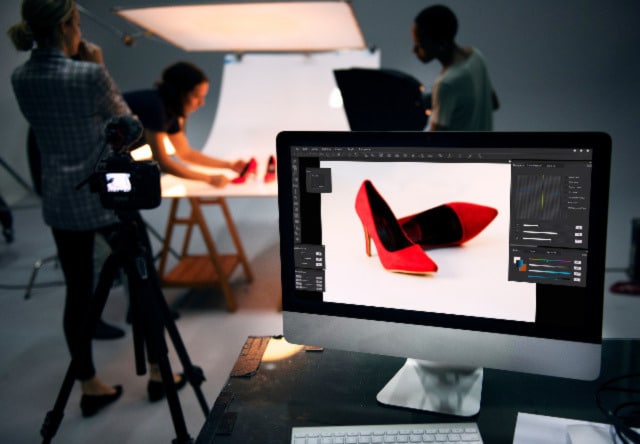
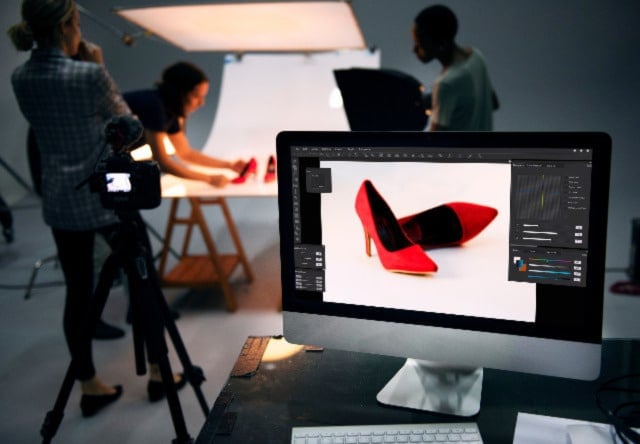
Attractive visuals have a substantial effect on humans. Well-composed, adequately lit, and aesthetically pleasing product images can capture the attention of potential markets. Image quality and presentation can influence a product’s value perception.
Professional and attractive product photography makes the items look more expensive and desirable. Also, they can look at the details of a product more closely. Consumers are more likely to buy a product if the images show its features, materials, and craftsmanship.
The detail in product images makes the buyer think the item is worth more. Most companies hire reliable product photography services, like Above& or similar ones, to suit their needs. And because most service providers use professional-grade cameras and apply styling techniques, they can present the products more objectively.
Let’s look at how product photography can boost sales and conversions.
-
Visual Appeal
Nowadays, most consumers prefer online shopping. A study found that 67% of online shoppers think high-quality pictures of products are ‘very important’ when deciding what to buy. In addition, 75% of the population chooses to buy a product based on its appearance.
For example, let’s examine an online store that sells clothes. Spending money on professional product photography can make the clothes communicate with the customers. By showing products that are appealing to the eye, the website can turn more visitors into buyers.
Meanwhile, market research shows that product images directly impact the credibility and trustworthiness of a brand. According to Shopify, 93% of customers say a product’s visual appeal is significant when purchasing. A high-resolution image that accurately captures the color, texture, and design specs can make a lasting impression on potential buyers.
-
Tap Curiosity
Product photography bridges the gap between online shopping and the product. When customers can see detailed images from various angles, up close, and in its natural setting, it helps them understand its features, size, and quality.
For example, let’s consider a furniture retailer. Customers can imagine how a piece of furniture will look in their homes if the images display it in different rooms. This way, consumers can visualize if the furniture’s style, size, and color will fit in with the rest of their home.
Meanwhile, these elements can add functionality to your product photography:
- The ability to zoom in on product pictures
- Emphasis on the small details
- Provides ideas of what the product looks like in real life
High-quality product images and detailed descriptions can help customers make informed purchasing decisions. Additionally, offering a clear return policy and responsive customer service can build trust and confidence. Investing in high-quality product imagery and informative content can increase sales and customer satisfaction.
-
Build Emotional Connection
Good product photography can establish a connection with your audience. Businesses can help customers imagine themselves using or benefiting from their products by using lifestyle elements, relevant settings, or relatable models. This emotional connection can make people want the product more, leading to a higher conversion rate.
Businesses can use social proof to increase conversion rates by displaying customer reviews, ratings, or testimonials on their website or social media pages.

-
Optimize Brand Identity
Consistency in product photography is vital to building a solid brand identity and fostering customer loyalty. Product photos aligning with the brand’s style, values, and messaging create a cohesive and professional image. This consistency reinforces the brand’s identity, making it memorable and likable.
For instance, your clothing line is known for its minimalist design. The brand maintains its reputation by releasing sleek, minimalist product photos that highlight the designs’ sophistication. Consistency in product photography, website aesthetics, and other marketing materials helps consumers immediately recognize and associate with the brand.
When product images match the brand’s style, values, and messages, customers feel that the brand is professional and put together. By prioritizing product photography, brands can create a memorable visual identity that resonates with their target audience.
-
Increase Social Media Engagement
When customers see exciting pictures of products, they’ll likely share them with their followers. It creates a ripple effect that makes the brand more visible and gets more people involved. Research shows that user-generated content, like shared images of products, can significantly affect how people act.
Customers are more likely to buy when they see their friends posting photos of a brand’s products. Think about a beauty brand that posts pictures of its new makeup line on Instagram. These pictures show the products’ interesting palettes, intricate details, and applications. Furthermore, people who like these visuals will share them, bringing more attention to the brand.
On the other hand, brands must engage with their followers and provide valuable content relevant to their interests. You can use product photography to increase brand visibility, website traffic, and conversions via social media posts, blog articles, and email newsletters. Thus, it’s a powerful marketing strategy to amplify your presence and engage with a broader audience.
Conclusion
Visual representation builds confidence and reduces the uncertainty associated with purchasing online.
Thus, investing in high-quality product photography is a valuable strategy for businesses looking to boost sales and conversions. Remember, a picture is worth a thousand words. In the world of marketing, it can be worth a thousand sales.