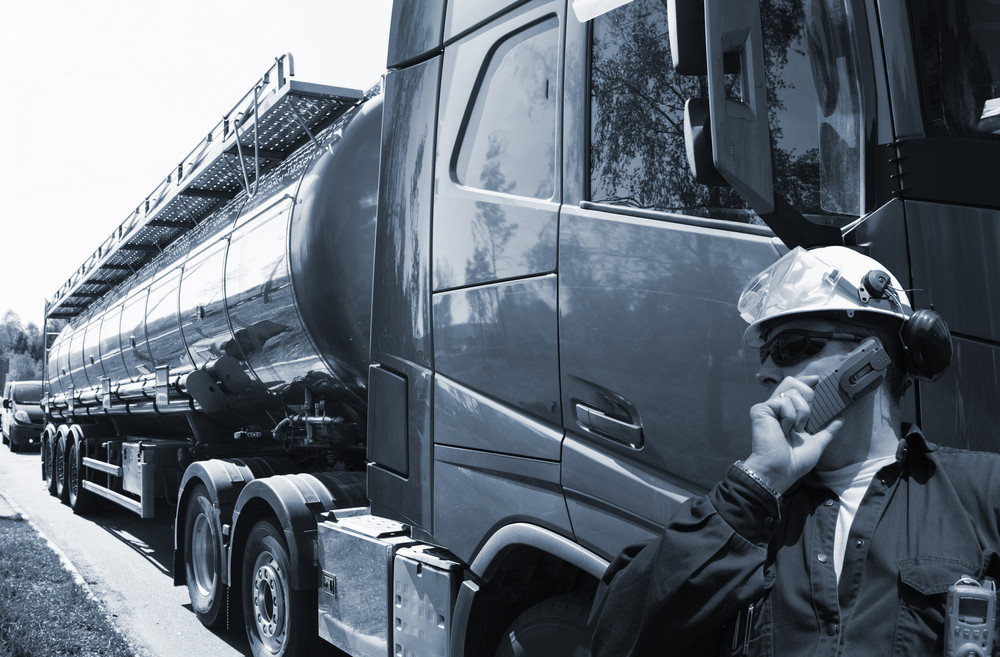
Do You Really Need Commercial Auto Insurance? A No-Nonsense Guide for Business Owners

Your business might be one fender-bender away from a major financial headache. Many small business owners use their vehicles daily without thinking twice. But here’s the hard truth: if you’re driving for work and relying on personal auto insurance, you might be dangerously exposed.
Personal policies often leave gaps that could put your vehicle, your business, and your bank account at risk. Let’s break down when you really need commercial auto insurance and how it protects your livelihood.
The Common Misconception
Many entrepreneurs assume their personal car insurance covers them, no matter where they’re headed. But most personal policies clearly exclude business use, and that can lead to denied claims when it matters most.
Imagine you’re delivering supplies, driving to a client site, or transporting tools in your work truck. If you’re involved in an accident during those activities, your insurer might refuse to pay. That’s a costly surprise few small business owners can afford.
Who Really Needs Commercial Auto Insurance?
You don’t need a massive fleet to justify commercial coverage. Even one vehicle used for work can expose your business to risk. Here’s who should seriously consider it:
- Delivery drivers (food, packages, products)
- Contractors and home service professionals
- Mobile businesses (cleaning, IT services, pet grooming)
- Consultants or freelancers visiting client locations
- Businesses with branded vehicles or employees driving for work
Bottom line: if your vehicle helps you earn a living, it’s time to think beyond personal coverage.
What Does Commercial Auto Insurance Actually Cover?
Commercial auto policies are designed to protect both your vehicle and your business operations. Typical coverage includes:
- Liability: Covers damage or injuries you cause to others
- Collision: Pays for damage to your vehicle from an accident
- Comprehensive: Protects against theft, vandalism, and weather damage
- Medical Payments: Covers injuries to you and your passengers
- Uninsured/Underinsured Motorist: Steps in if the other driver lacks proper coverage
- Optional Add-ons: Can include coverage for tools, equipment, or trailers stored in your vehicle
This coverage goes beyond basic repairs. It shields your business from lawsuits, financial losses, and major disruptions.
Commercial Auto Insurance Varies by State: What Business Owners Should Know
Insurance rules for business vehicles change depending on where you operate. Here’s a quick look at how requirements differ across several key states:
Arizona
Arizona requires minimum liability coverage for all vehicles, but unlike no-fault states, it does not mandate Personal Injury Protection (PIP). Business owners often choose higher coverage limits to avoid out-of-pocket costs after an accident, especially for service-based businesses that rely on their vehicles daily.
New York (Including NYC)
New York has strict insurance rules for commercial vehicles. In busy areas like New York City, higher liability limits are common, and specific requirements may apply to businesses operating delivery services or rideshare vehicles. Failing to meet these requirements could result in fines or denied claims.
California
California sets unique standards for businesses that use vehicles, particularly in industries like construction, delivery, or rideshare services. Contractors and mobile businesses often need additional coverage, and companies operating fleet vehicles may face higher minimum insurance requirements.
Other States
Laws vary widely across the U.S. Some states, like Florida or Michigan, have no-fault insurance requirements, while others focus on liability minimums. If your business crosses state lines or operates in multiple regions, it’s essential to review your policy to ensure full compliance everywhere you drive.
Real-World Scenario: The Cost of Skipping It
Picture this: You run a small pool cleaning business in Arizona. You use your personal truck for service calls. One day, there’s a minor collision — $15,000 in damages. Your personal insurer discovers you were using the truck for business and denies the claim.
Suddenly, you’re stuck covering the repairs, potential legal costs, and your vehicle is out of commission. That means lost income, frustrated customers, and mounting financial stress — all from an accident you thought you were insured for.
How to Avoid This:
- Make sure your policy includes proper commercial auto coverage, even if you only use one vehicle for business.
- Speak with a qualified insurance agent familiar with small business policies in your state.
- If you’ve already been involved in a vehicle accident while working, and insurance is giving you the runaround, contact a local car accident lawyer right away. Legal help can make the difference between being stuck with the bill or getting the full compensation you deserve.
How to Decide on Commercial Insurance: 3 Quick Questions to Ask Yourself
Not sure if commercial auto insurance applies to you? Ask yourself:
- Do I or my employees drive for work?
- Is my vehicle registered to or branded for my business?
- Could an accident while working hurt my finances?
If you answered yes to any of these, commercial coverage isn’t optional — it’s a smart investment.
Final Takeaway: Peace of Mind, Not Just Paperwork
Commercial auto insurance isn’t just more paperwork — it’s real protection for your business. Accidents happen. The question is, will your business be ready?
Covering your bases today can save you from financial disaster down the road.