Business Travel Is Back: How Employers Can Reduce Liability and Protect Employees
Dec 17, 2025

The New Landscape of Business Travel
Business travel today looks very different than it did a few years ago. Health-related concerns remain part of the equation, even as borders and offices stay open. Employees are also more aware of personal safety and expect employers to take those concerns seriously. At the same time, hybrid and remote teams are traveling more often for alignment, training, and relationship-building, sometimes with little recent experience on the road. As a result, employers now need to go beyond traditional travel policies and combine classic duty-of-care obligations with modern, proactive risk management practices that reflect how and why people travel today.Employer Duty of Care: What the Law Requires
When employees travel for work, an employer’s responsibility doesn’t pause. In the eyes of the law, sending someone on a business trip means taking reasonable steps to keep them safe, even when the work happens far from the office. That starts with clear, practical preparation. Employees should know what to expect, how to stay safe, and who to contact if something goes wrong. Employers also need to think ahead about obvious risks, such as transportation, accommodation standards, and local conditions at the destination. Problems usually arise when trips are treated as routine and risks are overlooked. Sending someone into an unsafe situation, failing to provide guidance, or ignoring known concerns can quickly lead to legal and reputational consequences. A thoughtful approach to duty of care protects both employees and the business.Common Risks Employees Face While Traveling
When employees travel for work, they are exposed to a range of predictable risks. Because the employer initiates the travel, these risks are part of the employer’s responsibility to anticipate and manage. Transportation accidents: Transportation-related incidents are the most common cause of business-travel injuries. Rental cars, rideshares, taxis, and airport shuttles all carry risk, especially in unfamiliar cities, different driving cultures, or after long and exhausting travel days. Hotel and accommodation hazards: Slips and falls, poor lighting, unsafe staircases, malfunctioning elevators, or inadequate security are frequent issues in hotels and short-term rentals. Even reputable accommodations can present hazards if safety standards are not carefully considered. Health emergencies: Illness outbreaks, food poisoning, dehydration, and travel-related fatigue can escalate quickly. In some locations, limited access to quality medical care, language barriers, or unfamiliar healthcare systems make even minor health issues more serious. Security risks: Business travelers may face theft, assault, or exposure to unsafe urban areas. International travel can also introduce political instability, civil unrest, or heightened security concerns that require advance planning and situational awareness. When an employer initiates the travel, they assume responsibility to take reasonable steps to reduce these foreseeable risks. Proper planning, guidance, and support are essential to protecting employees and limiting legal exposure.Key Strategies to Reduce Employer Liability
Reducing liability starts long before an employee boards a plane. A thoughtful, structured approach to business travel helps prevent incidents, protects employees, and demonstrates that the employer took reasonable steps to manage risk. Establish a comprehensive travel policy: A well-defined travel policy sets clear expectations and removes uncertainty for employees. It should outline approved transportation methods, lodging standards, booking and reimbursement rules, and approval workflows. The policy should also include emergency procedures, escalation paths, and a list of vetted vendors so employees know exactly what to do and who to rely on if something goes wrong. Conduct destination risk assessments: Every destination carries its own set of risks. Before approving travel, employers should review factors such as local crime levels, weather conditions, political stability, public health concerns, and access to medical care. This is especially important for international trips or locations employees have never visited. Identifying risks in advance allows employers to adjust travel plans or provide targeted guidance. Vet transportation providers and lodging: Not all airlines, hotels, and transportation services meet the same safety standards. Employers should work only with reputable providers that have a strong safety record and reliable security practices. Accommodations with poor maintenance, inadequate security, or a history of incidents should be avoided, even if they offer cost savings. Provide mandatory pre-travel safety training: Pre-travel preparation should go beyond logistics. Employees benefit from short, practical training that covers situational awareness, local laws and regulations, emergency response procedures, and cultural expectations. For international travel, understanding local customs and norms can help prevent misunderstandings that may escalate into safety or legal issues. Require strong communication protocols: Clear communication during travel is essential. Employers should establish expectations for regular check-ins, use travel-tracking tools where appropriate, and provide a reliable 24/7 internal emergency contact. These measures ensure employees can quickly get help and allow employers to respond promptly to incidents or changes in conditions.Technology as a Risk-Mitigation Tool
Modern technology plays an increasingly important role in keeping traveling employees safe. While it can’t replace sound policies or thoughtful planning, it gives employers better visibility, faster response times, and stronger control over travel-related risks. Travel-risk management platforms allow employers to assess destinations in advance, track employee itineraries, and centralize travel information in one place. These tools make it easier to identify potential issues before a trip begins and to act quickly if conditions change. Real-time alert systems provide timely updates on safety concerns such as severe weather, civil unrest, transportation disruptions, or health advisories. Employees receive relevant warnings while on the move, helping them avoid dangerous situations as they develop. GPS and itinerary tracking tools help employers know where employees are during business trips, which is critical during emergencies. This visibility allows faster check-ins, quicker assistance, and more informed decision-making when incidents occur. Digital medical assistance services offer remote access to healthcare guidance, virtual consultations, and support in navigating local medical systems. For employees traveling internationally or to unfamiliar locations, this can make a significant difference during health emergencies. Company-issued safety apps bring many of these capabilities together in one place, offering emergency contacts, check-in features, local guidance, and instant alerts. They give employees a clear, simple way to access support whenever they need it. Technology doesn’t replace duty of care, but it significantly strengthens an employer’s ability to meet it. Used correctly, these tools enhance compliance, improve response times, and help protect both employees and the organization.Insurance Coverage Employers Should Have in Place
Insurance is a critical backstop for business travel risks. While it doesn’t prevent incidents, it ensures both employees and employers are protected when something goes wrong. Before approving any trip, employers should confirm that the right coverage is in place.- Business travel accident insurance: This coverage applies to injuries, permanent disabilities, or death that occur during work-related travel. It provides financial protection for employees and their families and helps limit employer exposure in serious incidents.
- Workers’ compensation: Work-related injuries can still be covered even when they happen off-site or outside regular office hours, as long as the activity is part of approved business travel. Employers should clearly understand how their policy applies to travel scenarios.
- General liability insurance: General liability coverage protects the company if claims arise from alleged negligence, such as failure to provide safe travel arrangements or adequate guidance. It plays a key role in managing legal and financial risk.
- International travel health insurance: For international trips, this coverage is essential. It ensures employees can access quality medical care in countries where local healthcare systems may be limited, expensive, or difficult to navigate.
What Employers Should Do When an Employee Is Injured During Business Travel
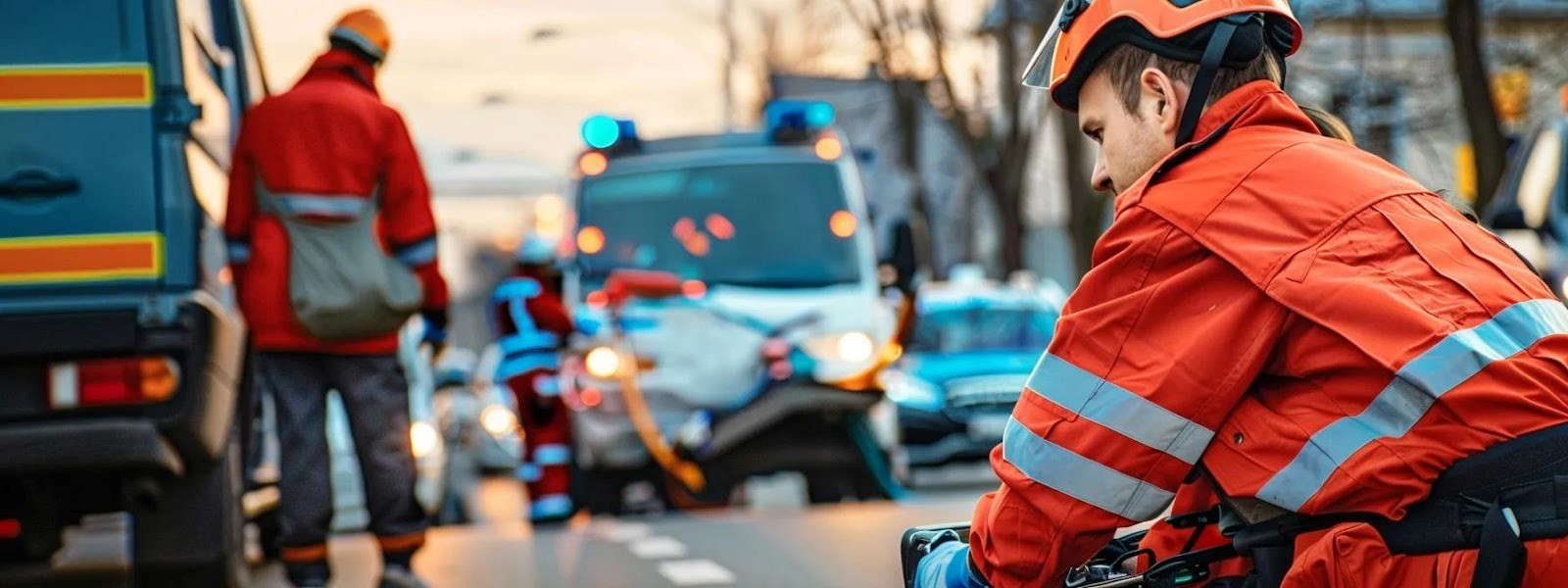
When an injury occurs during a business trip, employers need to act quickly and deliberately. A clear response process protects the employee’s well-being and helps limit legal, financial, and reputational risk for the company.-
Ensure the employee receives immediate medical care
-
Document the incident as soon as possible
-
Notify HR and insurance providers
-
Review whether employer negligence played a role
-
Support workers’ compensation and related claims
-
Provide follow-up care and return-to-work support
When Legal Counsel Becomes Necessary
Most travel-related incidents can be resolved internally, but some situations benefit from outside legal guidance, especially when responsibility or liability isn’t clear. Legal support is often appropriate in cases involving:- Severe or long-term injuries
- Disputes over whether the injury is work-related
- Accidents caused by third parties, such as rideshare drivers or hotels
- Claims alleging employer negligence or inadequate safety planning
- Injuries occurring across state lines or in other countries
Best Practices for Keeping Employees Safe on the Road
Employee safety during business travel depends on clear systems, not assumptions. A structured approach helps reduce risk while giving employees confidence that support is always available. Provide vetted transportation options: Whenever possible, guide employees toward approved airlines, hotels, and ground transportation providers. Vetted options reduce exposure to unsafe conditions and remove pressure on employees to make risk-based decisions on their own. Offer destination-specific safety briefings: Short, targeted briefings prepare employees for what to expect. These should cover local safety concerns, health considerations, transportation norms, and any cultural or legal factors that could affect their well-being while traveling. Establish mandatory check-in processes: Consistent check-ins help maintain visibility without being intrusive. Simple daily or arrival-based check-ins ensure employers can respond quickly if plans change or an incident occurs. Maintain updated emergency contact information: Emergency contacts should be current, accessible, and clearly communicated. Employees must know exactly who to reach at any hour, and employers should be able to contact travelers immediately if needed. Encourage immediate reporting of unsafe conditions: Create a clear, judgment-free process for reporting safety concerns. Early reports about unsafe hotels, transportation, or environments allow employers to intervene before issues escalate. Support mental health and travel-related wellness: Frequent travel can take a toll over time. Offering wellness resources, flexibility, and mental health support helps prevent burnout and reinforces that employee safety includes both physical and emotional well-being.Building a Culture of Safety and Accountability
Travel safety works best when it’s part of the company culture, not just a written policy. Employers that treat safety as a shared responsibility see fewer incidents and better compliance. A strong safety culture is built by:- Encouraging transparent reporting of risks, near misses, and concerns without fear of blame
- Recognizing and reinforcing safety-conscious behavior during business travel
- Reviewing and updating travel policies at least once a year
- Involving HR, legal, and operations in travel-safety planning and decision-making
- Communicating openly about travel risks, expectations, and protections available to employees