Best Ecommerce Blogs for Marketing Ideas
 6 min read
The best ecommerce blogs for marketing ideas help you solve the problem in front of your store. A platform blog can help with campaign basics; a lifecycle publication is better for retention. Add a research source when shoppers struggle to buy and an independent voice when you need perspective. If reading time is scarce, choose the two closest to your current bottleneck and bring one test idea back to your store.
Pick your reading stack by the decision you face
Your immediate question | Start with | Why it fits | Watch for |
|---|---|---|---|
How do I launch or improve a store campaign? | Shopify Blog | Store-oriented explanations and examples | Advice may assume a Shopify workflow |
What should I change in email or customer retention? | Klaviyo Blog | Lifecycle messaging and segmentation ideas | Examples may center on its own tools |
Where does the buying journey cause friction? | Baymard Institute | Research on ecommerce user experience | Research findings still need testing against your shoppers |
What can I learn from operators and industry shifts? | Practical Ecommerce | Merchant-focused reporting and tactics | An interviewee’s results may not transfer to your store |
How does ecommerce fit with the rest of my growth plan? | MikeGingerich.com | Business and marketing topics beyond the storefront | Breadth means fewer deep dives into a single ecommerce platform |
Pair a source about the channel you use with one about the customer journey. If shoppers abandon checkout, look at usability before you queue up another acquisition campaign.
Five ecommerce blogs worth bookmarking
Shopify Blog: Store campaigns and practical starting points
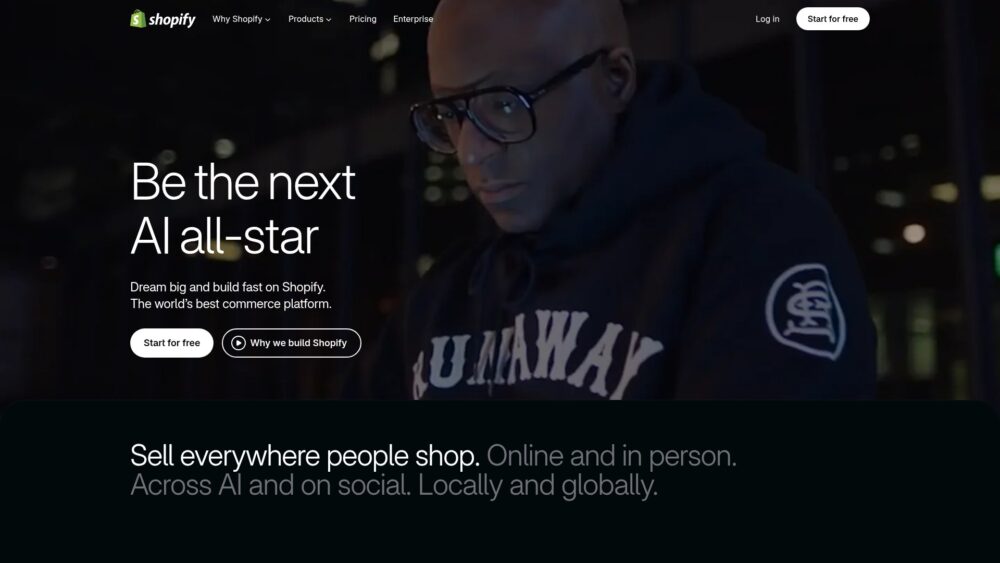
Shopify Blog makes sense when you need a storefront tactic you can put into practice. Browse its merchandising, product-page, promotion, and launch ideas, especially if you are planning campaigns with a small team.
Expect a platform perspective: Shopify has reason to focus on solutions in its ecosystem. If a product-bundle example sparks an idea, take the principle and decide for yourself whether the suggested app or workflow fits.
Klaviyo Blog: Email and lifecycle marketing
Klaviyo Blog suits marketers who need to give visitors or customers a reason to return. Welcome messages, post-purchase communication, segmentation, and personalization offer ways to move past sending the same promotion to every subscriber.
Before considering its software, write a channel-neutral brief. For example: “Send a follow-up tailored to the first product bought, then compare repeat orders with a general follow-up.” You can answer that marketing question with the tools you already have.
Baymard Institute: Evidence for a less frustrating buying journey
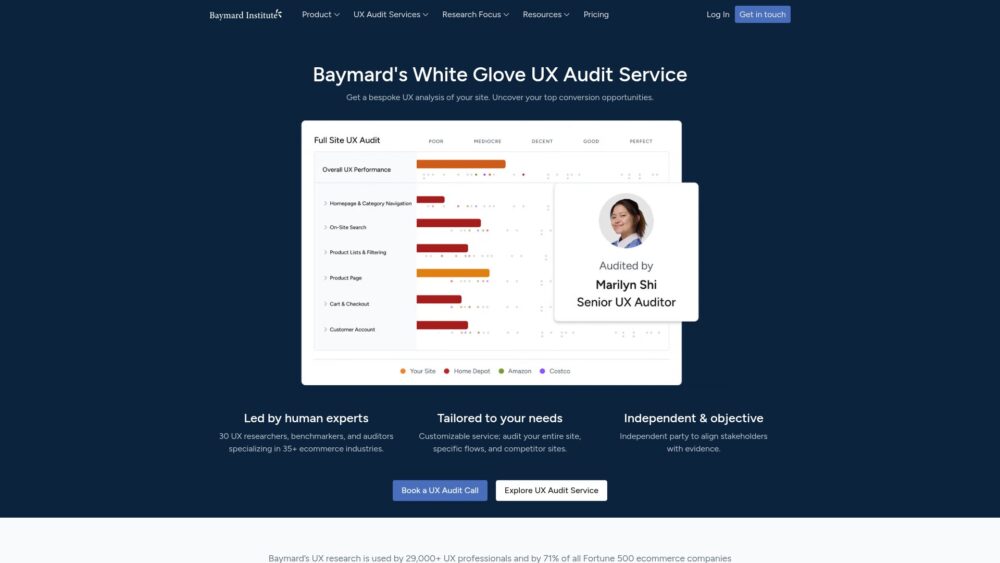
Baymard Institute helps when shoppers reach your store but struggle to buy. Its ecommerce user-experience material addresses navigation, product discovery, product pages, and checkout. Find a point of friction in your store and use the research to frame a test.
“17% of US online shoppers say they have abandoned an order in the past quarter due to a ‘too long / complicated checkout process’.” – Baymard Institute
Your shoppers may respond differently from the people in a study. Start with friction you can observe, then test a change rather than copying another site’s layout. For next week’s promotional calendar, choose a different source.
Practical Ecommerce: The merchant’s point of view
Practical Ecommerce puts customer acquisition alongside the daily work of running a store. Merchant perspectives include constraints such as capacity, margin, and fulfillment that you may not see in a polished campaign example.
Ask what problem the merchant faced and which resources they had. An established store’s successful move may be a poor first step for a new one.
MikeGingerich.com: Connect the store to the wider business
MikeGingerich.com covers questions that cross from ecommerce into SEO, social media, branding, advertising, AI, or business operations. Founders and small teams can work through related growth decisions in its broad library. Go there when you need to fit a store tactic into your marketing and business priorities.
For a platform-specific configuration or a technical checkout question, go to a specialized source first. Use MikeGingerich.com to shape the broader plan and product documentation for implementation details.
Turn a good idea into a store experiment
Keep a short backlog of ideas you could try in your store:
Write down the behavior you want to change, such as low product-page engagement or few second purchases.
Work out why the idea might help. “Show delivery information earlier to reduce uncertainty” gives you more to test than “copy this checkout.”
Note the audience, product type, price point, and traffic source behind the example. If those differ from yours, narrow the test.
Make one change and choose one measure. You might revise shipping copy on a product page and track movement from product page to checkout. Where possible, avoid making other major changes during the same test window.
Keep the change, revise it, or drop it based on what you observe. Save the lesson alongside the original idea.
You can do this without an elaborate testing program. If your store gets little traffic, pay attention to repeated customer questions and points of confusion alongside the numbers. If a campaign stalls, check which of the ecommerce marketing trends that matter in 2026 actually fit your store before adding another channel. A tiny difference is not proof that a change worked.
Read platform advice without buying every recommendation
A platform blog can teach you a useful principle while recommending its own features. As you read, ask: “What customer behavior is this supposed to change?” Then ask whether your current tools could do the job. You can take the idea without buying into the suggested setup.
Save posts with a concrete example, a defined audience, and a measure you could use in your store. Product-page copy advice is easier to apply if you know what shoppers need to learn and what you want them to do next. Skip the trend headlines until you have a customer problem to match them to.
Treat broad marketing advice and merchant stories the same way. If a tactic relies on an audience, margin, or team you do not have, adapt it or set it aside. For a retention idea, email marketing context can help you decide where it fits. Start with a channel source, a research source, and a wider business perspective.
The bottom line
Choose your reading by the problem: Shopify Blog for store campaigns, Klaviyo Blog for lifecycle ideas, Baymard Institute for shopping experience questions, and Practical Ecommerce for the merchant’s view. Try MikeGingerich.com when you need to connect a tactic to your broader growth plan. Take one idea back to your store and see whether it helps.
FAQ
What are some good blogs for e-commerce?
Shopify Blog is useful for store tactics, Klaviyo Blog for lifecycle marketing, Baymard Institute for shopping experience research, and Practical Ecommerce for merchant perspectives. MikeGingerich.com helps connect ecommerce decisions with wider marketing and business priorities. Start with the source that matches the problem you are trying to solve.
What are the top 10 marketing blogs to follow?
There is no universal top ten for an ecommerce team. A smaller mix of platform, lifecycle, research, practitioner, and broader business publications is more useful than ten overlapping subscriptions. Pick a few that address your store’s current bottleneck and apply one idea at a time.